
Last updated: 21 October 2026
By Tristan · Arts, exhibitions and creative culture
This is an opinion piece. Views expressed are the author's own and do not constitute professional advice.
Cool Factor: 2/5
Is Frieze London fizzling out? This Frieze London review comes from three visits during the fair's run. That is a lot of time to give an art fair. By my last visit I was sure of one thing. The most important room at Frieze London 2026 wasn't a stand at all. It was the Deutsche Bank lounge, where 30 fake volcanic boulders hung in hammocks over people drinking cocktails, under walls of Studio Lenca paintings I thought were terrible.
There is good work in the tent if you hunt for it, but most of it stretched the notion of contemporary, mainly having been made in the late 20th century and mostly by long-departed artists (Derek Jarman, and Helen Chadwick's Piss Flowers). But the fair is built around selling, lest we forget it's anything more than a big old conference.
What is Frieze London?
Frieze London is the contemporary half of Frieze's October week in The Regent's Park. It shows art made mostly since 2000. Its sister fair, Frieze Masters, covers everything older in a second tent across the park. This year Frieze London ran from 14 to 18 October 2026, with 172 galleries from 42 countries and regions.
The fair has sections. The main Galleries floor holds the big names, while Focus is for younger galleries and Editions sells prints. Artist-to-Artist gives seven solo stands to emerging artists chosen by established ones. New this year, The Code Universe is a curated section led by Carol Yinghua Lu.
The not-for-profits deserve a mention, especially Hospital Rooms, the charity that commissions art for NHS mental health wards. It launched Anish Kapoor's Glow (2023) at the fair, the last in its 10 Posters for 10 Years series, as a £100 A2 print on sale for ten days only, until 24 October.
Frieze talks a good game. Eva Langret, director of Frieze London, said before the fair: "At Frieze London, that range is also an argument for greater equity." After it closed, Frieze's own figures counted 95,000 visitors across both fairs and a long list of six-figure sales. The second set of numbers tells you more about what the week is for.
For tickets and times, our Frieze London 2026 guide has the full breakdown. This Frieze London review is about what was actually on the walls of the booths in the white tent.
The £150 preview and Poppy Jones
Thursday is the first public day, open from 1pm to 5pm, and a single-fair ticket cost £150. For that you see the art before the general public. You see it alongside the collectors who are there to buy it. We weren't quite important enough to get the big Wednesday preview.
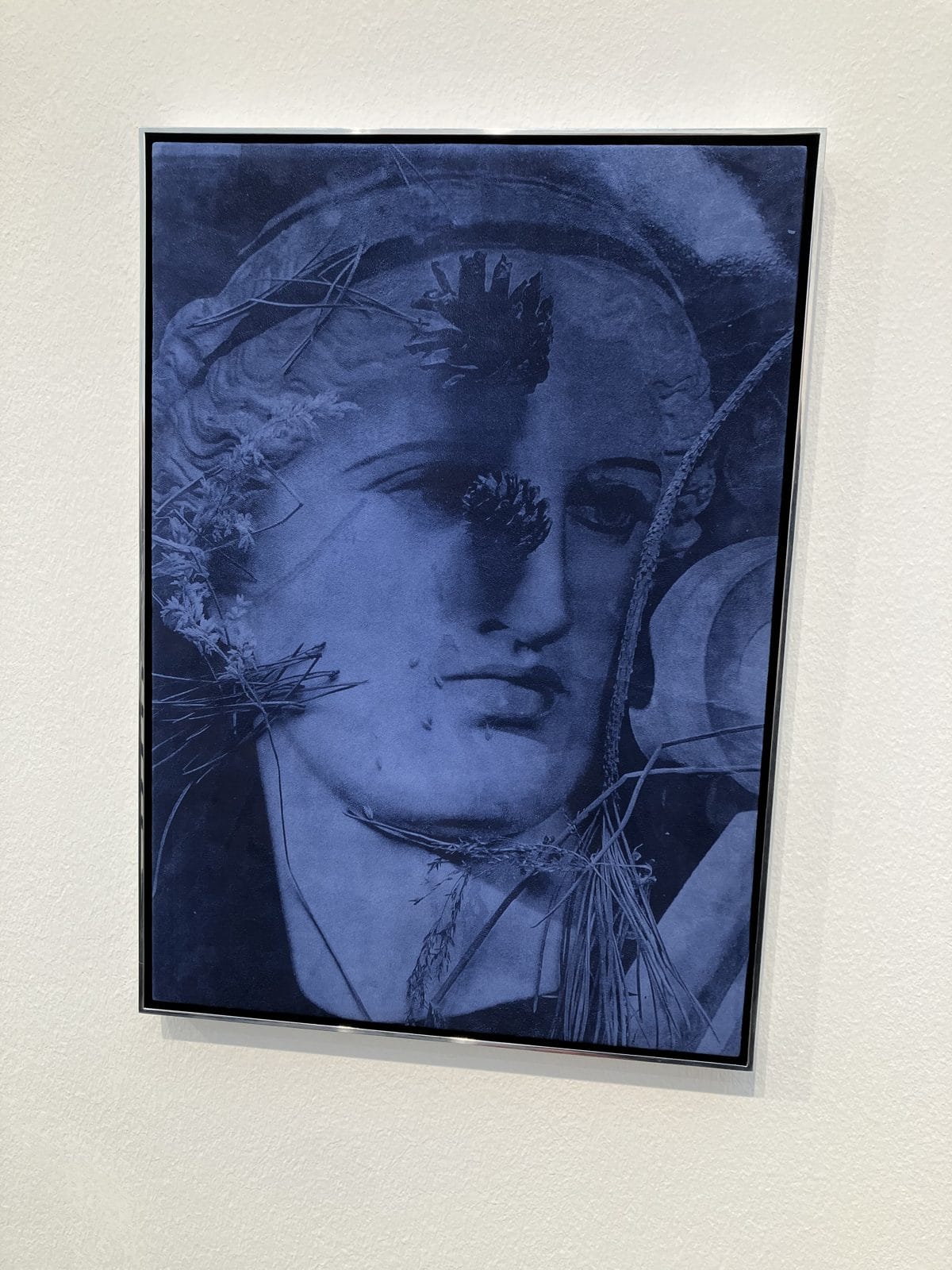
At Herald St, Poppy Jones's Statues Also Die (Man Ray) (2026) is a small classical head in blue, oil and watercolour on suede in a soldered aluminium frame, 42 by 30cm (16.5 by 11.8in). Small, detail-driven, but there is something robotic and mechanical about these paintings. I am confident the image is printed first and hand-touched later; ArtReview has reported that she develops her photographs onto fabric through a lithographic process. Yet the label here says only "oil and watercolour on suede". I don't know why this part of the process is veiled from the audience. Perhaps how closely the work sits in dialogue with fashion is a problem for Jones?
Catherine Goodman and Do Ho Suh
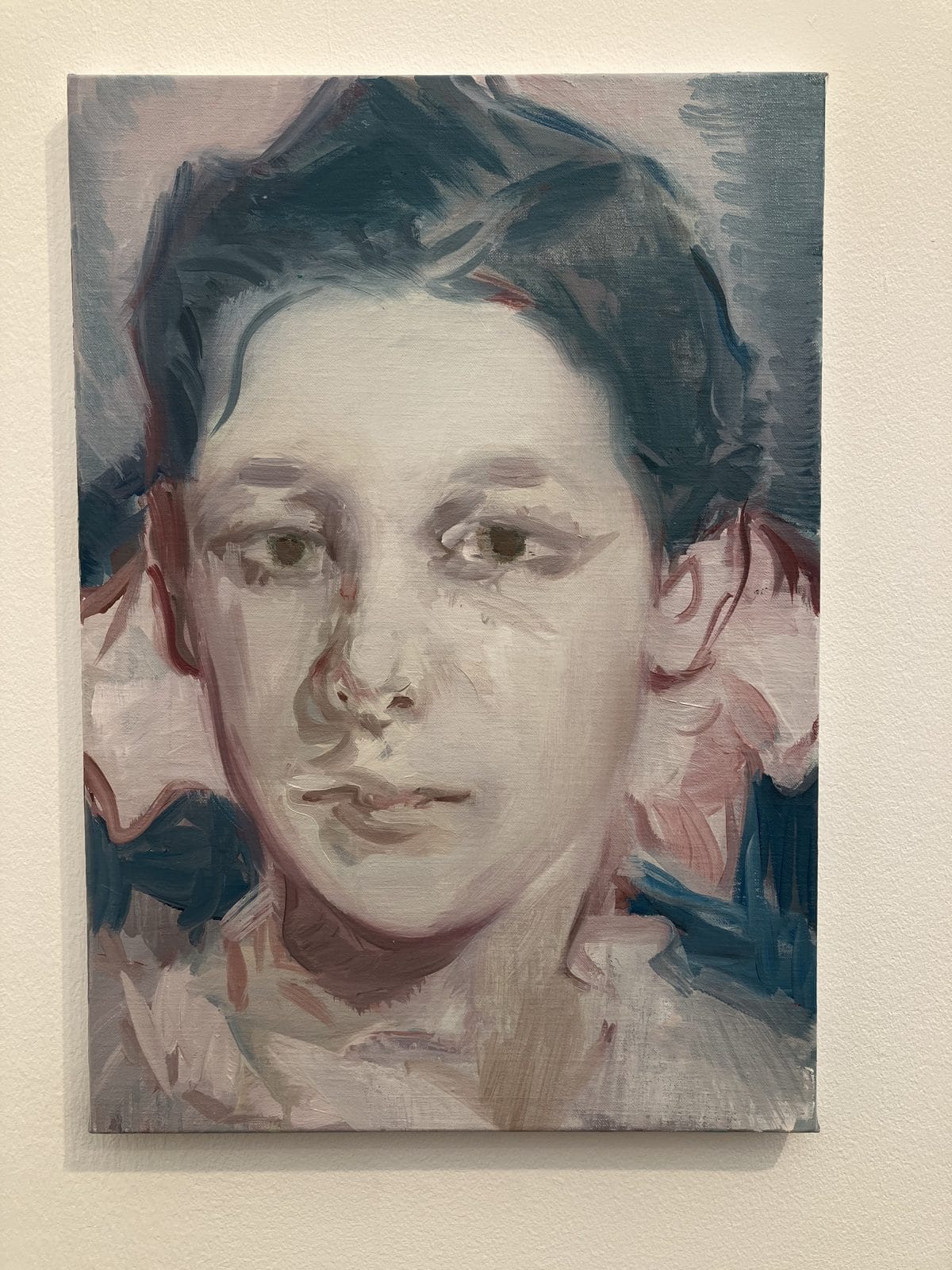
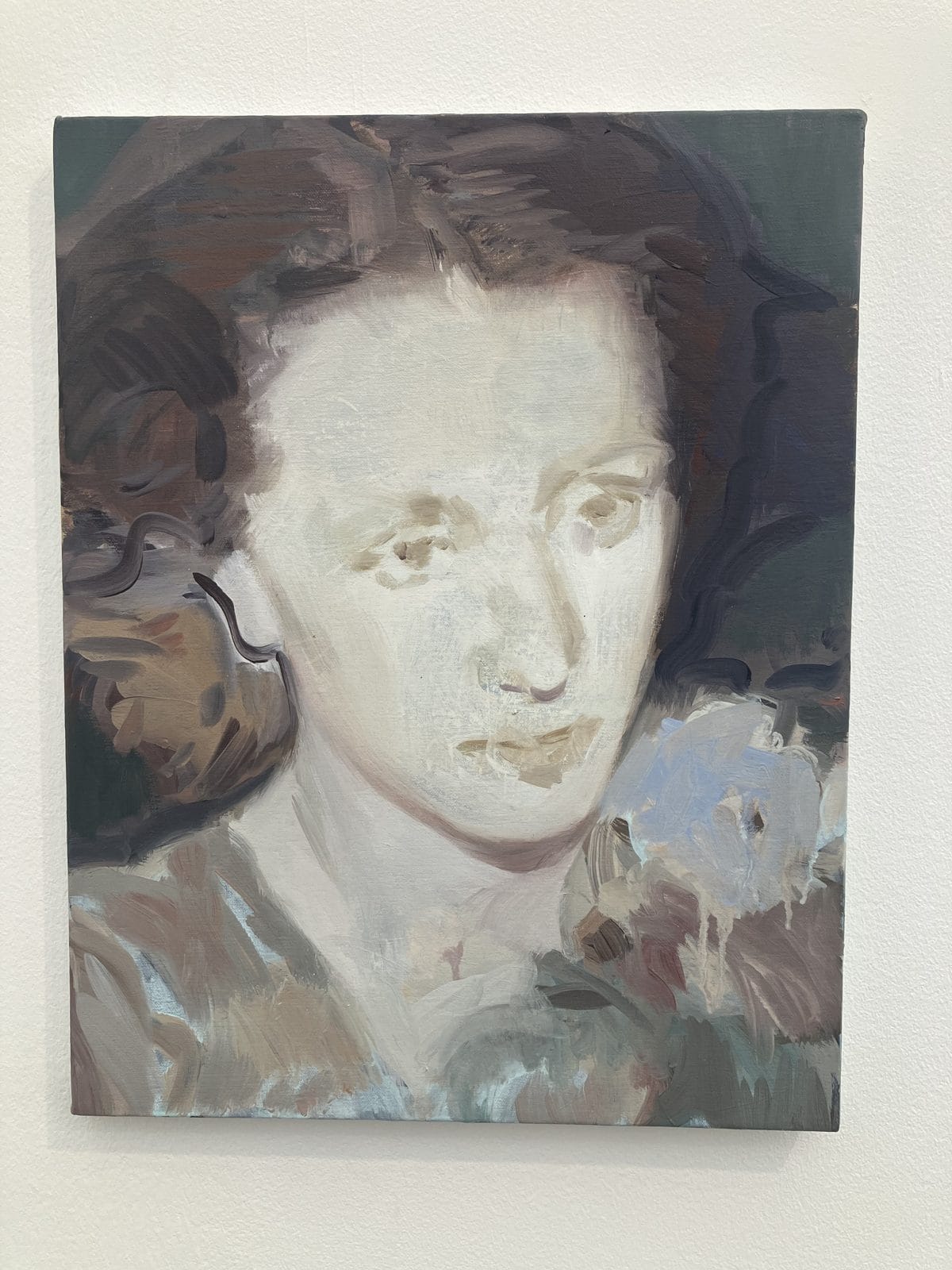
At Maureen Paley, Kaye Donachie's My Words Became Visible (2026), oil on linen, 51 by 36cm (20 by 14in), is a small portrait of a child. Two days later it had sold and been swapped for another Donachie, a woman with flowers at her shoulder, still hanging above the first painting's label.
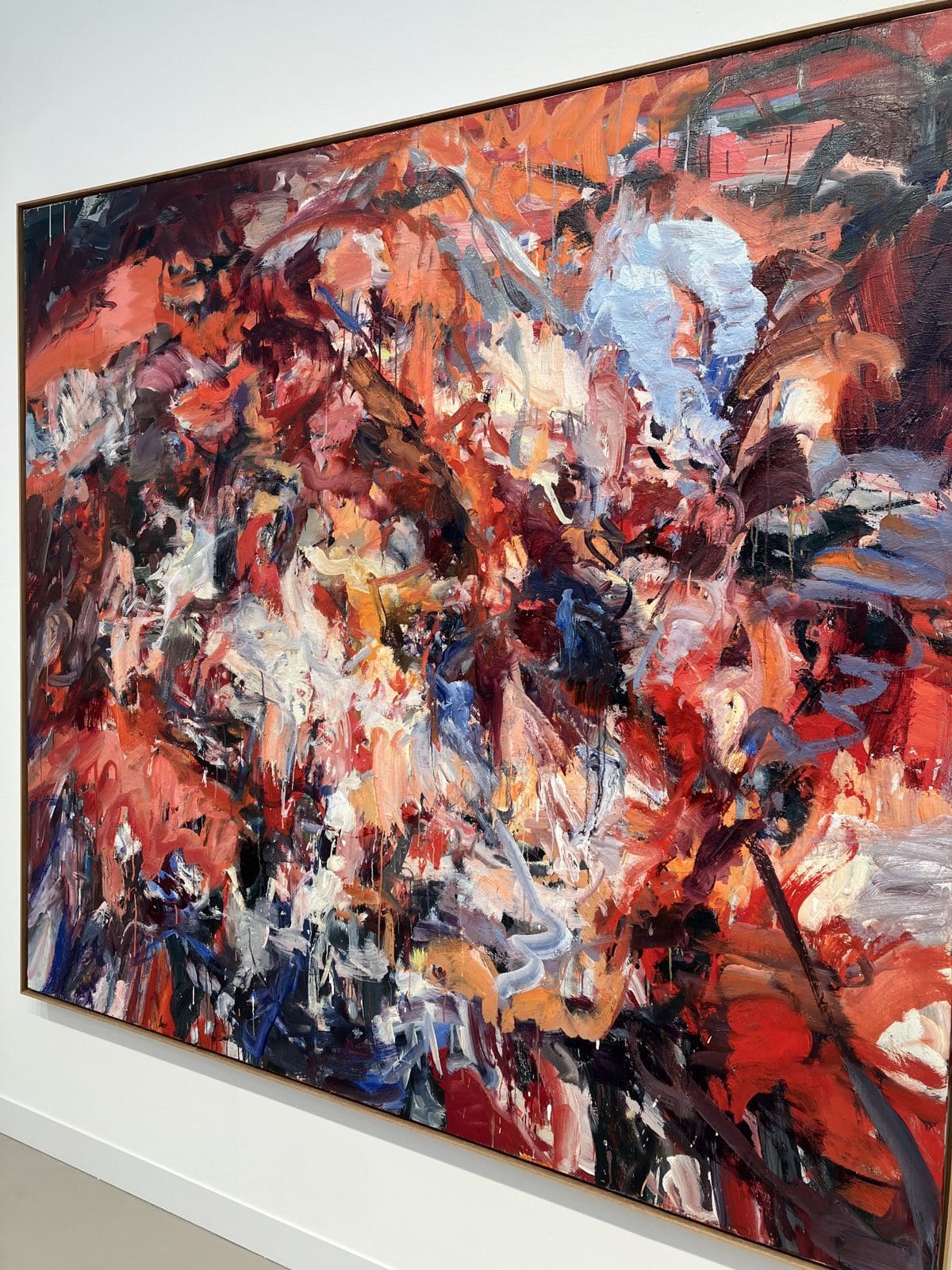
Then came Catherine Goodman's big abstract on the Hauser & Wirth booth. It is a churn of red, orange and violet strokes across a canvas taller than a person. It was the worst work I saw at the fair. This is Ab-Ex lite: the gestures of de Kooning and the colour of Joan Mitchell, without any of the risk that made either of them matter.
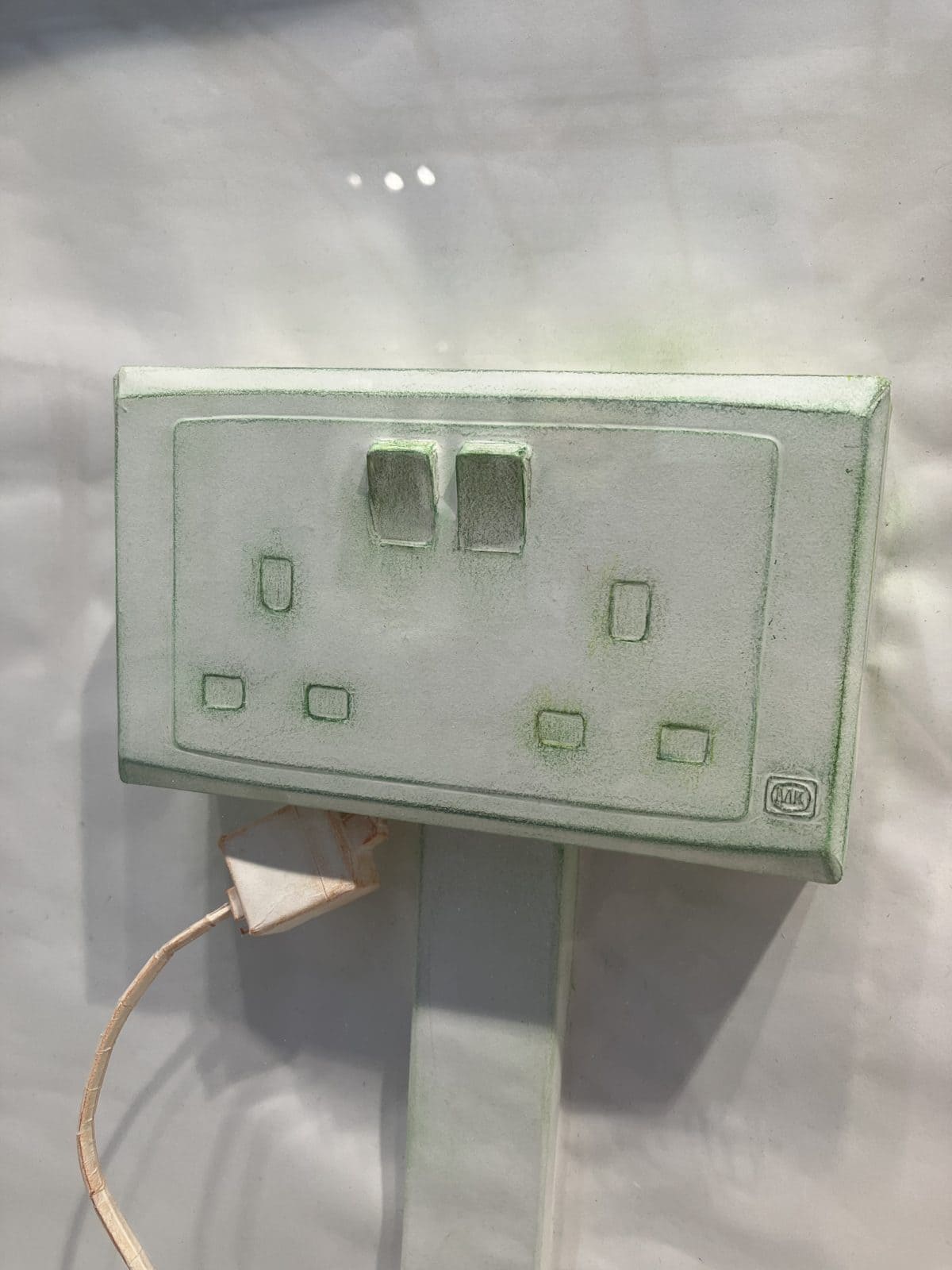
On STPI's stand, the Singapore print workshop showed Do Ho Suh's Rubbing/Loving works: pastel rubbings on paper of a toilet-roll holder, a plug socket and a light switch, each taken from STPI's own artist studios at 41 Robertson Quay. The titles are simply the studio addresses. The wall text says the series, running since 2013, translates "the physical architecture of his past homes into delicate, portable two-dimensional renderings." Tate Modern gave him Walk the House, his first major UK solo show in 20 years, from May to October 2025. There is simple elegance in these.
Condo, Savdie and the price of a hybrid
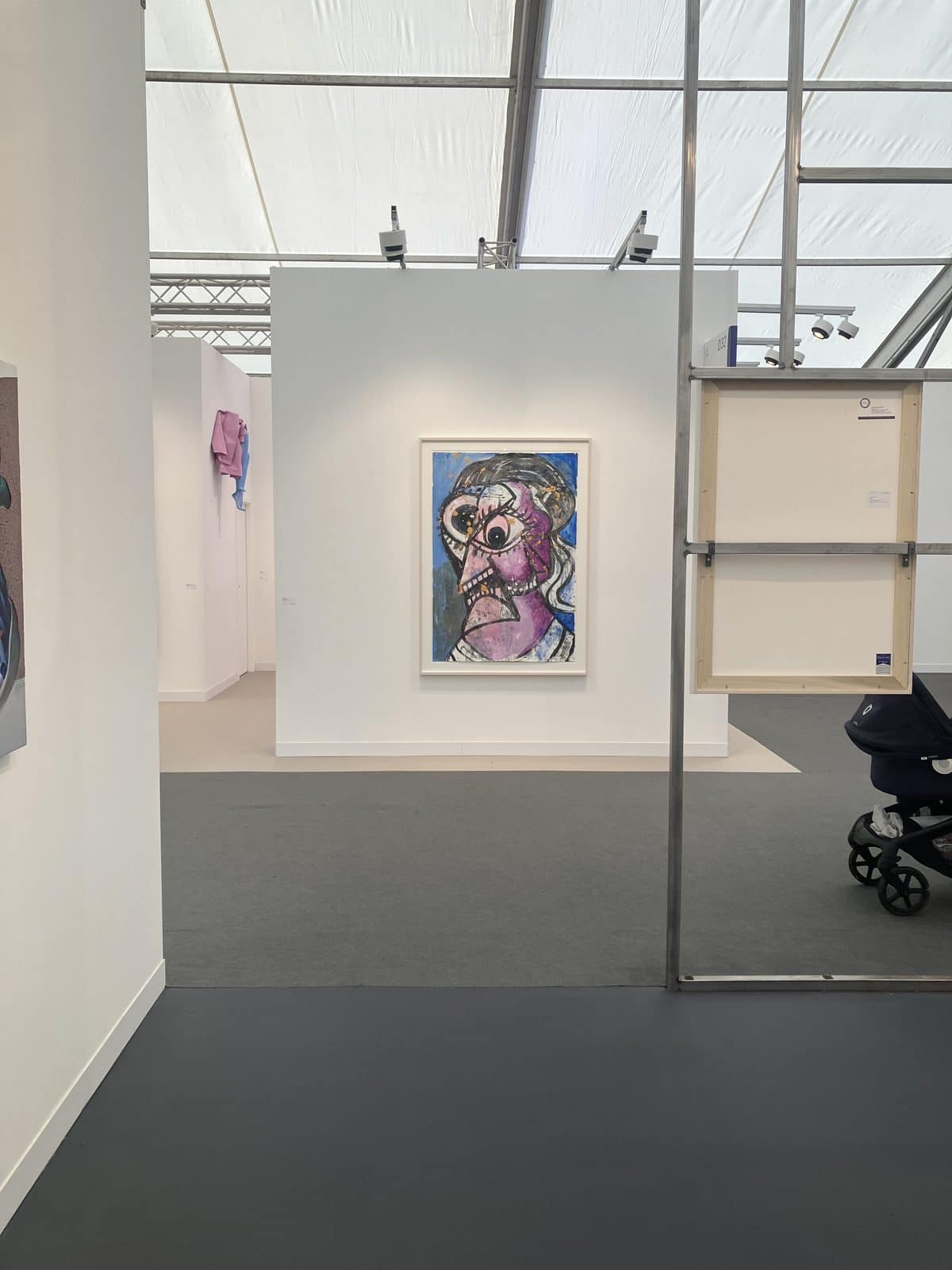
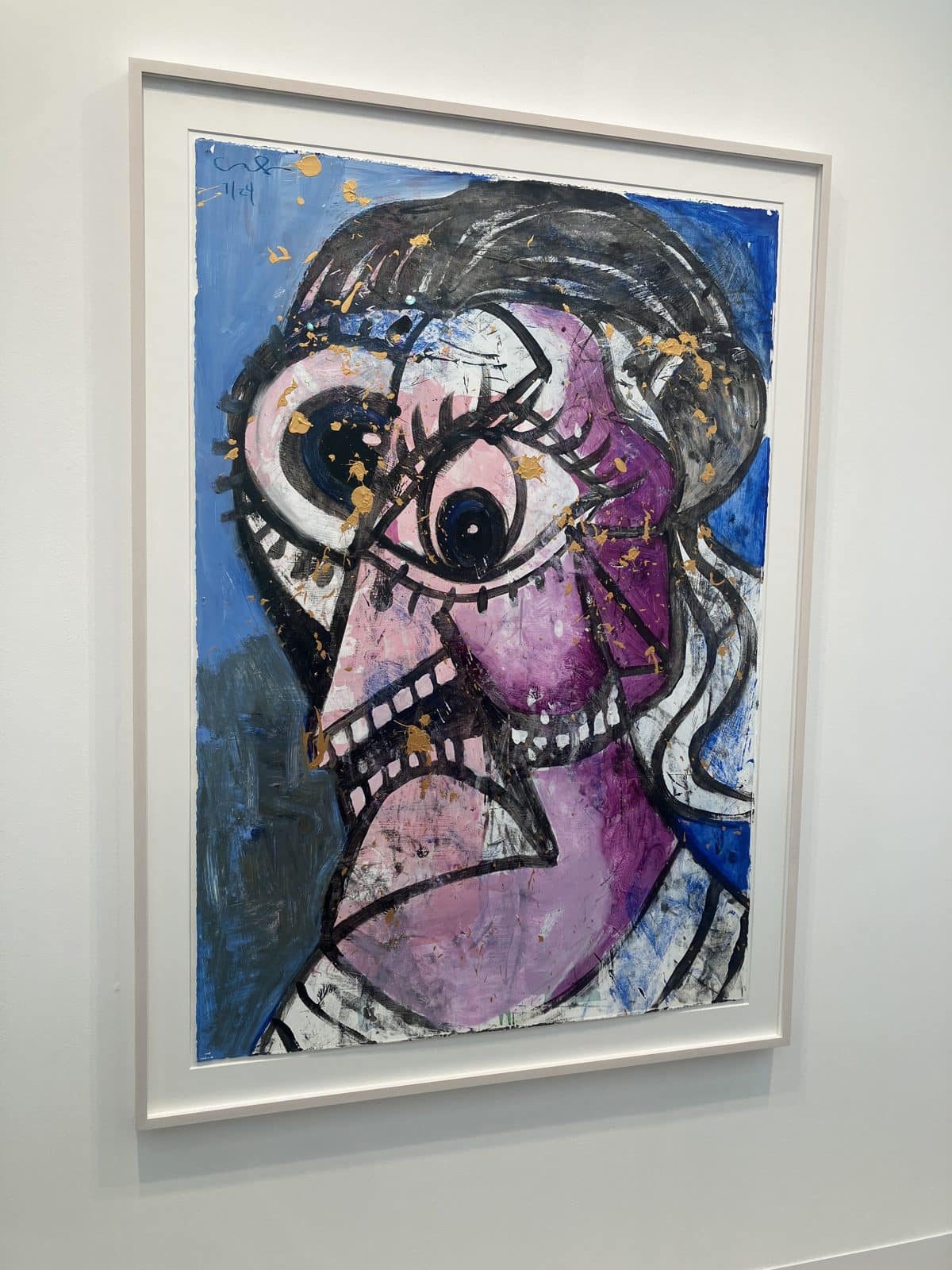
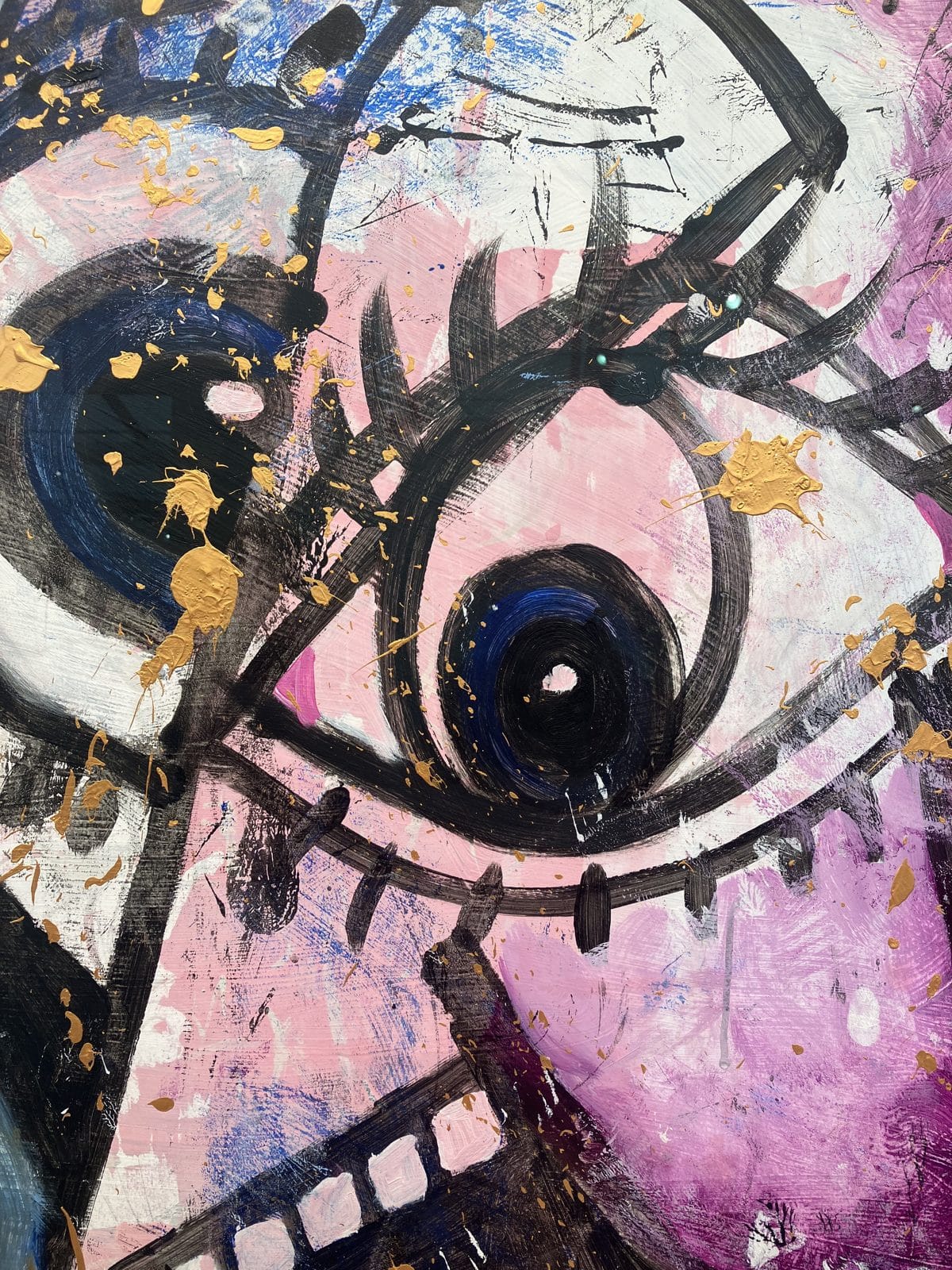

At Sprüth Magers, George Condo's American Insanity (2024) is acrylic on paper, 171.5 by 124.1cm (67.5 by 48.9in): a cubist head in pink and violet, with one huge eye, a jaw of square teeth and splashes of gold. Condo has been grinding Picasso into cartoon faces since the 1980s, and the market still pays for it. According to Frieze's own sales report, another Condo, Figure Composition (2026), sold at the fair for $600,000.
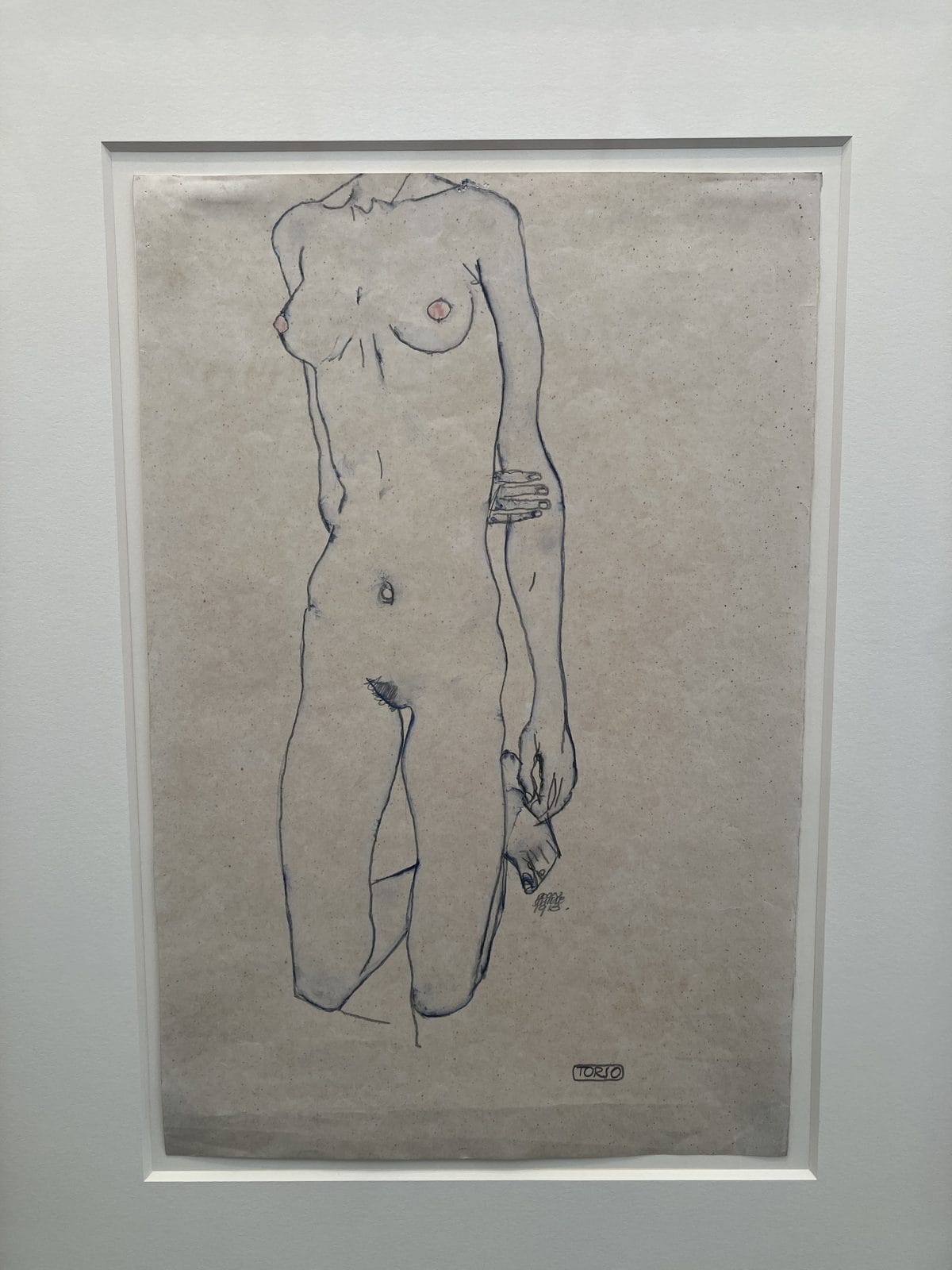
White Cube hung a row of Ilana Savdie's QUIMERA monotypes from 2024, each 42 by 34cm (16.5 by 13.4in). Savdie told Artsy: "The idea of a hybrid being is a huge part of the work." The gallery sold eleven of her works over the week. One, The Harbingers (2026), went to a museum for $325,000. They had lots of 20th-century drawings on the booth too, like Egon Schiele's nude female torso, alongside works by Hans Bellmer, Louise Bourgeois, Salvador Dalí, Willem de Kooning and Gustav Klimt.
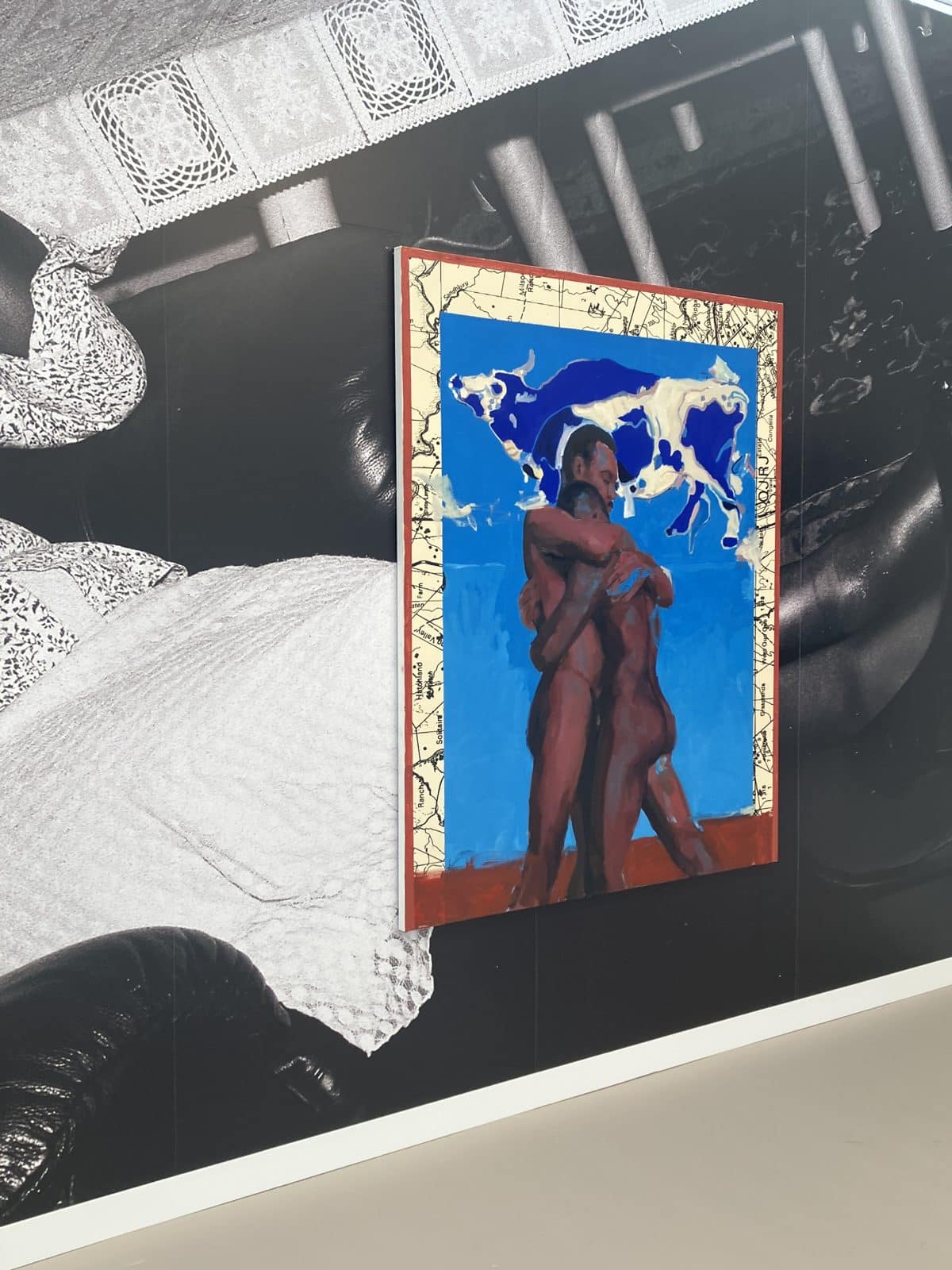
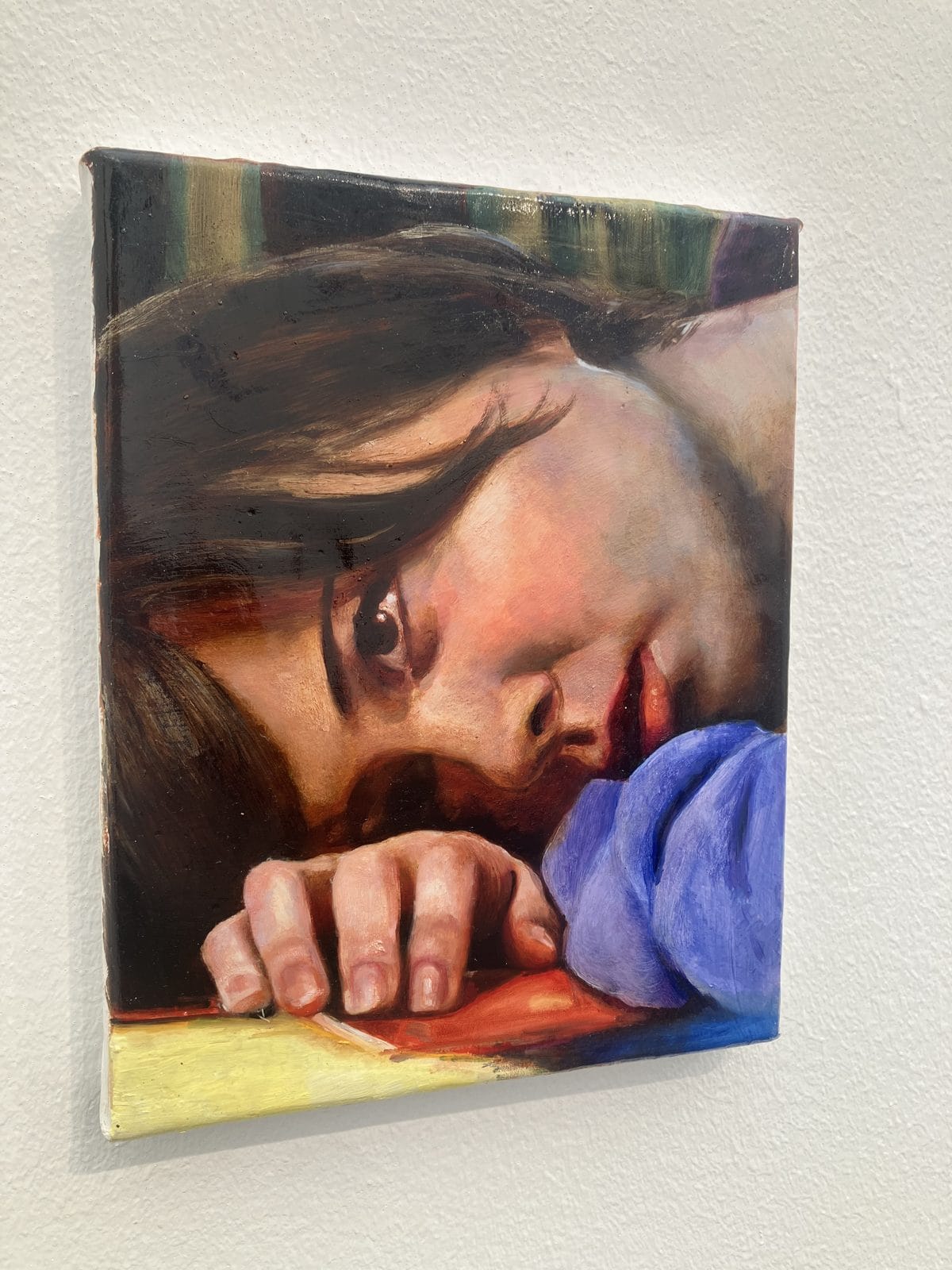
At Victoria Miro, Kudzanai-Violet Hwami's Scapegoat (2025) is oil and acrylic on linen, 205 by 122cm (80.75 by 48in). At blank, Annabelle Agbo Godeau's Action! (2026) is tiny by comparison, 24 by 18cm (9.4 by 7.1in): a girl resting her head on her arm.
The quieter stands: Jarman, Wilkes and Katz
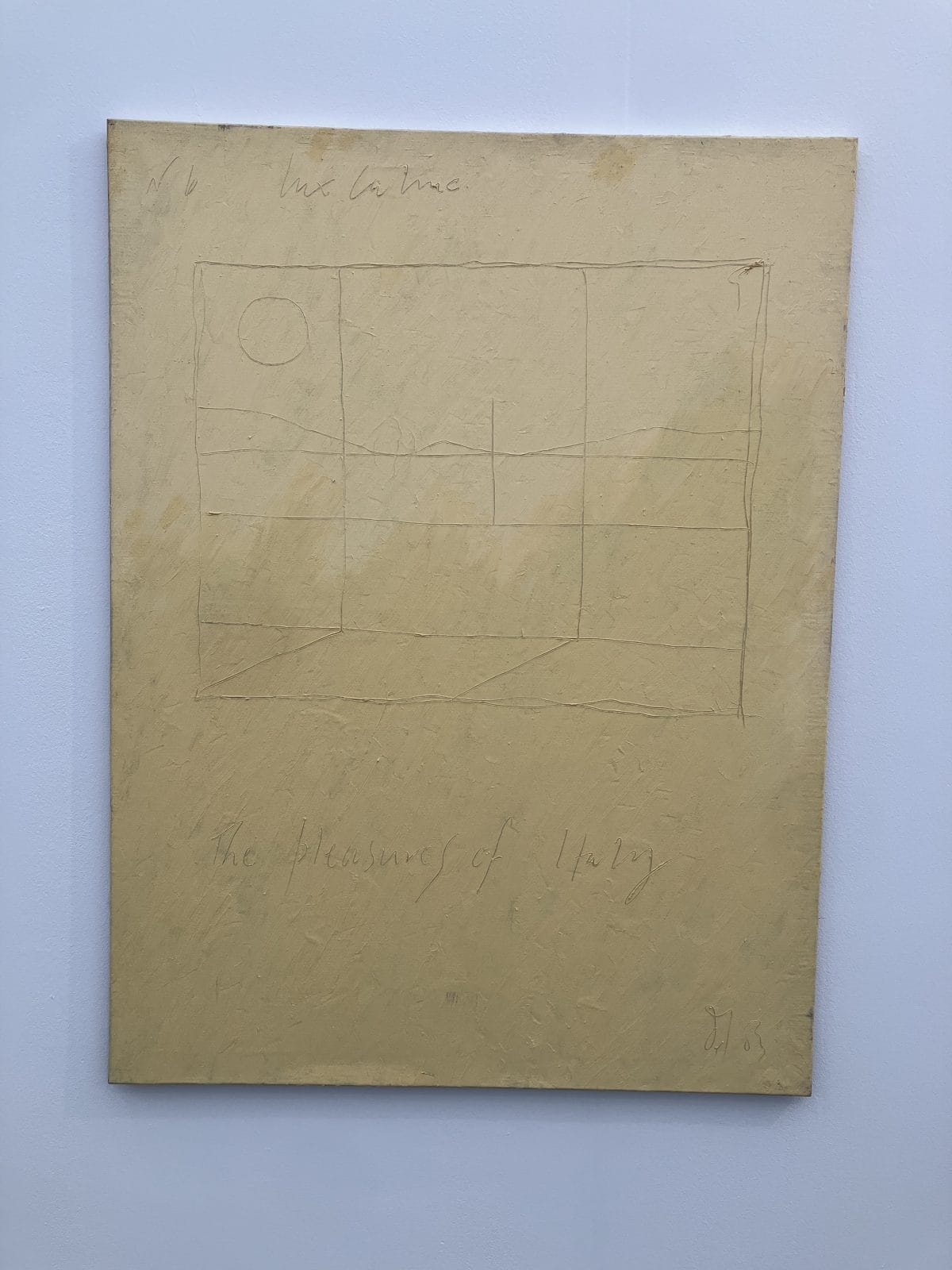
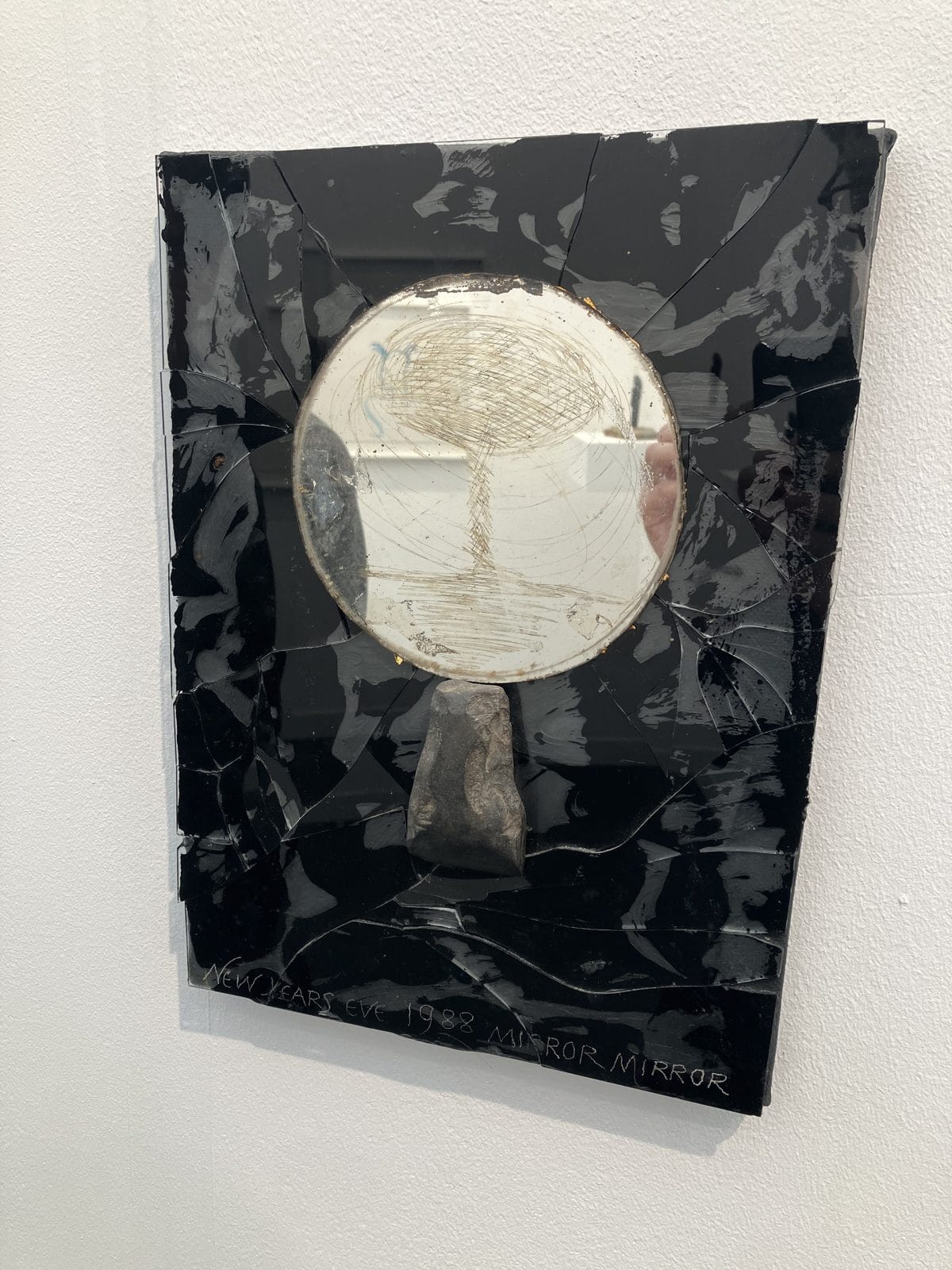
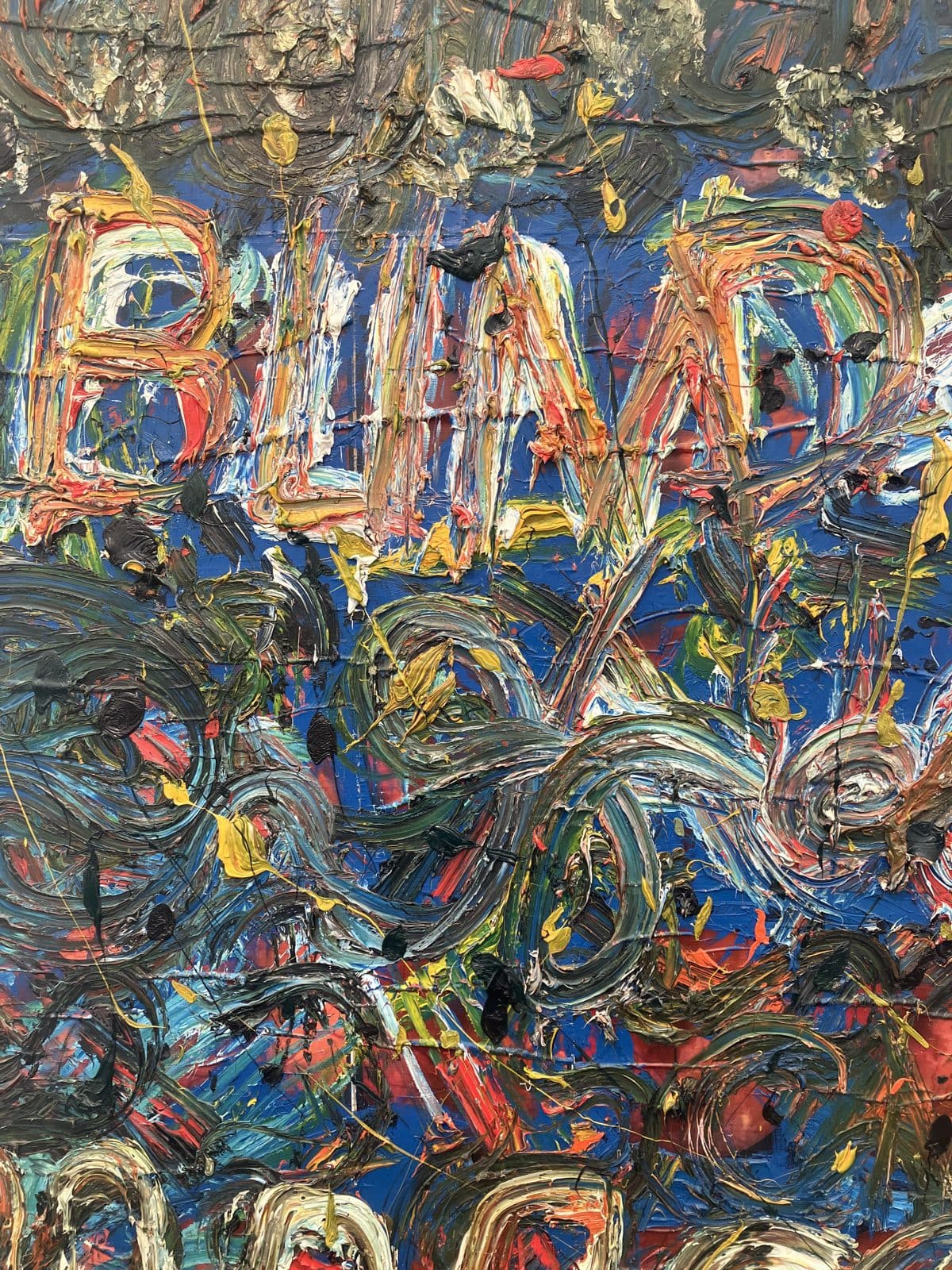
Amanda Wilkinson had three Derek Jarman paintings: The Pleasures of Italy (1983), a pale ground with a pencilled grid and its title scrawled across it, and Mirror Mirror (1988), black and glossy with a round mirror at its heart. Jarman made the second in 1988, two years after his HIV diagnosis. The third, from 1993, the year before he died, is a thick, messy crust of impasto with letters scratched into it.
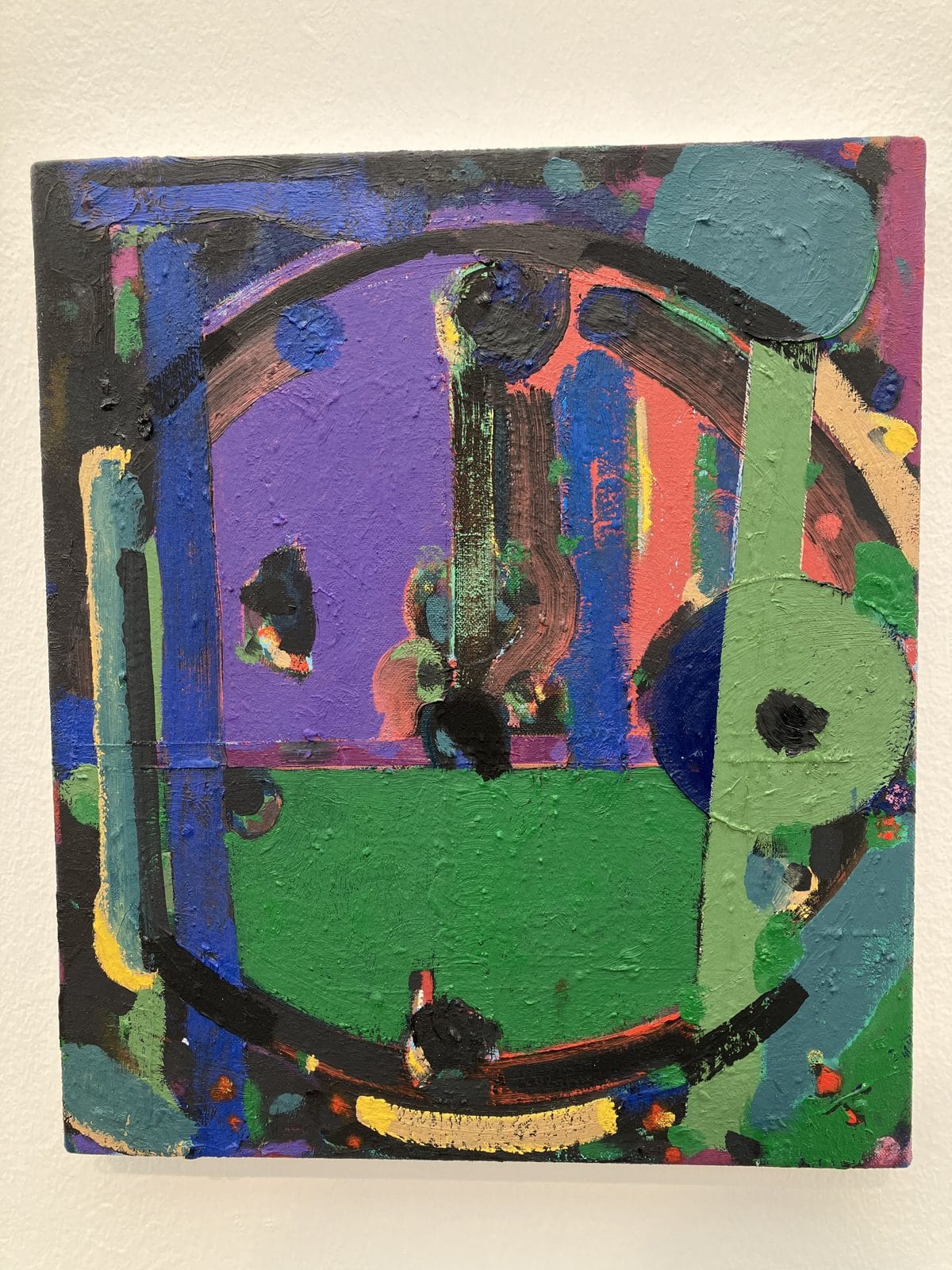
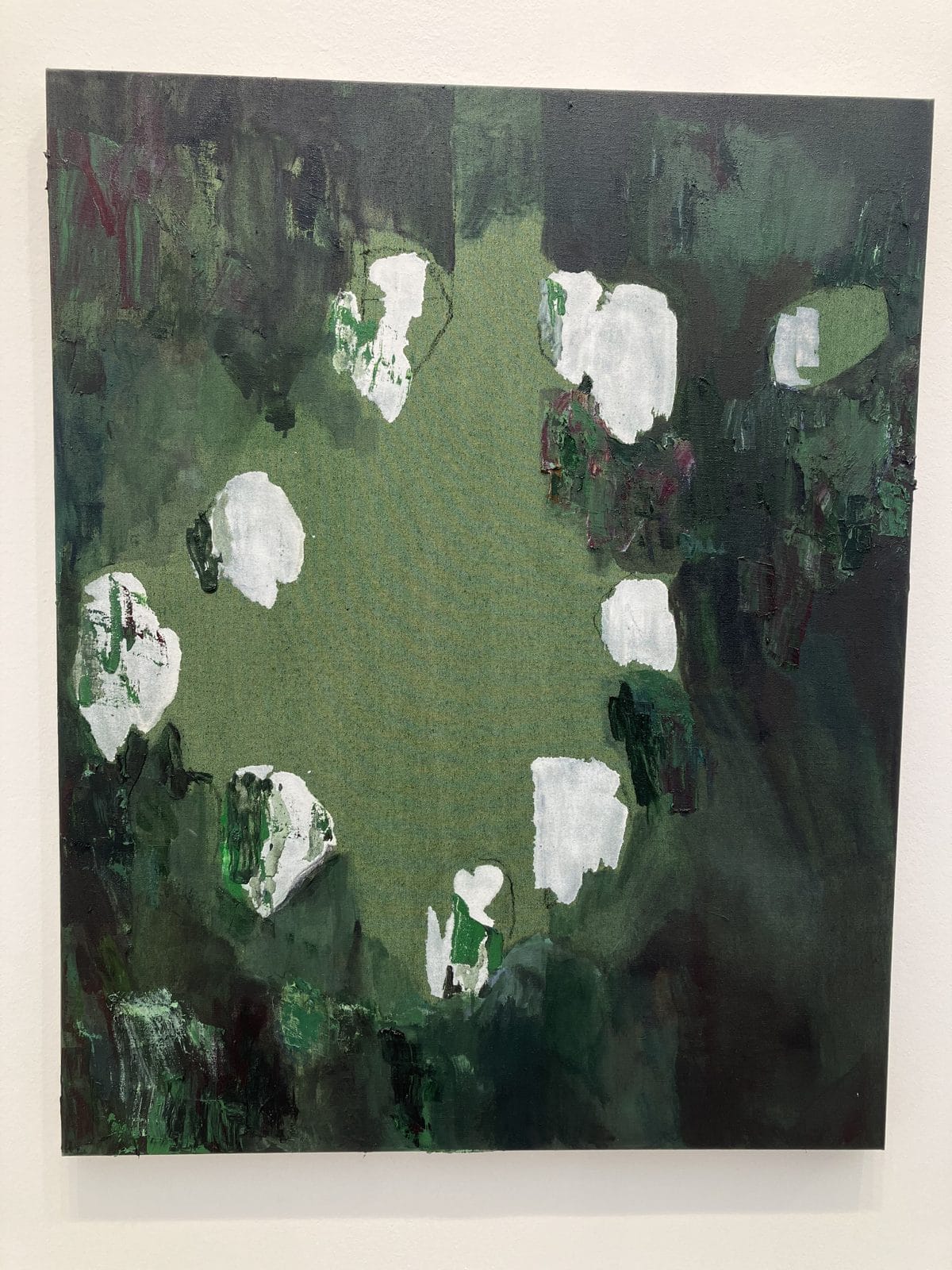
At The Modern Institute, Cathy Wilkes showed Come and visit me in a million years 5 (2026), a few dark-blue flower shapes in pigment and gum arabic on silk and linen. At Xavier Hufkens, a small Matt Connors, Untitled (2023), packs greens and violets around a dark circle. At Modern Art, Francesca Mollett's two 2026 paintings, Rood and Not Roses, were crap too.
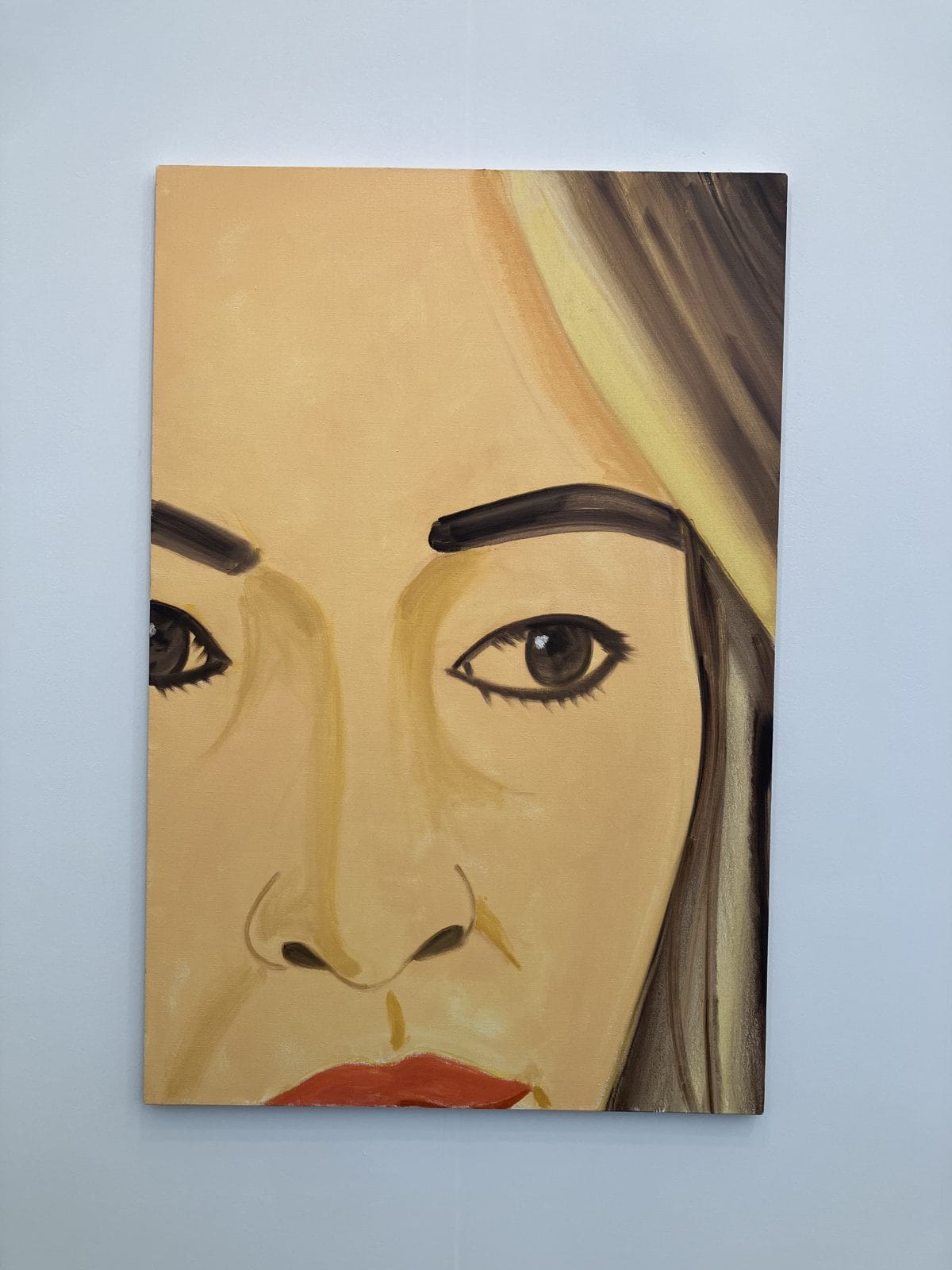
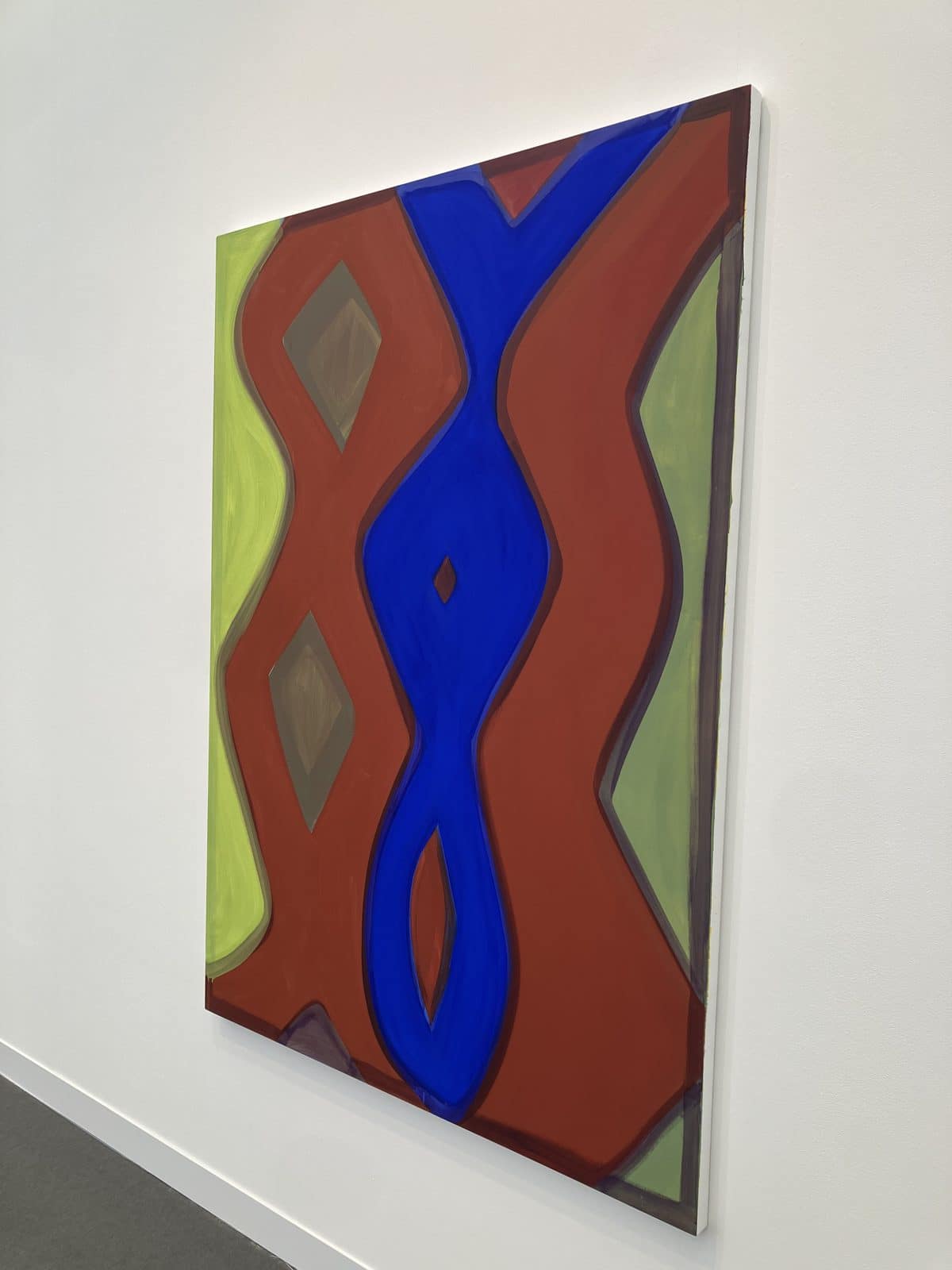
At Peter Blum, Alex Katz's Elizabeth 3 (2021) is oil on linen, 182.9 by 121.9cm (72 by 48in), and crops a woman's face so tightly that only one eye, the nose and the top of the red lips fit. Two small Katz oils on board hung beside it, Yellow Buttercups (2021) and Study for Summer 17 (2) (2023). Marina Adams's ReWild (2026) and John Zurier's violet-blue Sketch for Winter II (2023) completed the stand. This booth had some of the best paintings on it.
Studio Lenca: the fair's biggest success?
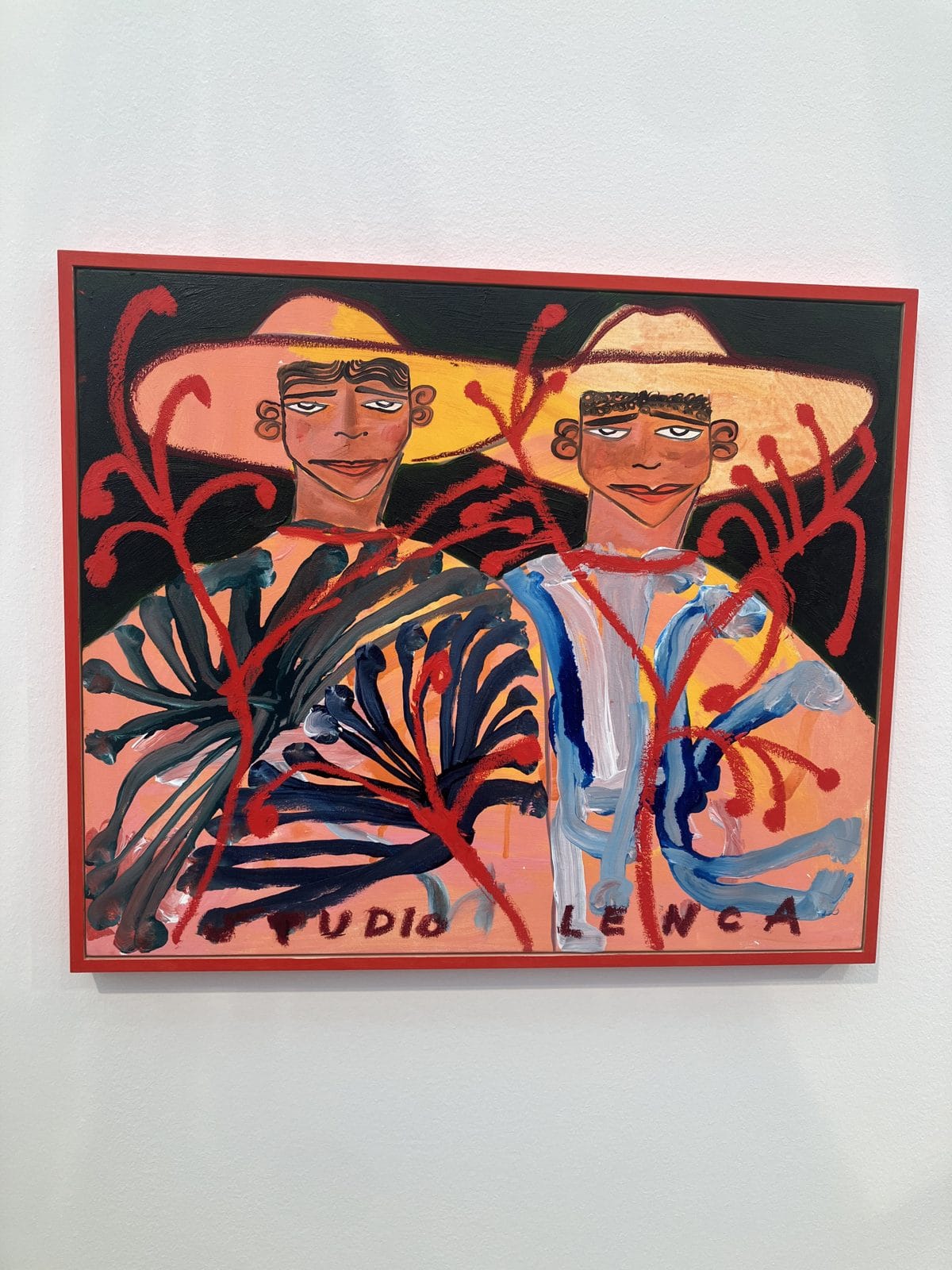
These works are, to my eye, terrible. They are Etsy art for those that don't know art history. Which has a place, but is also somewhat lame.
Studio Lenca is the name used by José Campos, born in La Paz, El Salvador, in 1986. As a child he crossed into the US by land during the civil war. He grew up undocumented in San Francisco. He trained as a dancer at London Contemporary Dance School and took an MA at Goldsmiths in 2019. He now works from Tracey Emin's TKE Studios in Margate. That story is real and hard, and nothing below is about it.
This is about the paintings. At Frieze London 2026 they were everywhere. His Margate gallery, Carl Freedman, showed them on its stand. Deutsche Bank, the fair's lead partner for the 23rd year, commissioned him to fill its lounges at both fairs. Frieze's sales report says Carl Freedman placed more than 20 of his works over the week, one to a major US institution. The gallery's partner Robert Diament told Frieze: "We've had a record year with the strongest sales we've ever had."
The painting I photographed on the stand shows two men in wide sombreros against an orange ground, red vines curling over them, with "STUDIO LENCA" painted in capitals along the bottom. It is the same image he has been making for years: front-facing figures in bright hats and costume, staring out. In 2026 he told Jackson's Art Blog: "I'm untrained. Paintings come from my imagination." In the same interview he said: "I'm very immediate, and some might say impatient."
Both statements are honest, and both show on the canvas. The faces are cartoonish, the figures are flat, and the colour is loud rather than worked. He also told Jackson's that he loves Howard Hodgkin and is "obsessed with his use of colour." Hodgkin could spend years on a single small panel. Studio Lenca's paintings look made in an afternoon, and more than 20 of them found buyers in five days.
Ojalá: migration in the bank's lounge
Then there is the lounge. Ojalá (2026) hangs 30 large boulders in hand-woven Salvadoran hammocks from the ceiling, under bubblegum-pink walls hung with his Historiantes paintings. The rocks are scanned replicas of volcanic stones from El Salvador. As The Art Newspaper noted, they are made of a lightweight material. Nobody drinking underneath is at any risk.
Frieze's magazine describes the work as being about displacement, migration, violence and "the precariousness of belonging." Those are serious subjects. But this was a bank's hospitality lounge, and the precariousness on show had been engineered out. The weight was fake, the danger was removed, and the hammocks became a backdrop for coffee.
Campos once told The Latinx Project: "I want to make work that is visibly Salvadoreño so that other Salvadorans can see themselves in the work." It is a good aim. I'm not sure many Salvadorans got through the door of the Deutsche Bank lounge to see it.
Paragon, Grosse and Spencer Finch
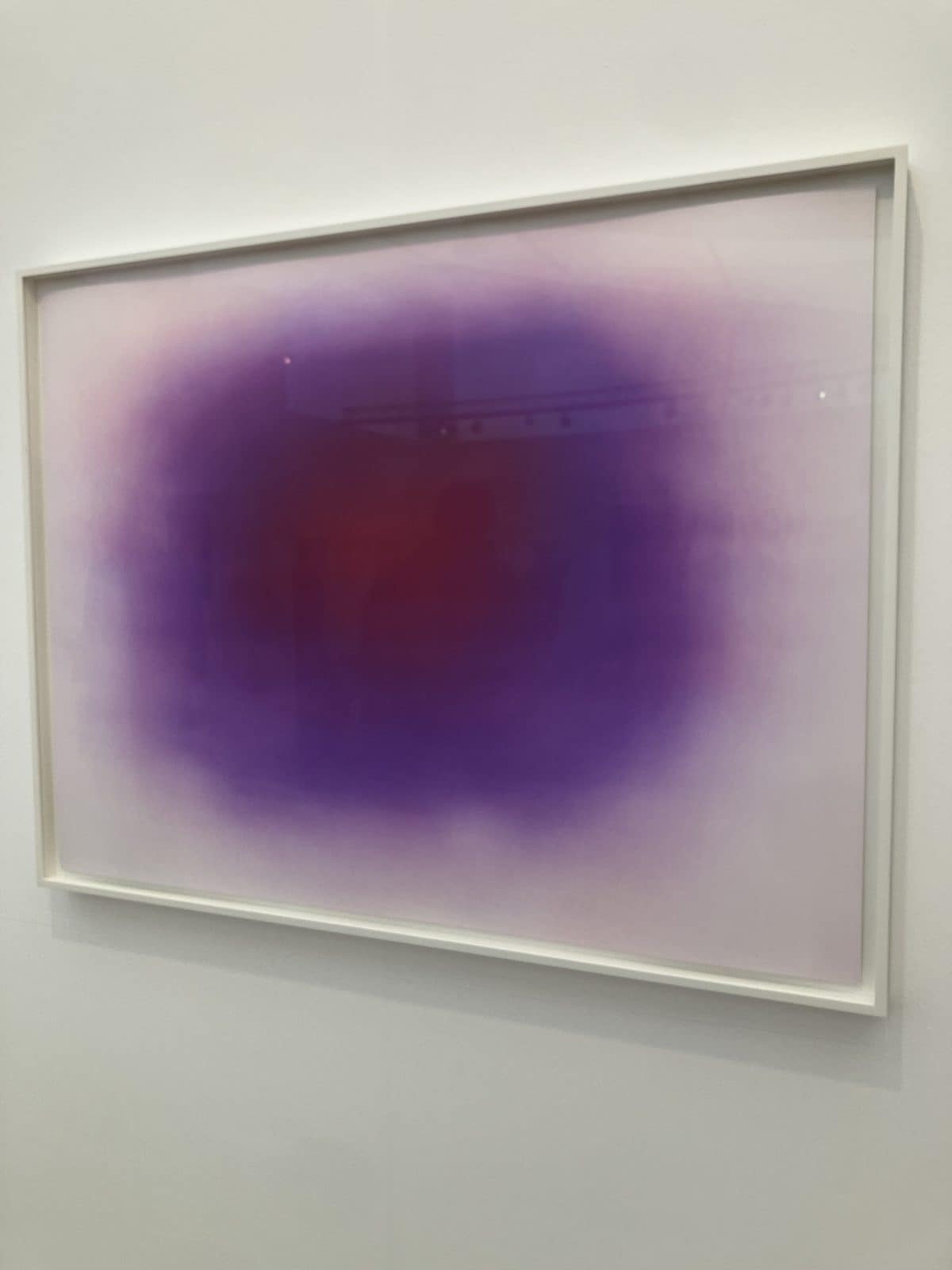
Paragon, the London print publisher, was one of the few stands with prices on its labels. Anish Kapoor's 02 from Flow Blue (2019), an etching from a series of four in an edition of 39, was £9,000 including frame and VAT. Chantal Joffe's Untitled (Lee) (2025), a unique etching hand-coloured by the artist, was £6,960 including VAT. At least you knew where you stood.
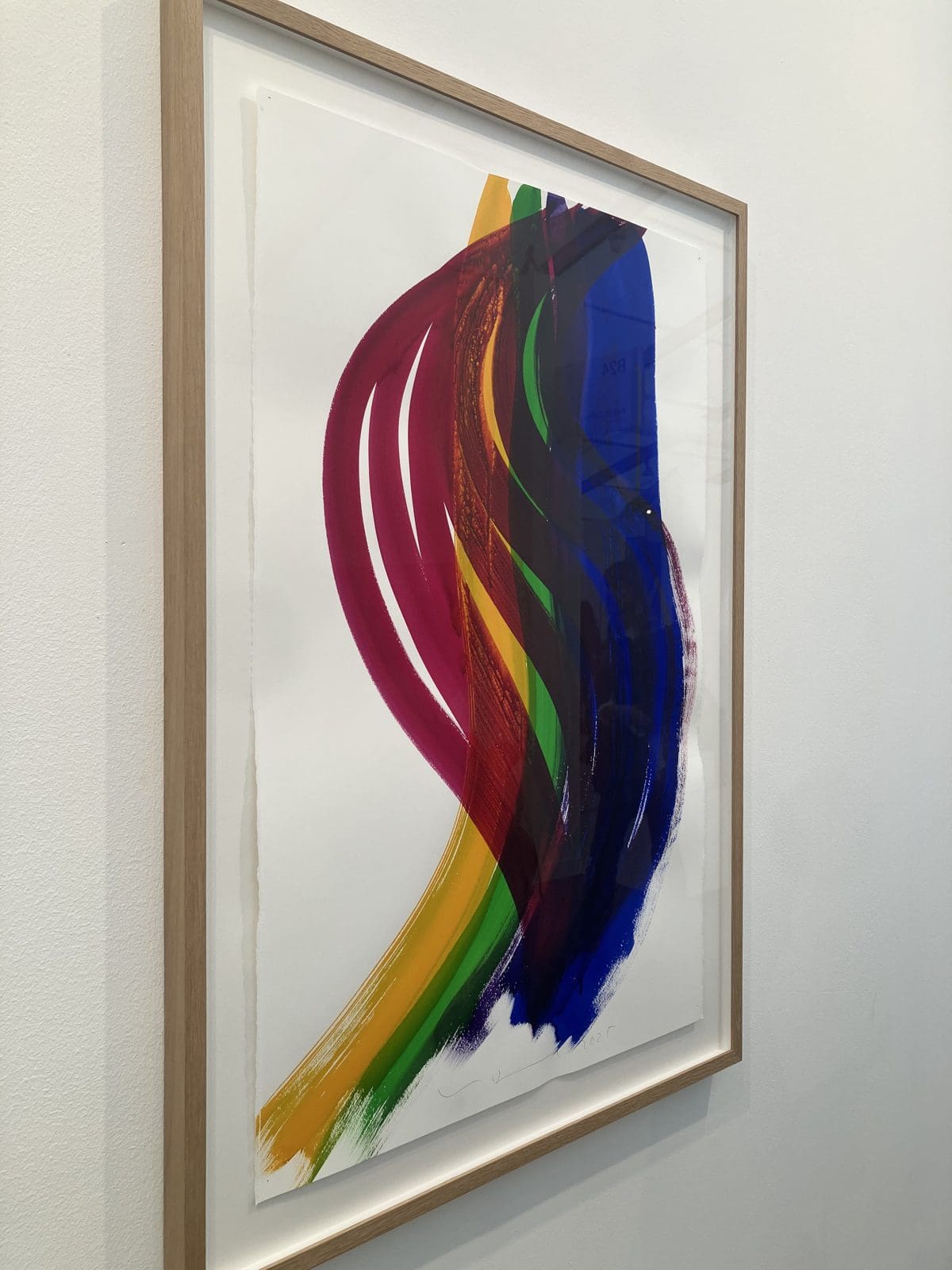
Galerie Max Hetzler showed Katharina Grosse's Untitled (2025), a watercolour on paper 100 by 71cm (39.4 by 28in) with one huge sweep of yellow, green, red and blue. We reviewed her White Cube show earlier this year in our Katharina Grosse review.
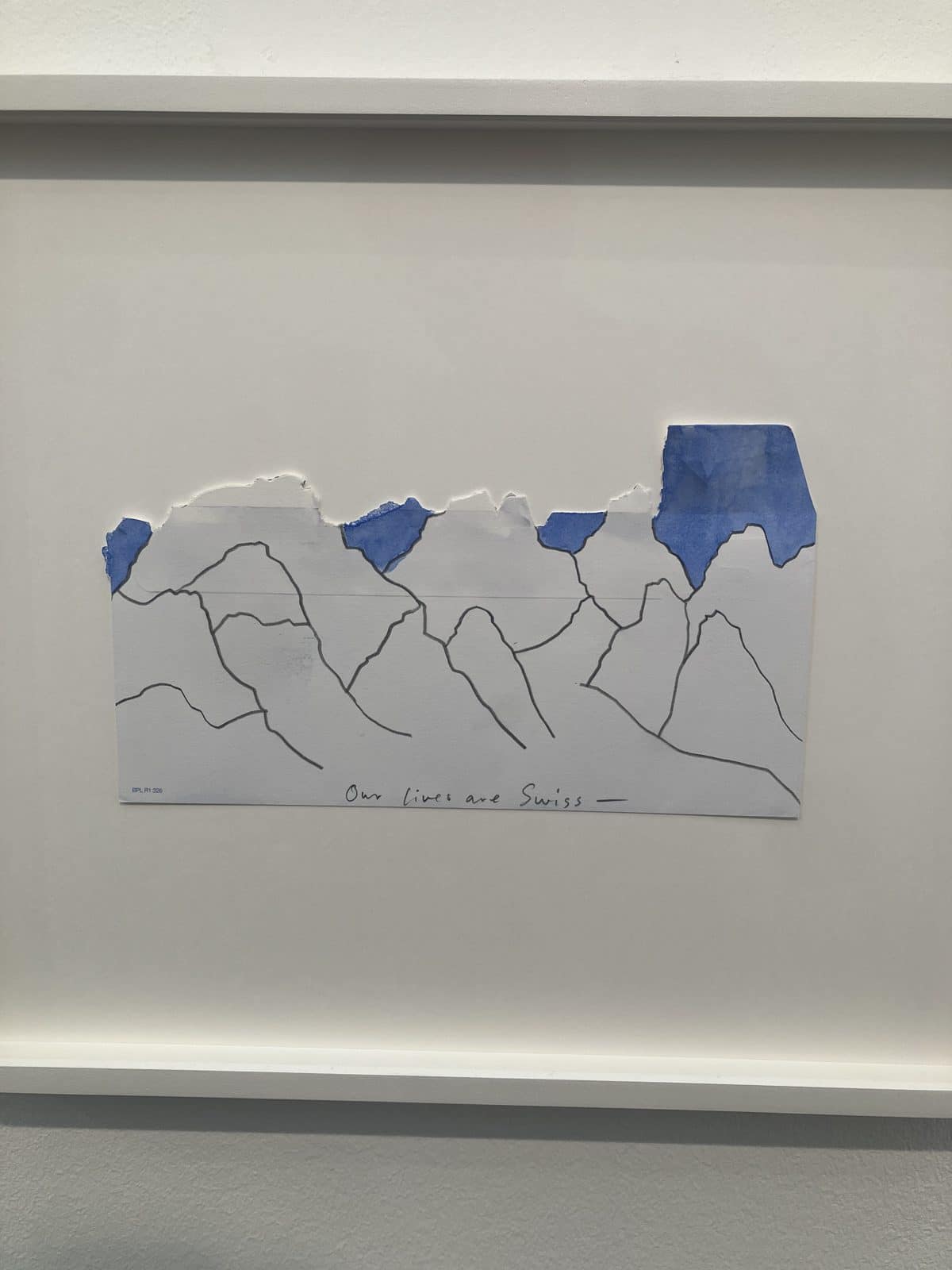
Galerie Nordenhake showed Spencer Finch's Gorgeous Nothing series from 2026, small works made on and around used envelopes. One turns the torn edge of an envelope into a mountain range with blue peaks. Another is just an envelope he posted to himself in Brooklyn. Titles include Gorgeous Nothing 44, After Matisse and Gorgeous Nothing 8, After Brecht (1939). I have a soft spot for Spencer, but these feel too much like an Ed Ruscha and Richard Tuttle mash-up.
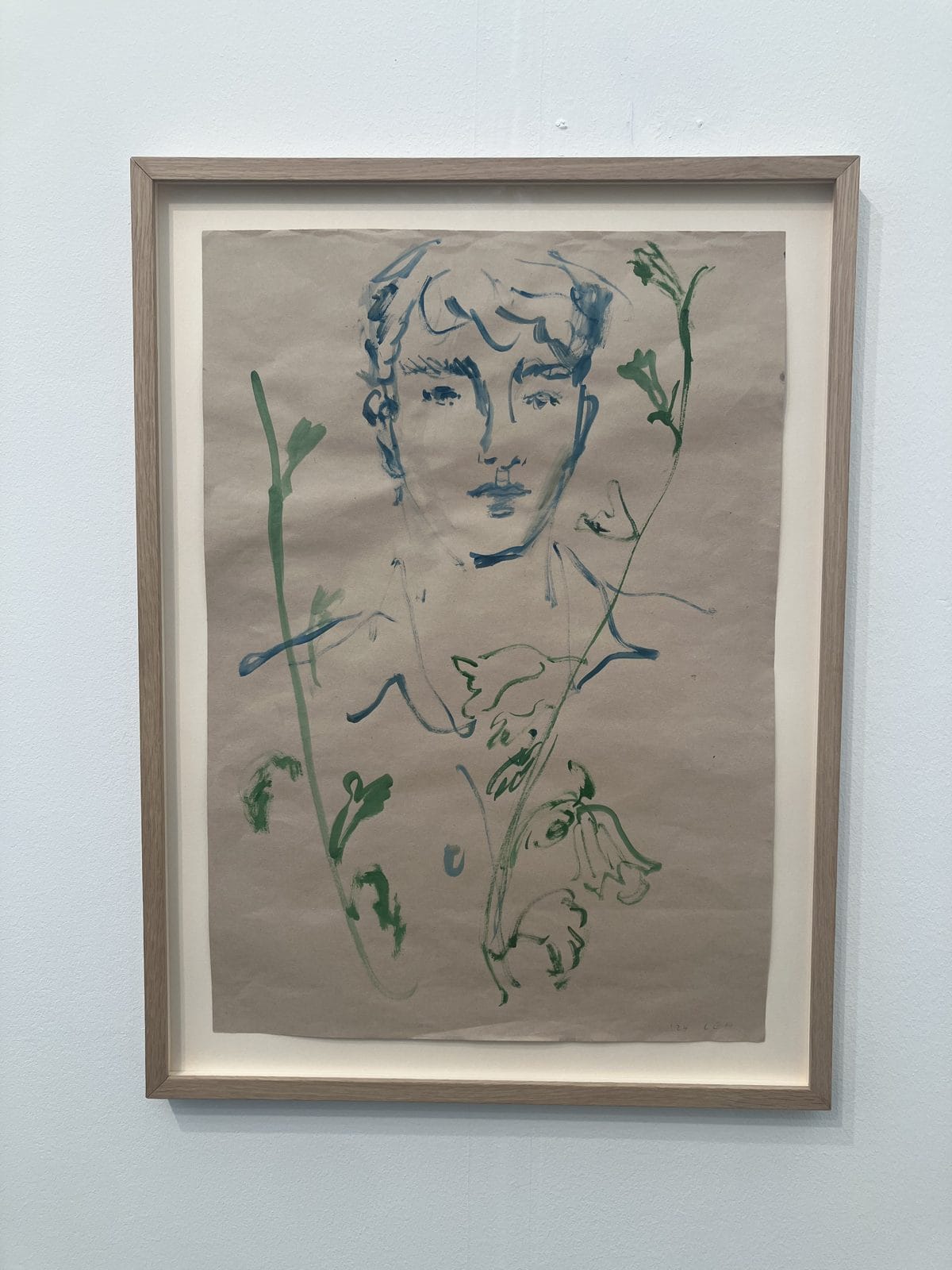
Elsewhere, Alison Jacques showed Eileen Agar's Study for Marine sculpture (1984), ink on canvas, made when the Surrealist was in her mid-eighties. At The Breeder, Luke Edward Hall's watercolour Boy with wildflowers II (2024) hung beside a larger oil, Phantom Caer (2026). Tired camp whimsy. At OMR, the Mexico City gallery, Sebastian Silva showed three new untitled oils, each over two metres tall.
Frieze London review: how our five picks held up
Before the fair, our Frieze London 2026 guide sent readers to five things in this tent: Helen Chadwick and Cathy de Monchaux at Richard Saltoun, Ana Mendieta at Alison Jacques, Dalton Paula at Lisson, Myrlande Constant at Fort Gansevoort, and the Artist-to-Artist stands.
Helen Chadwick is always excellent. Richard Saltoun brought her Piss Flowers (1991 to 1992), white flowerheads cast from the hollows she and her partner David Notarius made by urinating into snow, set out on astroturf. Chadwick died in 1996, and the work is more than 30 years old. Why was this not at Frieze Masters?
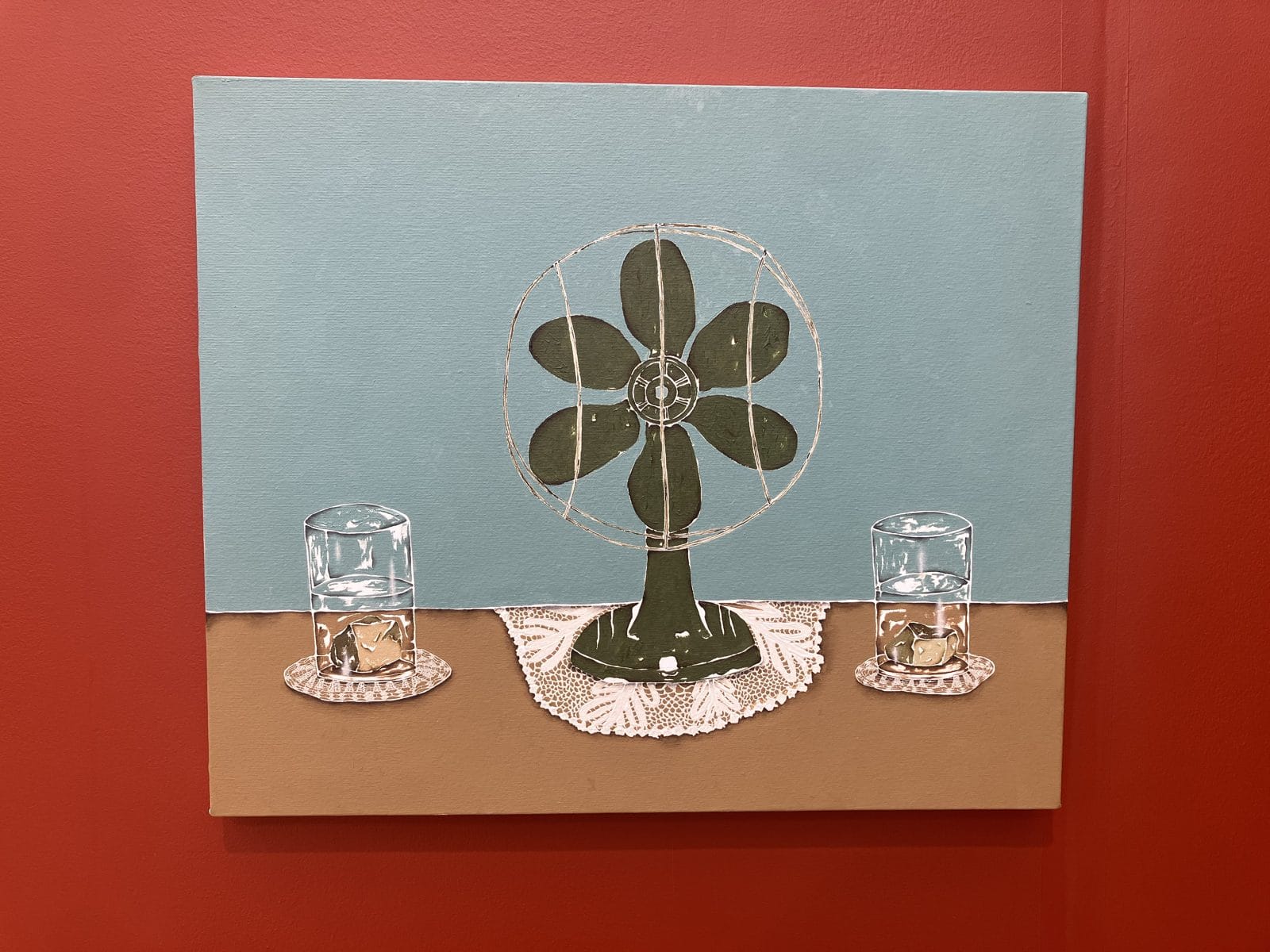
Dalton Paula at Lisson was thought-provoking. His solo booth asked “Who nourishes freedom?” and was built around Luiz Gama (1830 to 1882), the Brazilian lawyer and abolitionist who used the courts to free around 500 enslaved people. Six paintings set chairs up as makeshift altars for food, bells, a fan and a goat horn. In one, an electric fan stands between two glasses of water on lace doilies, against a red wall. Alongside them, a new work from his Retrato Silenciado (Silenced Portrait) series is painted straight onto the covers of old books, including a portrait of Gama's mother, Luiza Mahin. The Frieze preview also listed his portrait Zacimba Gaba (2025), oil and gold leaf on canvas. Paula has said: “what inspired me was the lack of historical images of Black people,” and “In my portraits, I seek to create a new history.” Away from the fair, he founded Sertão Negro in Goiás in 2021, an art school and residency modelled on the quilombos built by people who escaped slavery.
Frieze London review: what fell short
The art fair format does its own damage. Most stands show no prices. Unless you ask, a £6,000 print and a £600,000 painting look the same. Sales are the story the organisers tell afterwards. This year's report was a list of dollar figures and institutions.
The bigger problem is what got the space. A corporate lounge that few of us get to enter, at the heart of the fair, was given over to a single artist whose paintings, to me, didn't earn it. Add a £150 Thursday ticket, and the fair asks a lot for what it gives back.
Is Frieze London worth it?
For this Frieze London review, the ticket price matters as much as the art. For one fair, a Thursday ticket was £150, Friday £78 and weekend general admission £48. The weekend combined ticket for both fairs was £92, and students paid £32. If you go, go at the weekend.
Alternatively, spend the money on art. Our guide to affordable art in the UK covers prints and originals under £500, and our Frieze week exhibitions round-up lists free gallery shows that ran across London during the same week.
Practical info for next year
If this Frieze London review hasn't put you off, the entrance is off Park Square West, under five minutes' walk from Regent's Park station on the Bakerloo line. Tickets are online only and timed, and general admission has no re-entry. Bags over 40 by 20 by 40cm aren't allowed, and you can't bring your own food. Frieze Sculpture in the English Gardens is free and stays up until 1 November 2026. Check Frieze's visitor information for next year's dates.
Frieze London review: the verdict
Cool Factor
★★☆☆☆
2 out of 5
Overall, this Frieze London review lands on 2/5, Lukewarm. It earns its two stars because of the paintings on Peter Blum's booth, the simple elegance of Do Ho Suh's rubbings at STPI, Helen Chadwick at Richard Saltoun and Dalton Paula at Lisson. It goes no higher because the fair's biggest stage, the bank's lounge, went to paintings I thought were terrible, and the worst work on the floor, Catherine Goodman's abstract, was not far behind. Three visits confirmed it. Frieze London 2026 was very good at selling art, and much less good at showing it.
Frieze London review: FAQs
Is Frieze London worth visiting?
In this Frieze London review it scores 2/5, Lukewarm. There is good work if you hunt for it. However, at £48 to £150 a ticket, a free gallery crawl during Frieze week offers better value.
How much were Frieze London 2026 tickets?
A single-fair ticket cost £150 on Thursday, £78 on Friday and £48 at the weekend. A weekend ticket for both Frieze London and Frieze Masters was £92, and students paid £32.
Who is Studio Lenca?
Studio Lenca is José Campos, a Salvadoran-born artist based in Margate and shown by Carl Freedman Gallery. At Frieze London 2026 he made Ojalá for the Deutsche Bank lounges, and his gallery placed more than 20 of his works.
What sold at Frieze London 2026?
Frieze reported a George Condo, Figure Composition (2026), sold for $600,000, and a Kara Walker for $400,000 at Sprüth Magers. White Cube sold eleven works by Ilana Savdie, one to a museum for $325,000.
What's the difference between Frieze London and Frieze Masters?
Frieze London shows art made mostly since 2000. Frieze Masters covers everything from antiquity to the late 20th century. It sits in a separate tent about 15 minutes' walk away, and this Frieze London review doesn't cover it.
More from CoolCuration
- British Art Fair review: the Saatchi Gallery fair a week earlier, also given two stars.
- Howard Hodgkin Indian Leaves print: the colour Studio Lenca says he is obsessed with.
- Anish Kapoor Hospital Rooms poster: Kapoor on your wall for a lot less than £9,000.
- Gifts for artists: our browsable guide for the creative in your life.
- theprintspace discount code: get your own photos printed and framed properly.
What's trending




Recent posts
- Frieze London 2026 Review: Why It Only Gets Two Stars
 Three visits to Frieze London 2026, a Deutsche Bank lounge full of Studio Lenca, and why the fair only gets two stars.
- Frieze Masters Review 2026: Old Masters, Queering Modernism and Alice NeelFrieze Masters review 2026: a few visits to Regent's Park, from a 1520s royal portrait to Alice Neel and the new Queering Modernism strand. 4/5 Stone cold.
- Best Easy Access Savings Accounts UK: October 2026 RatesLast updated: 21 October 2026. I checked every rate on this list of the best easy access savings accounts on the provider's own website on 20 October 2026. By Stiv · Design, technology and personal finance Affiliate disclosure: This article contains affiliate and referral links, which are paid links. If you click one and buy… Read more: Best Easy Access Savings Accounts UK: October 2026 Rates

No Comments.