
Last updated: 21 October 2026. I checked the facts in this Frieze Masters review against Frieze's own pages, the fair magazine and the galleries' wall labels.
By Tristan · Arts, exhibitions and creative culture
This is an opinion piece. Views expressed are the author's own and do not constitute professional advice.
Cool Factor: 4/5
Frieze Masters reviewRegent's Park, October 2026
A 3,000-year art fair in one tent, and a new queer thread running through it
This Frieze Masters review covers a few visits to the 2026 fair in Regent's Park. Frieze puts this edition at nearly 140 galleries from 30 countries and regions. Between them they cover roughly 3,000 years, from Roman mosaics to 1980s painting, all in one tent on Gloucester Green at the north-east corner of the park. As with both Masters and Frieze London, the quantity of work to see meant I staggered it over more than one visit for the fair's duration. Frieze Fatigue, a term I coined in the late 2010s, is always applicable.
Frieze Masters review: what is the fair?
Frieze Masters is the historic sister fair to Frieze London, launched in 2012 by Frieze's founders Amanda Sharp and Matthew Slotover. The rule is simple. Works must be made before 2000, or before 2010 if the artist was born before 1950, according to Frieze's own FAQs. Frieze London, at the other end of the park, handles the contemporary side. That said, there are plenty of 20th-century works in Frieze London too.
The 2026 edition ran from 14 to 18 October. Wednesday and Thursday morning were invitation only, and general admission began at 1pm on Thursday. Director Emanuela Tarizzo summed up the approach: "Frieze Masters has always resisted the idea of a single art history."
Three curated strands
Alongside the main galleries, three curated strands gave the fair its shape.
Spotlight is the fair's section for 20th-century artists who deserve wider attention. This year it was its largest edition yet: 22 galleries, each showing a single artist. It was curated by Dr Devika Singh and Dr Sofia Gotti of the Courtauld Institute of Art, and focused on mid-century work from South Asia, South America, Europe, North and West Africa and East Asia, mostly from the 1950s to the late 1970s. Names included Pacita Abad at Alison Jacques, Mohamed Melehi at Loft Art Gallery, Anwar Jalal Shemza, Ernest Mancoba and Anna Zemánková at The Gallery of Everything. The Art Newspaper saw the section as part of a wider shift at the fair towards the Global South, with six South Asian galleries in Spotlight alone.
Reflections, in its second year, was the invitation-only strand curated by Abby Bangser, founder of the design fair Object & Thing. It took two houses as its starting point: Casa Luis Barragán in Mexico City, and The Cosmic House in London, the former home of Charles and Maggie Jencks. Each was a family home for about 40 years, and the strand drew on the art and design both families lived with. Galleries included Erskine, Hall & Coe, Tristan Hoare and Side Gallery.
Queering Modernism was new this year, and it's the strand that ran through the whole fair.
Frieze Masters review: first impressions on Thursday
Always a more refined and gentler fair and crowd than Frieze London, Masters was pleasant to arrive at on Thursday afternoon.
Queering Modernism: a thread through the whole fair
New for 2026, Queering Modernism: Visual Languages of the 20th Century is the first section at Frieze Masters dedicated to queer visual languages. Its curator, the art historian Anke Kempkes, conceived the exhibition Queer Modernism 1900 to 1950 at K20 Kunstsammlung Nordrhein-Westfalen in Düsseldorf earlier this year. Rather than having a section of its own, the presentations are spread across the tent. I came across them as I went round, spotted by the gold signs on each booth announcing which galleries were part of Queering Modernism.
In her essay for the fair magazine, Queering the Field, Kempkes traces the coded language of queer desire back centuries, to Caravaggio's Narcissus and the many paintings of Saint Sebastian. She then follows it into modernism. Artists such as Glyn Philpot, Romaine Brooks and Richmond Barthé took up academic nudes and mythology, apparently old-fashioned styles, to show modern queer lives. "These artists formed an eccentric avant-garde all their own, effectively unsettling modernism's preoccupation with progress, rationalism and technocratic aesthetics," she writes.
Her argument is that many of these artists were hidden rather than forgotten. "Despite their commercial success, institutional acclaim and pivotal roles within cosmopolitan cultural centres, many modern queer artists were systematically excluded from the Western canon." Biographies turned partners into "friendly companionship". Then there was the archive problem: "Many artists passed away without direct heirs to safeguard their legacies." That loss, she notes, was repeated decades later during the AIDS crisis.
Who was in it
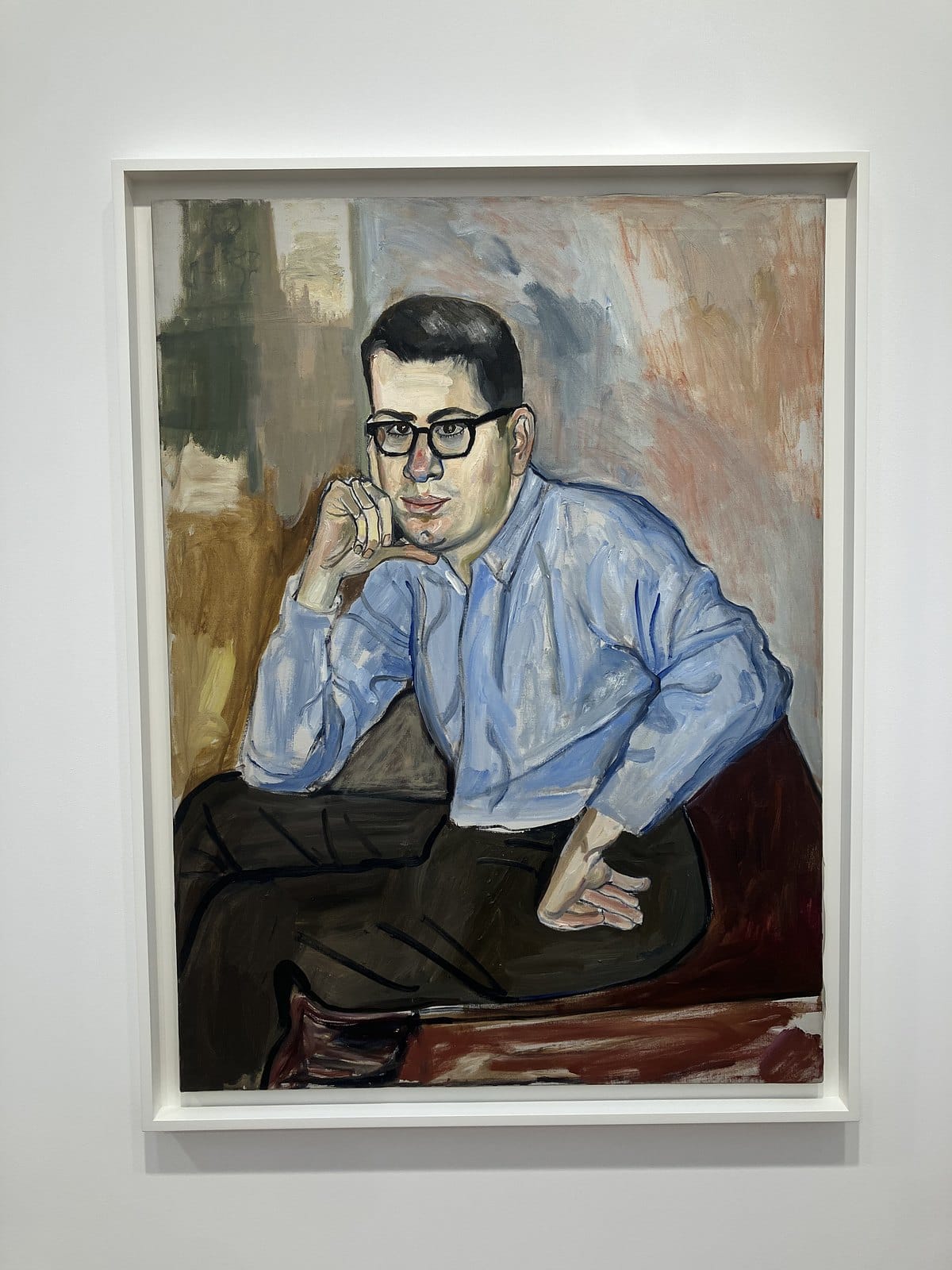
- Victoria Miro and David Zwirner: a joint solo presentation of Alice Neel's portraits of New York's artists, activists and gender non-conforming performers of the 1960s to 1980s, including Allen Ginsberg (1966). According to Frieze, four paintings sold at $1.6 million to $1.8 million each, one of them to a major museum.
- Galerie Albrecht: Ruth Bernhard, the Berlin-born photographer of the female nude, including Moonrise (1962).
- Agnews: a group running from premodern painting to early modernism, led by Glyn Philpot's Balthazar (1929) and the Weimar-era painter Lotte Laserstein.
- Alberta Pane Gallery: Marcel Moore's interwar photographs of her partner Claude Cahun, set in conversation with Judy Chicago.
- Danielian: the Brazilian modernist Ismael Nery, whose androgynous twinned figures include the drawing Outro homem (Other Man) (1932). Nery died of tuberculosis in 1934, aged 33.
- Ab-Anbar: the Iranian artist Bahman Mohassess. His bronze Faun Musician, put up outside the Tehran City Theatre in 1974, was removed and damaged during the 1979 revolution. A new monograph, Bahman Mohassess: Human Assemblage, edited by Kempkes, was launched at the fair.
- Elvira Moreno and Alonso Garcés Galería: Luis Fernando Zapata's papier-mâché stelae and sarcophagi, including Sarcofagi N° 9 (1992 to 1994). Zapata made them after his HIV diagnosis in the mid-1980s. Since his death in 1994, his work has entered the collections of the Centre Pompidou, the Museo Reina Sofía and the Leslie-Lohman Museum of Art.
Kempkes ends by calling the strand "a space for surprising encounters and inclusive perspectives on the remarkably diverse paths artistic lives and practices took across the modern era." For me, the best of it were Ruth Bernhard's photographs at Galerie Albrecht and the Alice Neel portraits on the joint Victoria Miro and David Zwirner booth. Frieze's own guide to Queering Modernism lists every presentation.
Frieze Masters review: back on Sunday
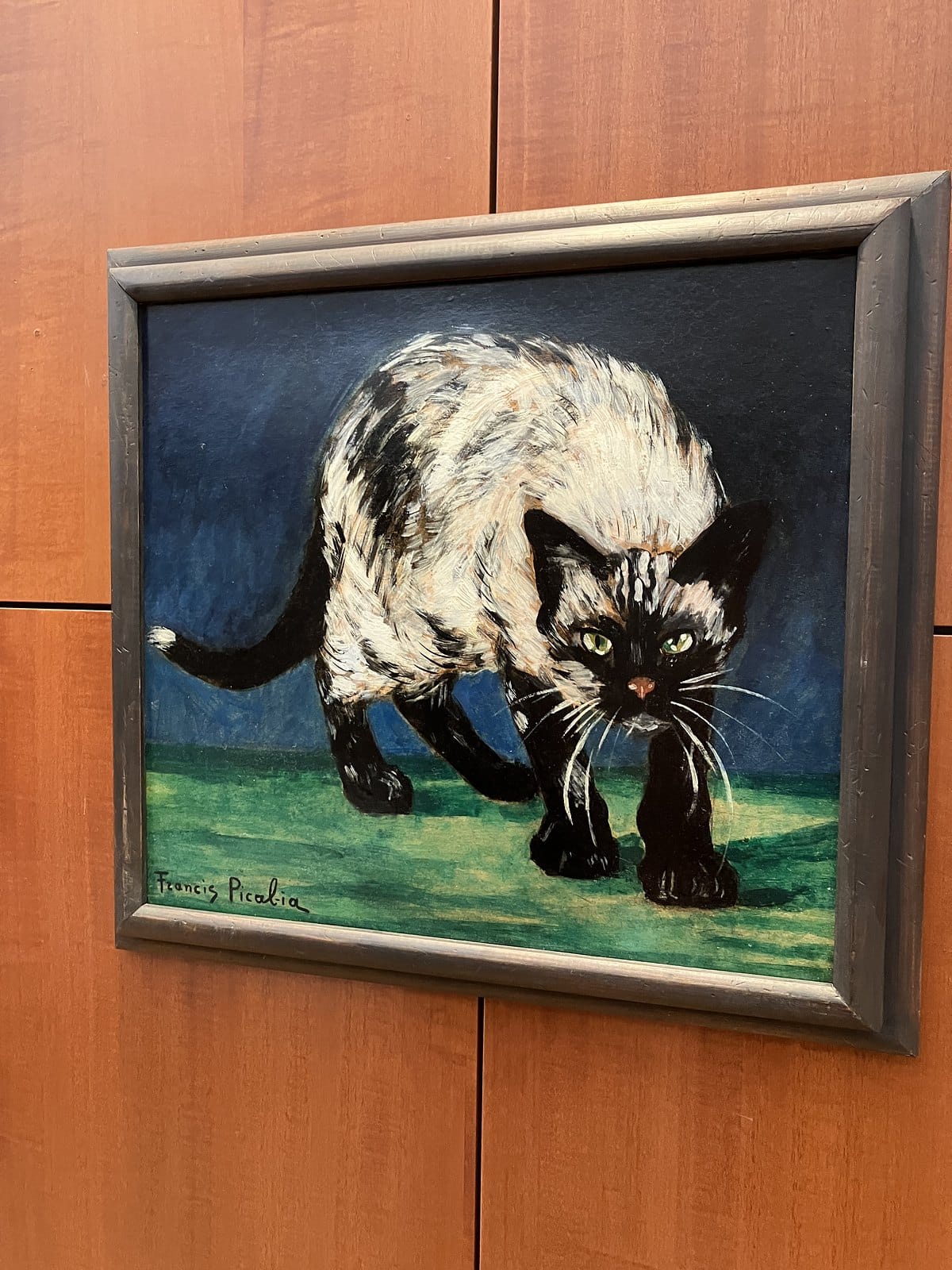
Some of my highlights were a Francis Picabia painting on the always fantastic Hauser & Wirth booth of a Siamese cat, hung against the distinctive wood panelling they use year on year. Later came a Warhol cat drawing signed "Sam", from his 1950s cat drawings, and a small orange-on-black Flowers.
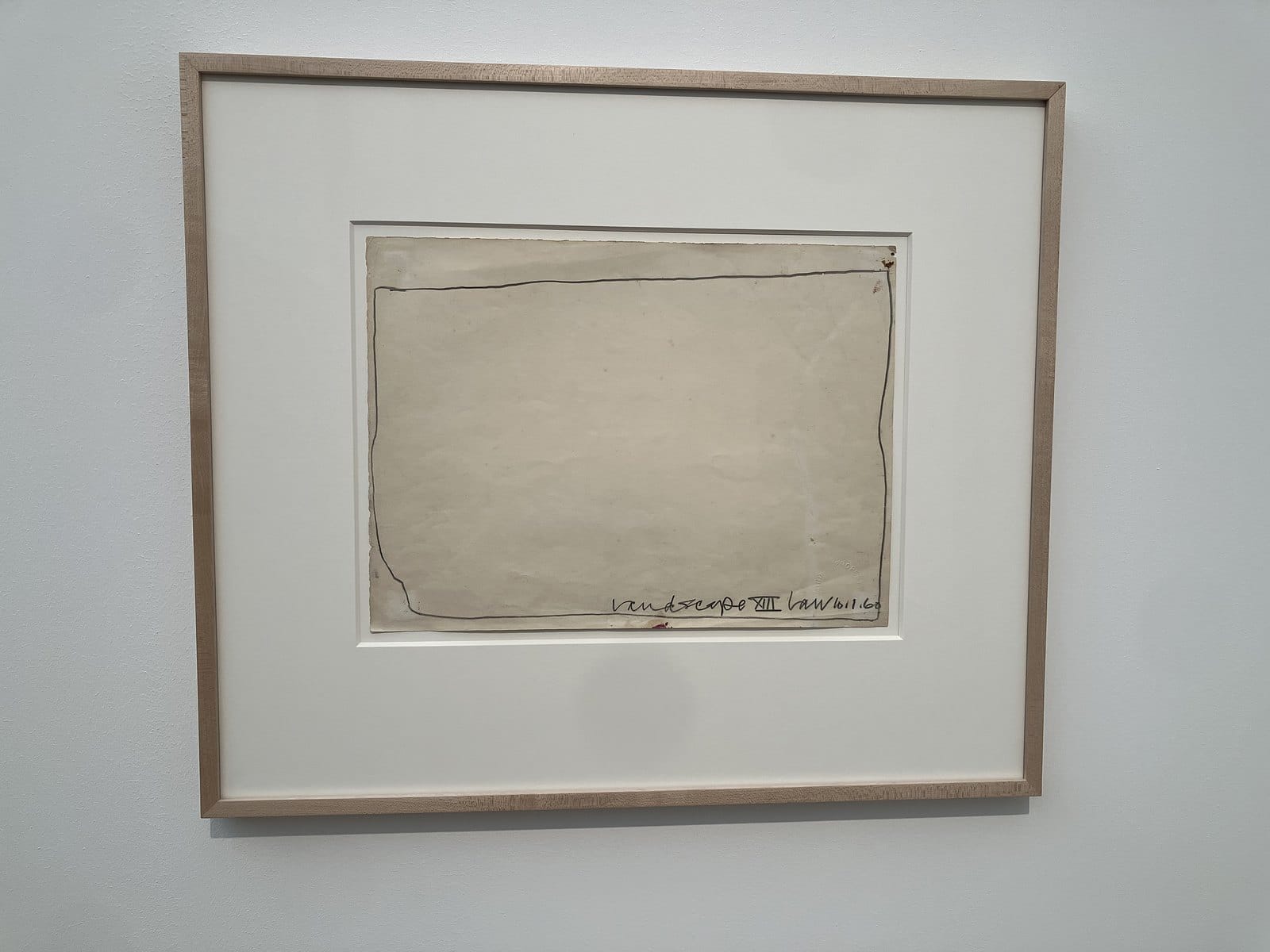
A Bob Law pencil drawing from his 1960 Landscape series, on the Richard Saltoun stand: an almost empty sheet inside a wobbly hand-drawn border, inscribed Landscape XIII 10.1.60, 28 x 38.2 cm (11 x 15 in). I am a big fan of Bob.
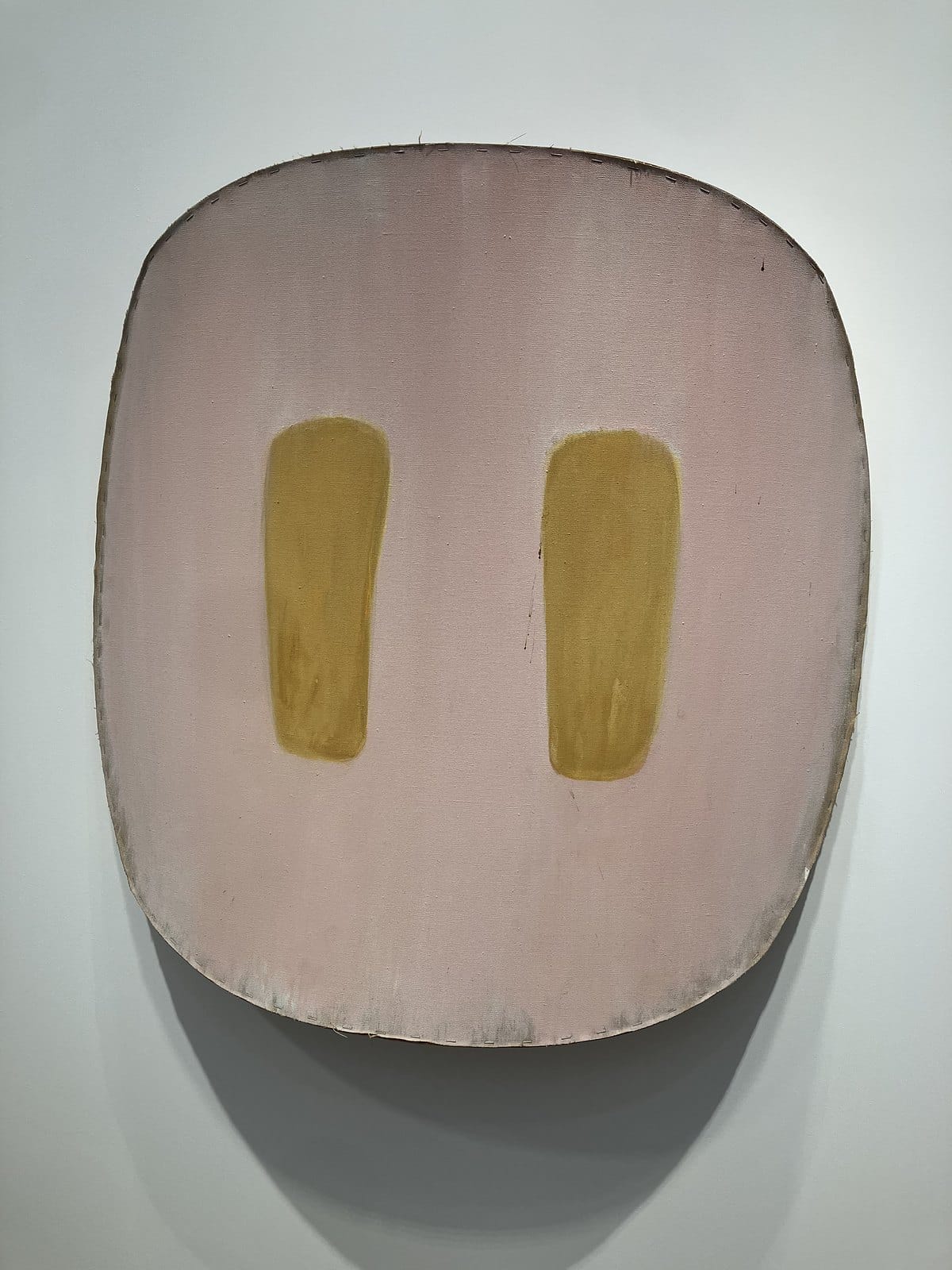
Then came Ron Gorchov's Tarzan (1978) on the Vito Schnabel stand. It's oil on one of his curved, saddle-shaped canvases, 38 x 37 x 9½ in (96.5 x 94 x 24.1 cm), with two ochre marks on pale pink.
Books, prints and works on paper
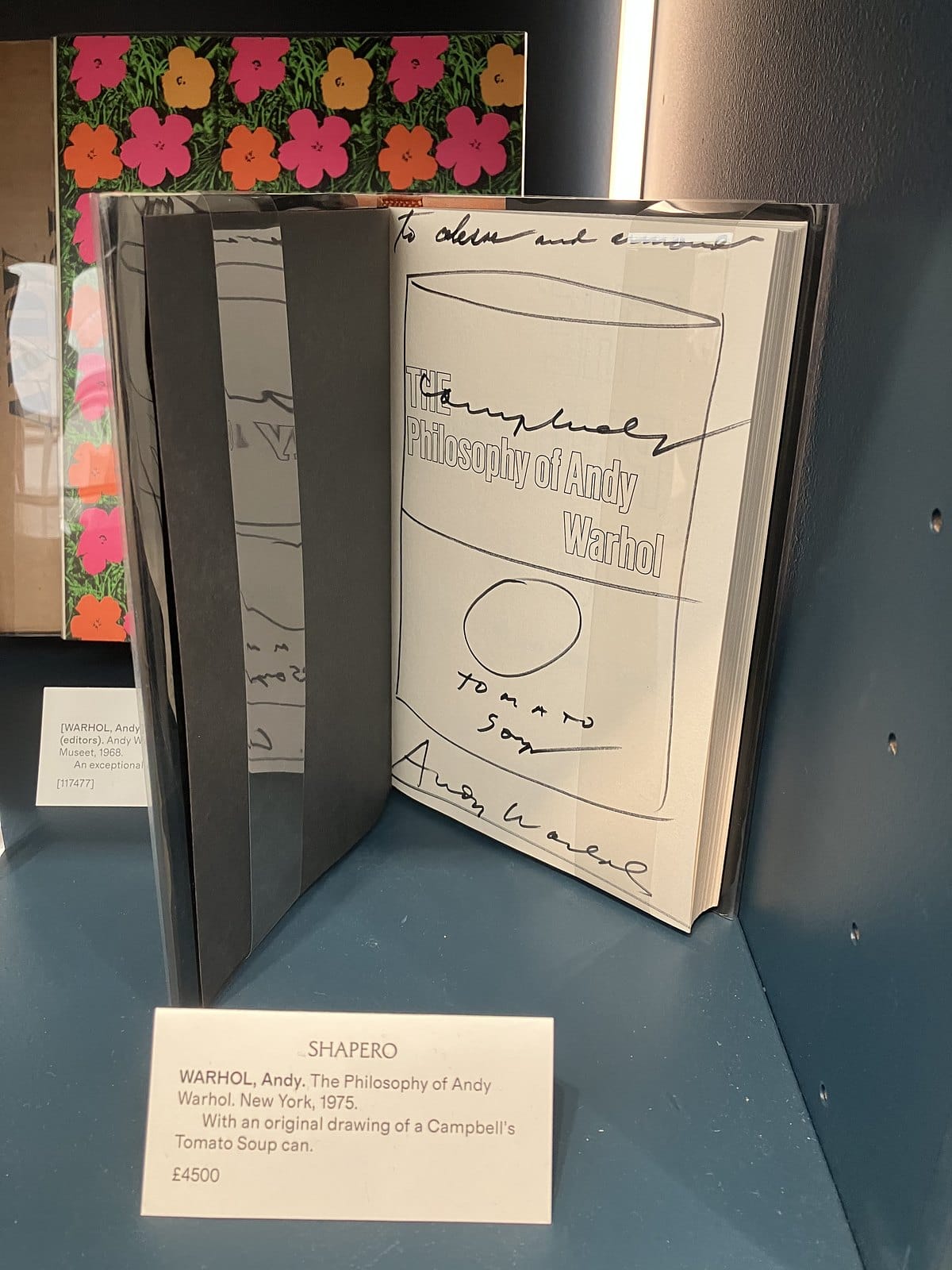
At Shapero, Warhol's The Philosophy of Andy Warhol (New York, 1975) had an original drawing of a Campbell's Tomato Soup can on the title page, priced at £4,500. A perhaps more affordable thing from the fair.
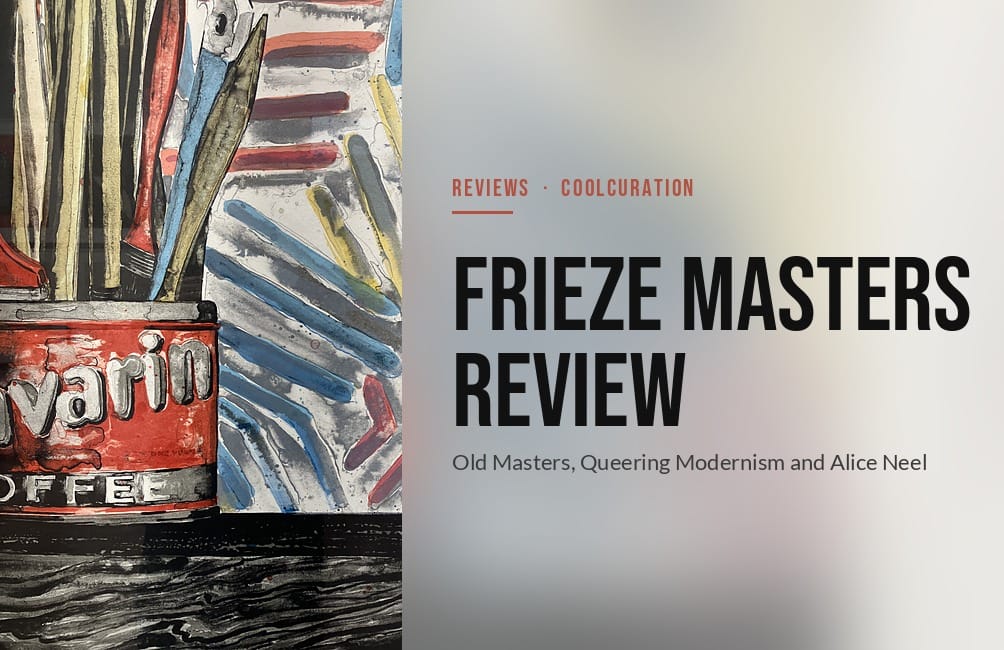
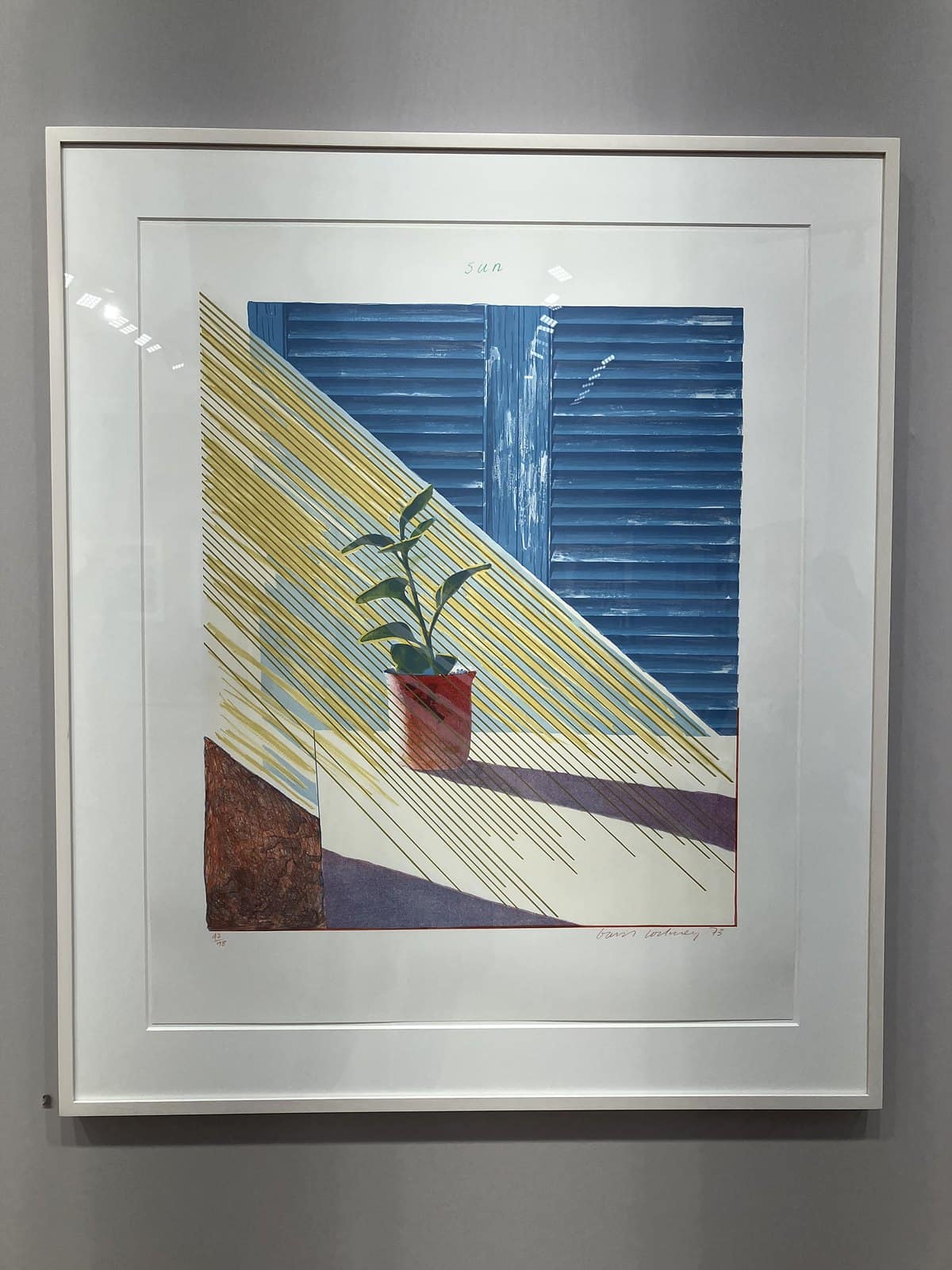
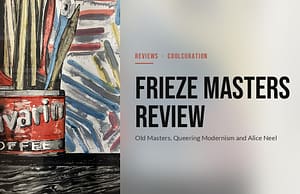
Nearby was David Hockney's Sun, signed and dated '73, number 42 of 98, from his Weather Series of lithographs. There was also a Jasper Johns print of the Savarin coffee can full of brushes, the image he first made as the painted bronze Savarin in 1960. Always pleasing to see for its simplicity and Johns's ingenuity of repeating a motif.
Old Masters at Philip Mould & Co
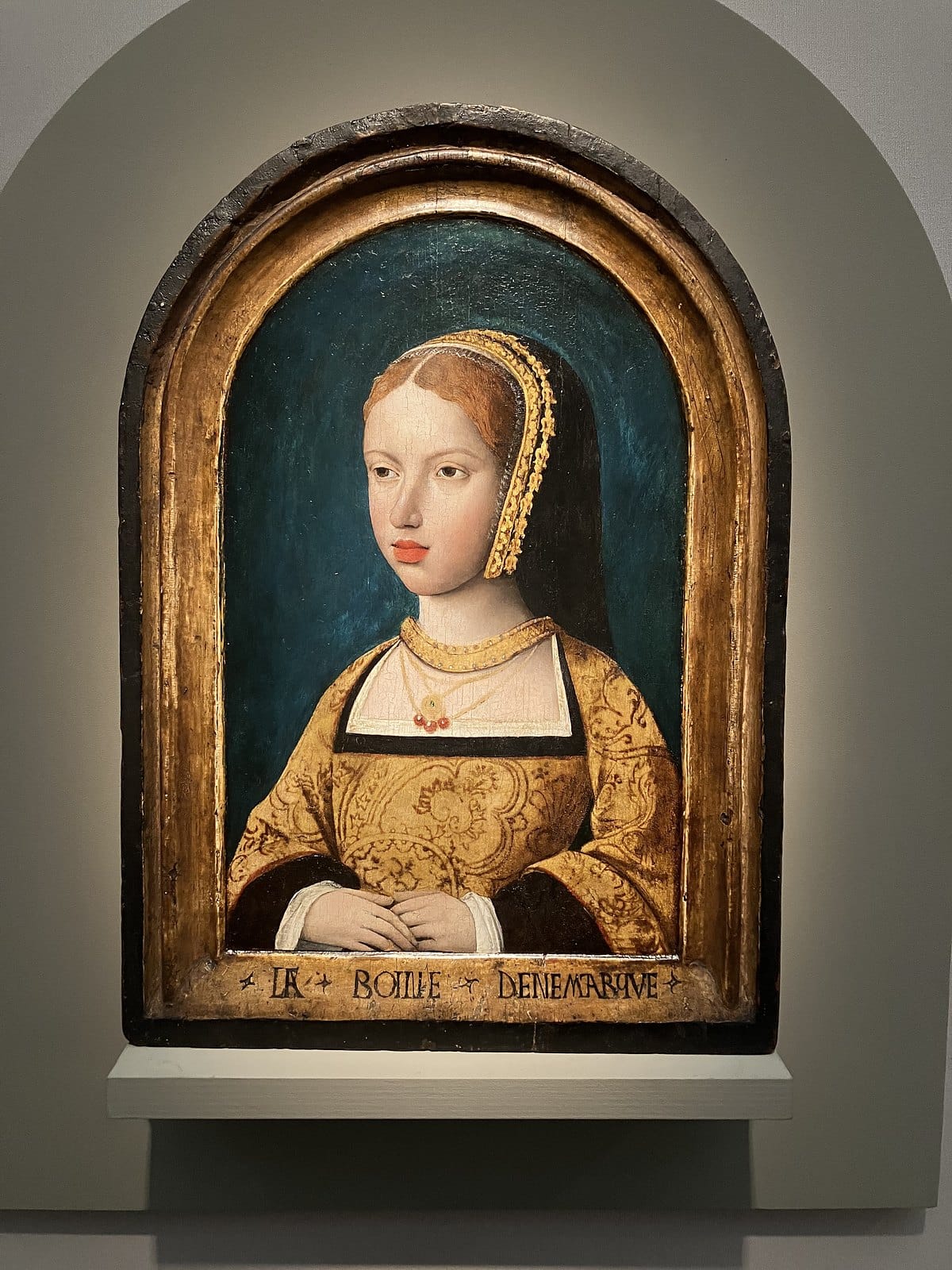
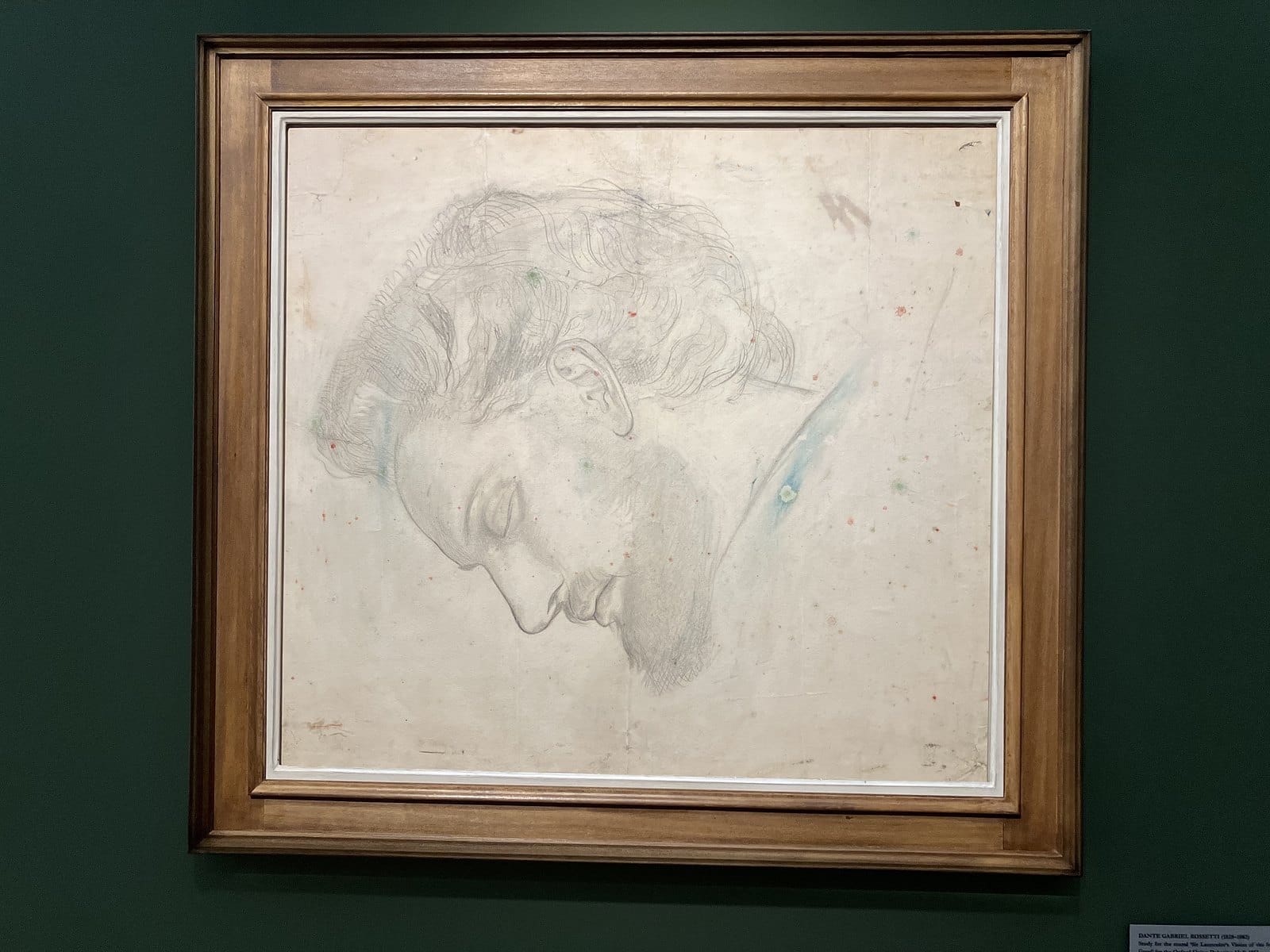
At Philip Mould hung a small arched oak panel, Isabella of Austria (1501–1526), Queen of Denmark, Norway and Sweden, c. 1514 to 1526, by the Anglo-Netherlandish School. Its frame is inscribed "LA ROINE DENEMARQVE", and the price was on request. On the same stand, a dark green wall carried a Dante Gabriel Rossetti pencil study for his Oxford Union mural Sir Launcelot's Vision of the Sanc Grael: a sleeping head, flecked with spots of colour. Astounding.
British modernism
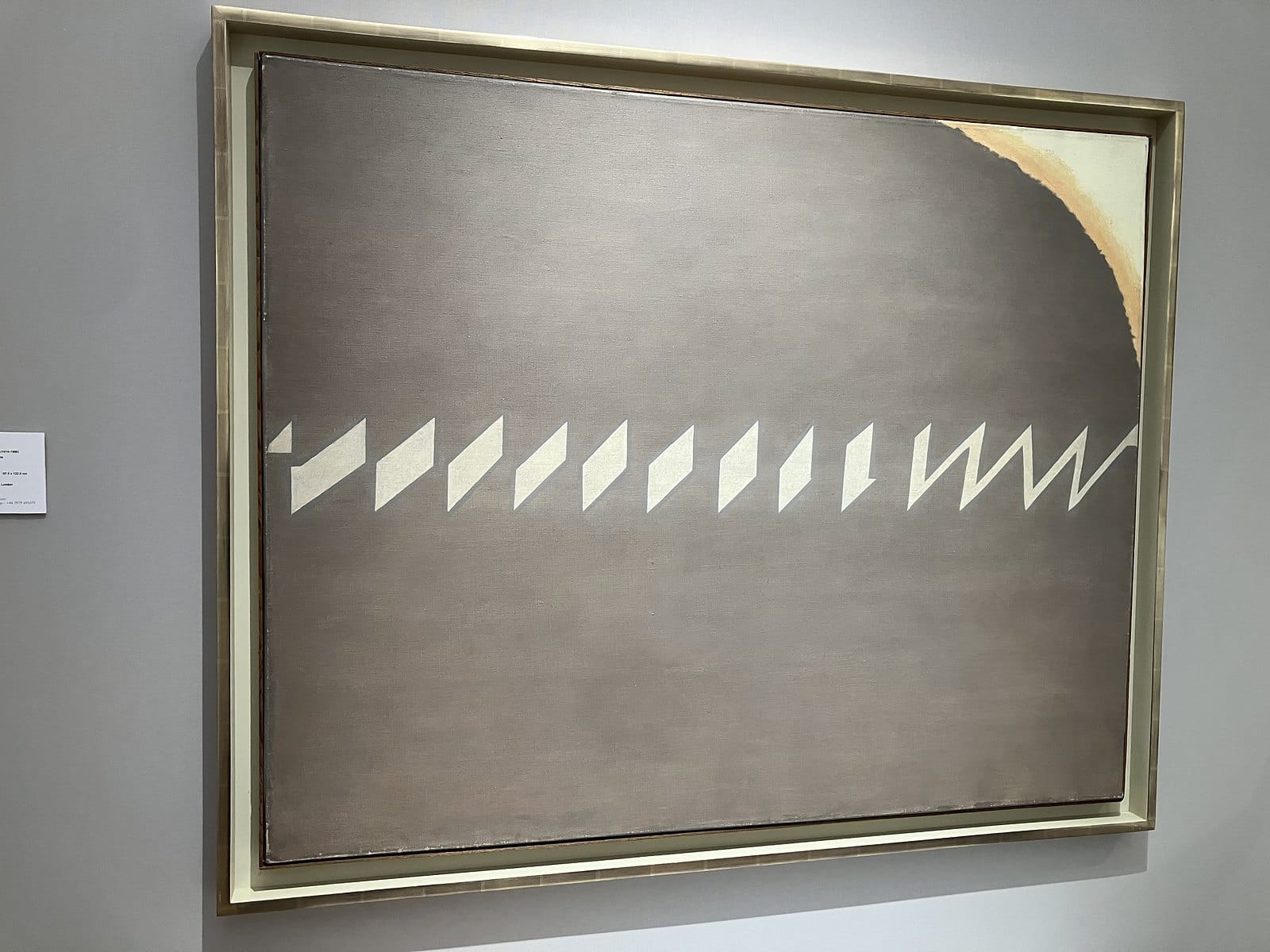
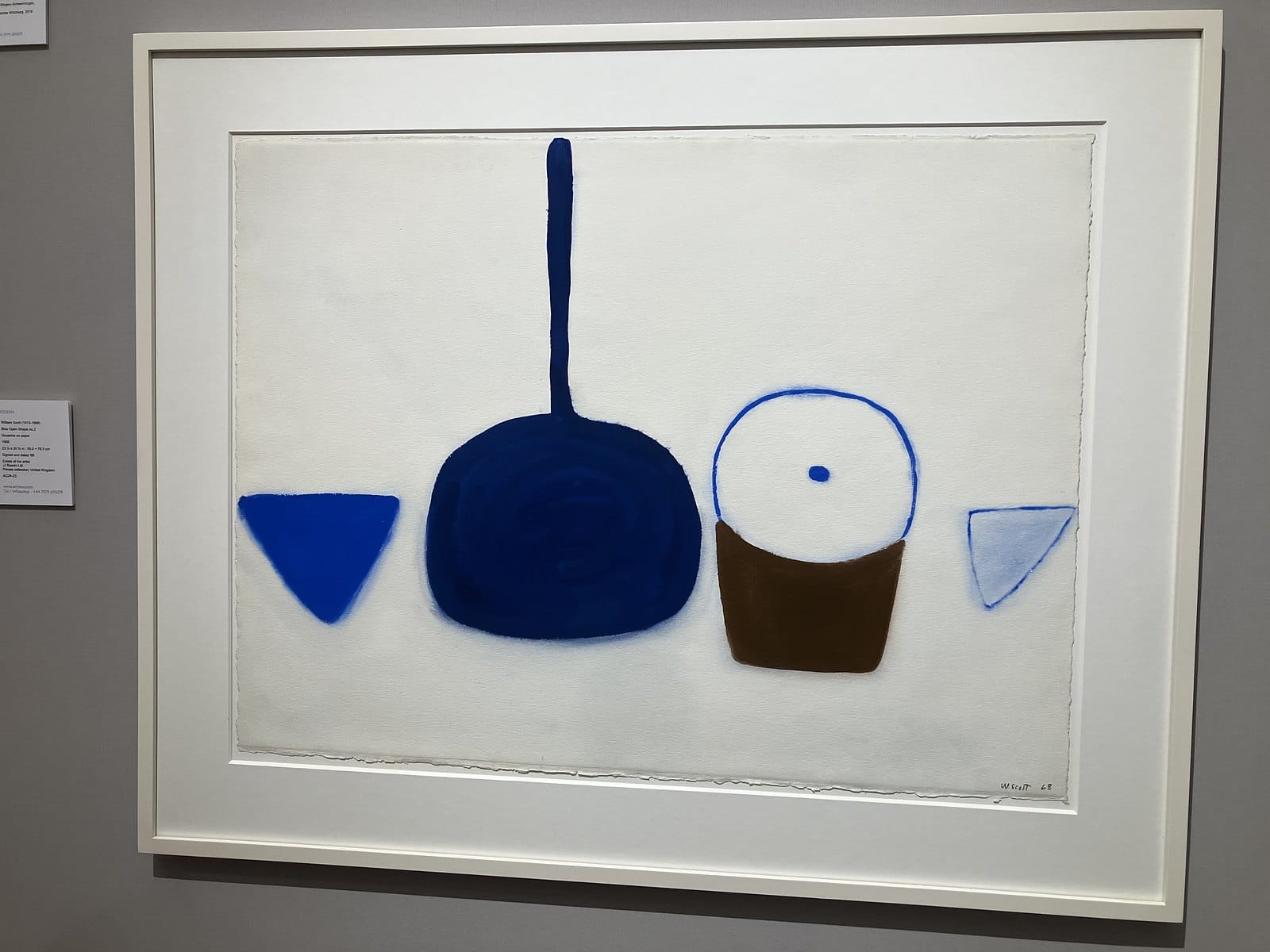
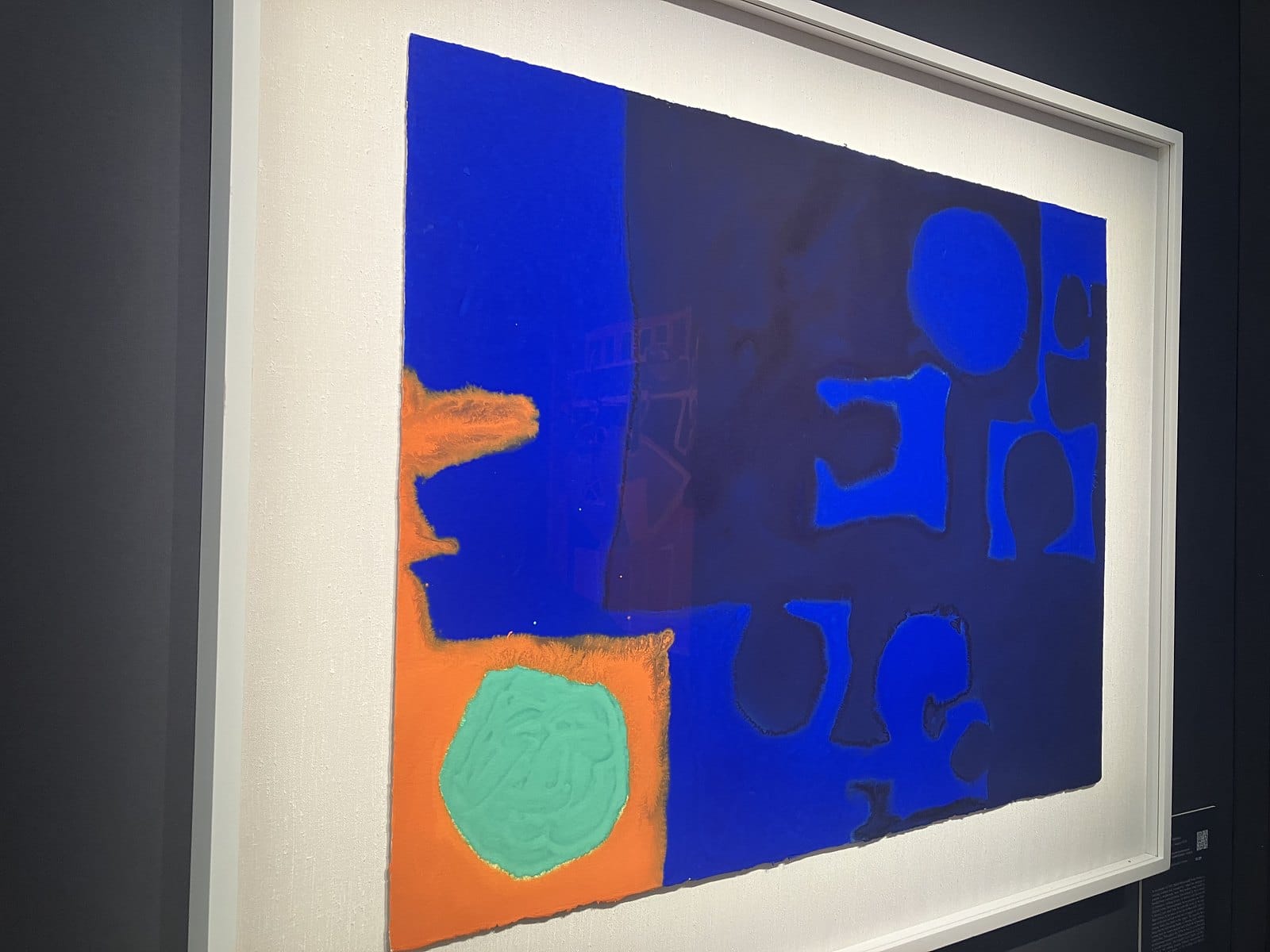
British modernism is always a strong undercurrent at Masters. This year, three of its quieter postwar voices sat within a few stands of each other.
- Prunella Clough (1919–1999): best known for paintings of industrial landscapes, the cranes, yards and wasteland at the edges of cities. Here, it was a grey canvas crossed by a single white zigzag band: the industrial edge pared down to almost nothing. See her work in Tate's collection.
- William Scott (1913–1989): spent decades painting the same kitchen objects, pans, bowls and jugs, until they became near-abstract shapes. This 1968 gouache sets a deep blue pan beside a bowl and two triangles on bare white paper.
- Patrick Heron (1920–1999): the St Ives painter for whom colour was the subject. His blue, orange and green gouaches always stand out.
Surprises
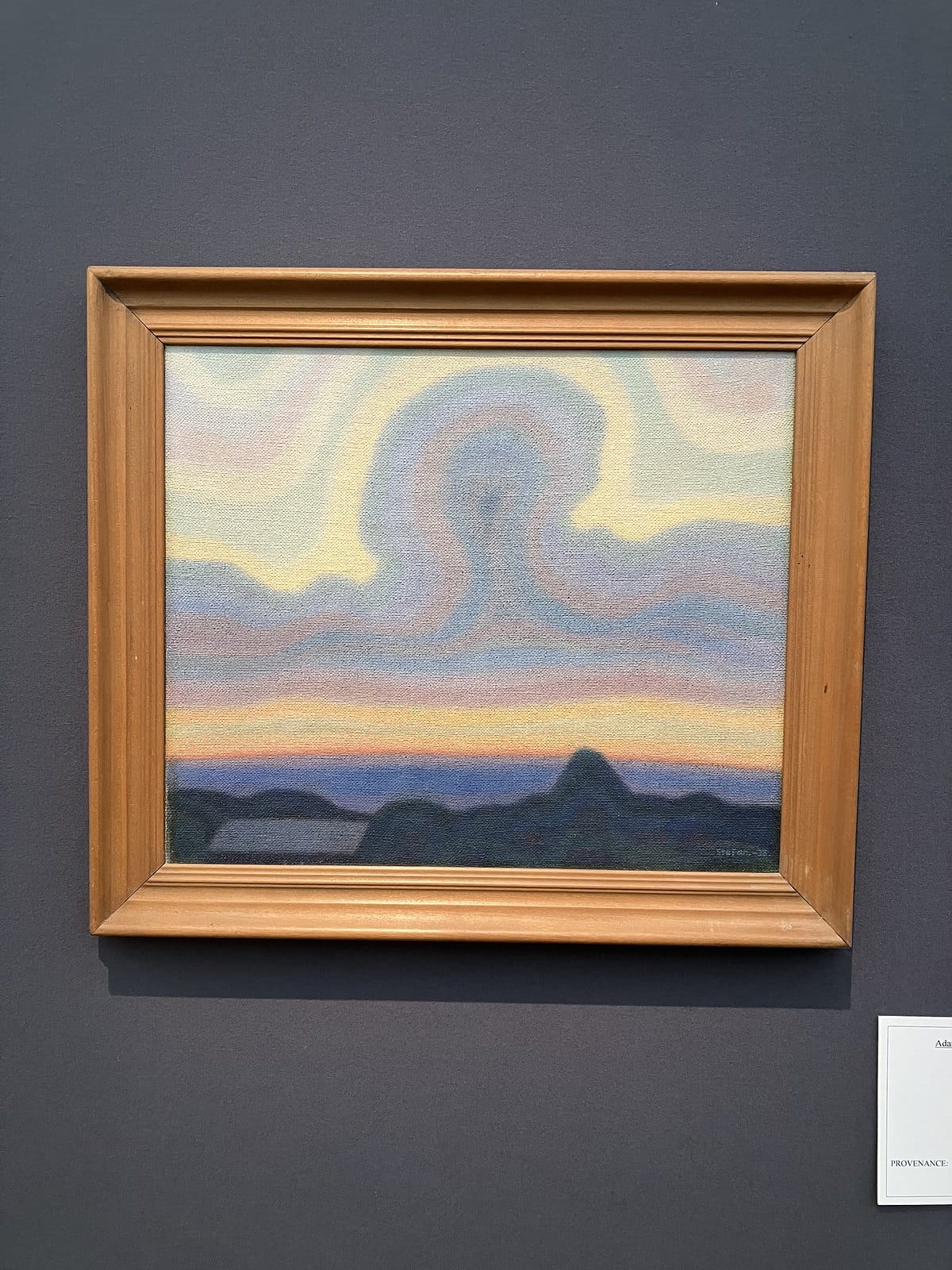
- Stefan Johansson's Summer Night Sky (1938) at Adam Williams Fine Art with Åmells Konsthandel: a small watercolour on canvas of a swirling pastel sky, 11¾ x 13¾ in (30 x 35 cm), in a frame chosen by the artist and priced at €195,000 (£165,000).
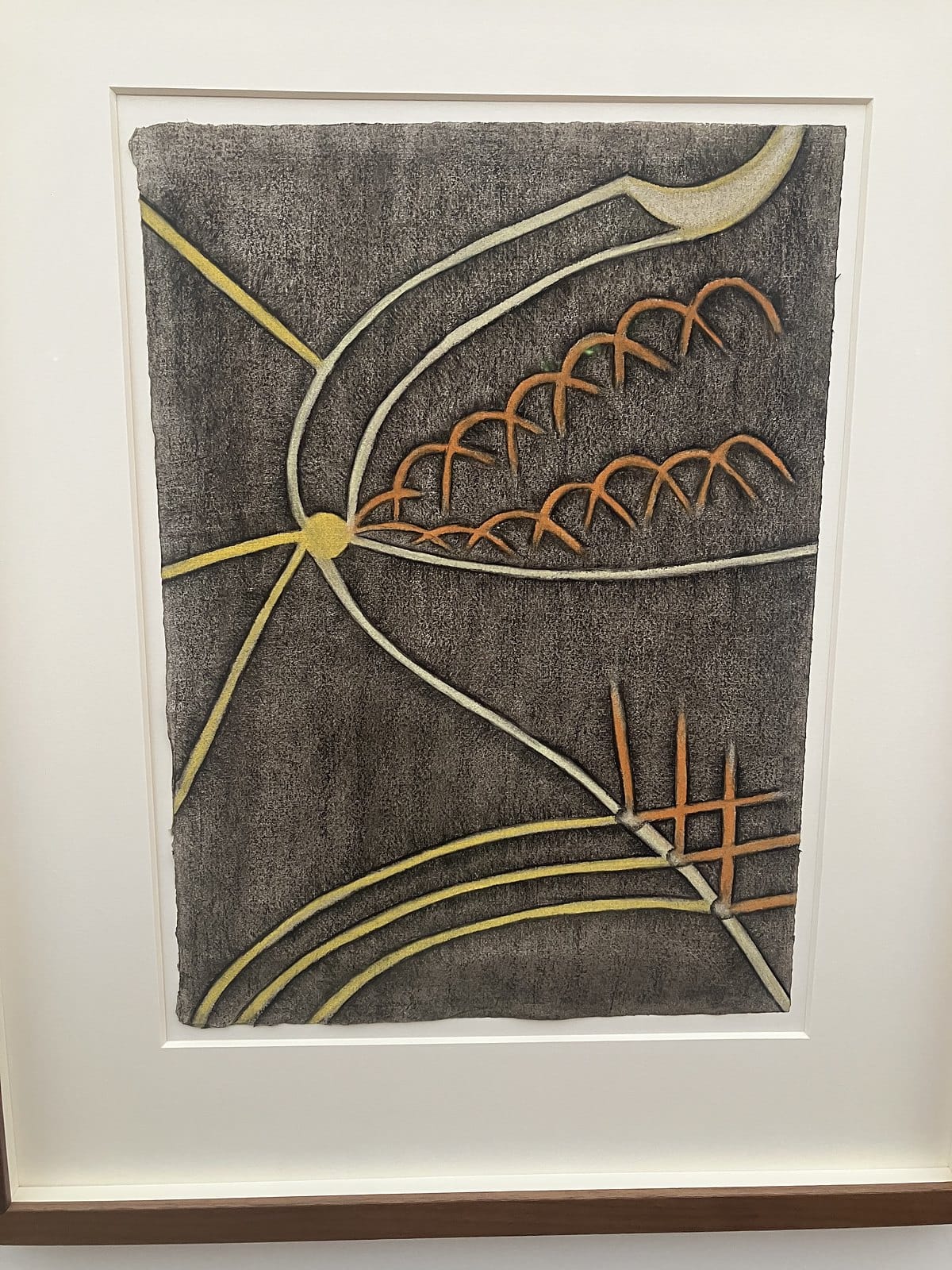
- Anna Zemánková's untitled pastel from about the 1960s at The Gallery of Everything, 41 x 30 cm (16½ x 11¾ in), part of this year's Spotlight.
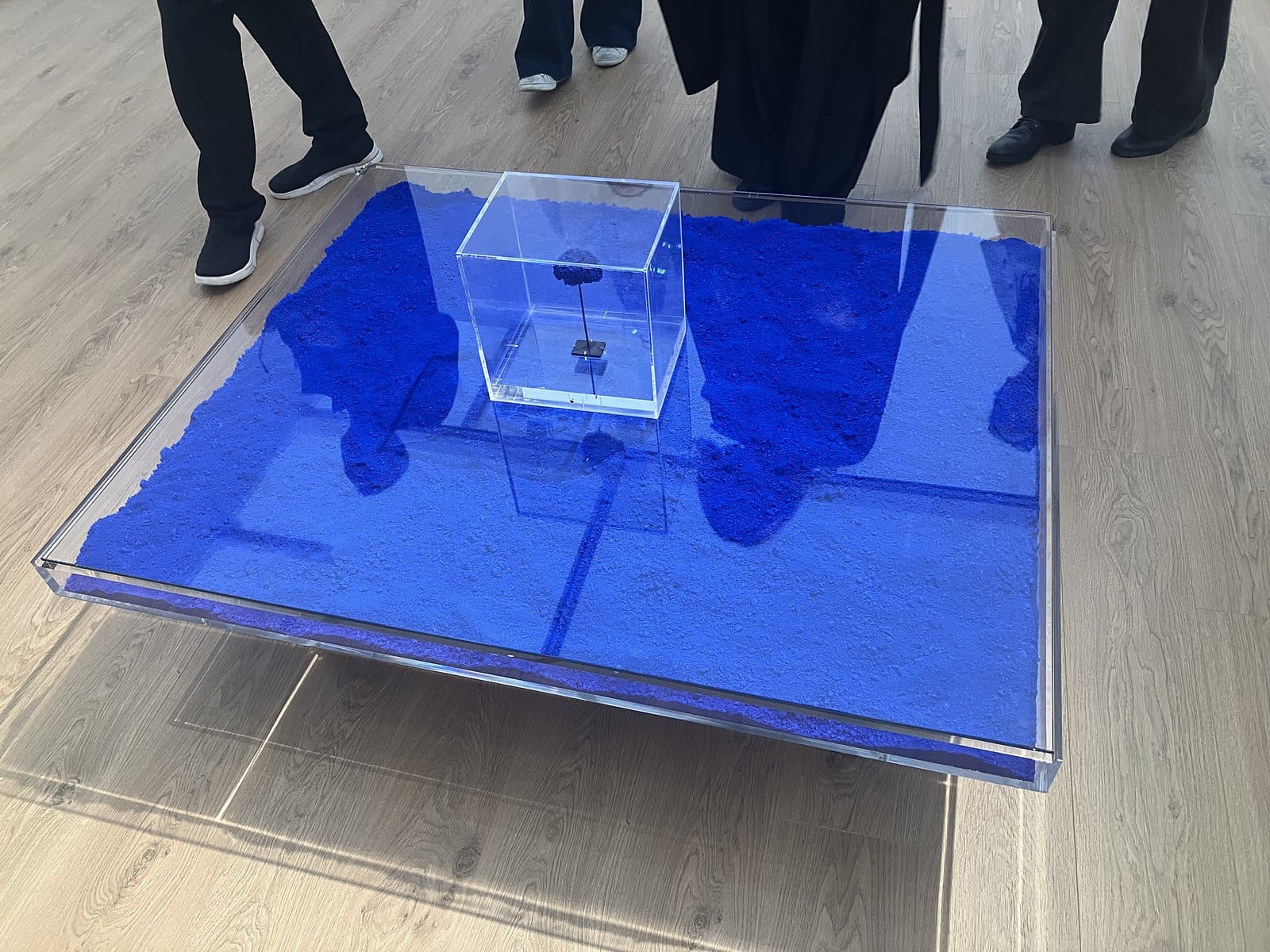
- Yves Klein's blue coffee table, the Table Bleue, filled with his blue pigment, with people gathered round it on the floor.
Did our Frieze Masters picks deliver?
Before the fair, our Frieze London 2026 guide named five things to find at Frieze Masters. Here's how they held up in person.
- The Head of Sekhmet at ArtAncient: incredible, but always begs the question of why are these things not in museums.
- The 1567 shoe-shaped cup at Kunstkammer Georg Laue: as camp as expected and totally wild.
- The Krishna and Radha Pichvai at Prahlad Bubbar: over 2.5 metres of painted temple cloth, with Krishna and Radha among lotuses and peacocks. It held its own in a tent full of paintings.
- Helene Schjerfbeck's Head of Slant-Eyed Lady (Dora) at Åmells Konsthandel: small, pale and quietly intense, on a stand of Nordic women painters from around 1900.
- Ibrahim El-Salahi's Slade-era paintings at Vigo Gallery: rarely seen student work, mostly from his family's collection. Artsy picked the booth as one of the ten best across both fairs.
Masters is still a large offering, and a full day with plenty of breaks outside would be the best way to be sure of seeing it all.
What sold at Frieze Masters 2026
According to Frieze's official Instagram, these were among the sales:
- Hauser & Wirth: Jan Brueghel the Elder's Still Life of Flowers in a Stoneware Vase (c. 1607 to 1608) for around £5 million
- Waddington Custot: Dubuffet's Le malentendu 23 décembre 1976 for £950,000
- Carlton Rochell Asian Art: a 2nd-century Kushan sandstone Avalokiteshvara for over $1 million
- Jacqueline Simcox: four ivory silk satin panels for over £100,000 within the first two hours of preview day
- Richard Saltoun: works from its Spotlight presentation of Manina went to two museums, at up to £150,000
What didn't work
Food and drink always cost too much here: you're a captive audience.
The bigger questions come from the critics. Writing in The Guardian, Jonathan Jones found Masters "more visually exciting than Frieze London", but argued that if it is more interesting, "it is also more disgusting". Stalls, he wrote, rip objects out of context "to display them as brightly lit gewgaws", from a manuscript page cut from its codex to a face mask from an ancient Egyptian coffin. "These things belong in museums," he concluded, calling the fair "a festival of capitalism run amok". It's the same question the Sekhmet head raises. He also pointed to a Triceratops skull on sale, at a time when palaeontologists worry that wealthy buyers are pushing dinosaur fossils out of museums' reach.
On the market side, The Art Newspaper noted that the fair's move towards the Global South is real, but the biggest money still goes on Western Old Masters and modern names, such as the Brueghel at around £5 million. By day two, it reported, sales were mixed and many works were reserved rather than sold.
Then there's the scale. Even with more than one visit, I missed corners of the tent, and one afternoon isn't enough.
Why Frieze Masters still matters
The case for Masters is that it doesn't just recycle the familiar canon. This year, museums bought from the fair: one of the Neels, two of Saltoun's Manina works. Spotlight and Queering Modernism brought in artists who rarely get London wall space. Even Jones conceded the fair's strongest argument: "Over at Frieze Masters, you've got the best certificate of quality there is: time."
Critics also caught the different mood. Gallerist MC Llamas, writing for Artlyst, described "softer lighting, diffused atmosphere, quiet sumptuousness" compared with the crush of Frieze London. Artsy noted the fair's subdued reputation but still found "plenty of surprises".
Is Frieze Masters worth the money?
Weekend general admission to Frieze Masters cost £48, or £59 with first access, and a combined ticket for both fairs was £92 (booking fees extra). Those are the prices Frieze listed in late September. For a few thousand years of art in one tent, £48 is fair, as long as you give it a full day and eat before you go. For next year, our Frieze London 2026 guide covers tickets and times, and our Frieze Week exhibitions post rounds up the free shows around town.
Practical info
The fair is on Gloucester Green, at the north-east corner of The Regent's Park, near London Zoo (NW1 4HA). It's about a 15-minute walk or a shuttle ride from Frieze London. Thursday general admission ran from 1pm to 7pm, Friday and Saturday from 11am to 7pm, and Sunday from 11am to 6pm. Frieze doesn't allow you to bring your own food and drink, so plan breaks outside in the park.
Frieze Masters review: the verdict
Frieze Masters remains the more refined and gentler half of Frieze Week, and this year Queering Modernism gave it a clear thread to follow. Ruth Bernhard and Alice Neel were the best of it, and the Rossetti at Philip Mould was astounding.
Cool Factor
★★★★☆
4 out of 5
Overall, a solid 4/5 Stone cold. The range earned it, from a 3,400-year-old head of Sekhmet to Jasper Johns's can of brushes, plus a new strand that sent me round the tent looking for gold signs. But it didn't reach Ice cold because of its sheer size, which makes it hard to see properly in one go, and food prices that take advantage of a captive audience. This might be a festival of capitalism, but it also feels like a pop-up museum in the park: to move between modernist masters, treasures from antiquity and everything in between is a visual treat.
Frieze Masters review FAQs
Is Frieze Masters worth visiting?
Yes, if you give it a full day with breaks. A weekend ticket cost £48 this year, and the fair spans antiquity to the late 20th century in a single tent.
How much are Frieze Masters tickets?
In 2026, weekend general admission was £48, first access was £59, and a combined ticket for both fairs was £92, plus booking fees. Child tickets were £10.
Where is Frieze Masters?
On Gloucester Green, at the north-east corner of The Regent's Park, near London Zoo. Frieze London is at the south end of the park.
What's the difference between Frieze London and Frieze Masters?
Frieze London is the contemporary fair, focused on living artists and work made mainly after 2000. Frieze Masters covers everything from antiquity to the late 20th century. Under Frieze's rules, works must be made before 2000, or before 2010 if the artist was born before 1950. That's why a 1520s royal portrait, a Rossetti drawing and a 1978 Ron Gorchov can share a tent. A combined ticket gets you into both.
What is Queering Modernism at Frieze Masters?
It's a new curated strand for 2026 by Anke Kempkes, spread across the fair rather than in one section. It highlights queer artists and subjects from early modernism to the 1980s, from Alice Neel and Ruth Bernhard to Claude Cahun and Luis Fernando Zapata.
More from CoolCuration
- British Art Fair review: how a smaller London fair compared, from a Sickert study to a Hockney for £800.
- V&A LGBTQIA+ tour review: a free, volunteer-led walk through queer stories in the V&A's collection.
- National Art Pass: half-price entry to big exhibitions and free entry to hundreds of museums.
- Howard Hodgkin Indian Leaves print: a British modernist on your own wall for far less than Frieze prices.
- Gifts for artists: our edit of tools, books and prints for people who make things.
- theprintspace discount code: gallery-quality printing for your own photos and artwork.
What's trending





Recent posts
- Frieze Masters Review 2026: Old Masters, Queering Modernism and Alice Neel
 Frieze Masters review 2026: a few visits to Regent's Park, from a 1520s royal portrait to Alice Neel and the new Queering Modernism strand. 4/5 Stone cold.
- Best Easy Access Savings Accounts UK: October 2026 RatesLast updated: 21 October 2026. I checked every rate on this list of the best easy access savings accounts on the provider's own website on 20 October 2026. By Stiv · Design, technology and personal finance Affiliate disclosure: This article contains affiliate and referral links, which are paid links. If you click one and buy… Read more: Best Easy Access Savings Accounts UK: October 2026 Rates
- Autumn Budget Predictions 2026: What Healey Could AnnounceAutumn Budget predictions for 28 October 2026: every rumour on tax, ISAs, pensions and fuel duty, and what is already confirmed.

No Comments.