
Last updated: 19 July 2026
By Stiv · Design, technology and personal finance
This article contains affiliate links. If you buy through them I may earn a small commission at no extra cost to you. It does not change my view.
The reusable coffee cups that actually survive real life
I have carried a lot of reusable coffee cups over the years, and honestly, most of them let me down in the end. So this is my straight-talking pick of the best reusable coffee cups in the UK for 2026. First, a quick rule I live by: a coffee cup should look like a coffee cup, seal well, survive the dishwasher, and ideally keep solid plastic away from your hot drink. Bottles, meanwhile, are a different thing entirely.
The brief
What makes a good reusable coffee cup
Before the picks, here is the thinking. It is simple, and it saves you money in the long run.
First, it has to read as a cup. A barista should glance at it and simply fill it, with no confusing is-that-a-flask pause at the counter. Second, it needs to seal well, because a leaky lid in your bag ruins the whole idea. Third, it should survive the dishwasher, since I am not hand washing a cup every single day. Finally, I would rather avoid solid plastic pressed against hot coffee, for reasons I will come to. Bottles, by contrast, are a separate category. They are brilliant for water. They just are not coffee cups, however much the internet wants them to be.
The picks
The reusable coffee cups I rate
These are ranked the way I actually use them, not the way a spec sheet would rank them.
KeepCup Brew Cork (glass, 12oz)

My everyday cup: tempered glass and a cork band, and it reads as a cup so baristas just fill it.
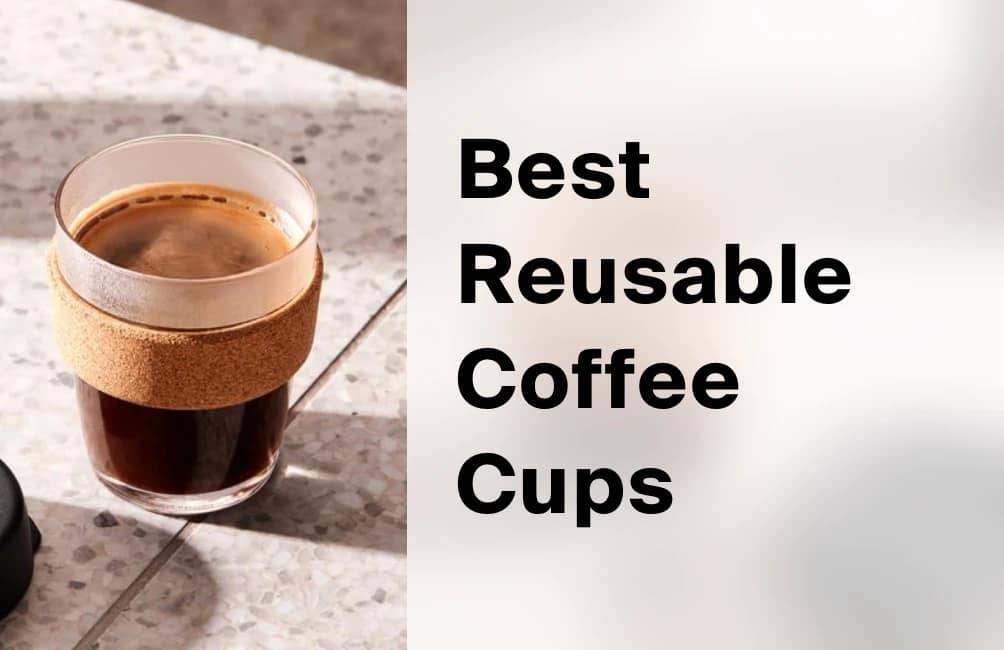
This is the cup I reach for every day, and it is my clear number one. It is tempered glass, so it never taints the taste, and it has lasted me years. Crucially, it reads as a cup, not a flask. So baristas just take it and fill it, with none of the awkward pause. The silicone lid seals well for the walk to my desk. Plus the removable cork band lets me hold it full of hot coffee without wincing. It also goes straight in the dishwasher and comes out clean. The one honest catch: glass can break if you drop it. For me, though, that trade is well worth the longevity and the clean taste.
for the daily flat white you actually want to drink from
£24
Chilly's Coffee Cup (stainless, 340ml)
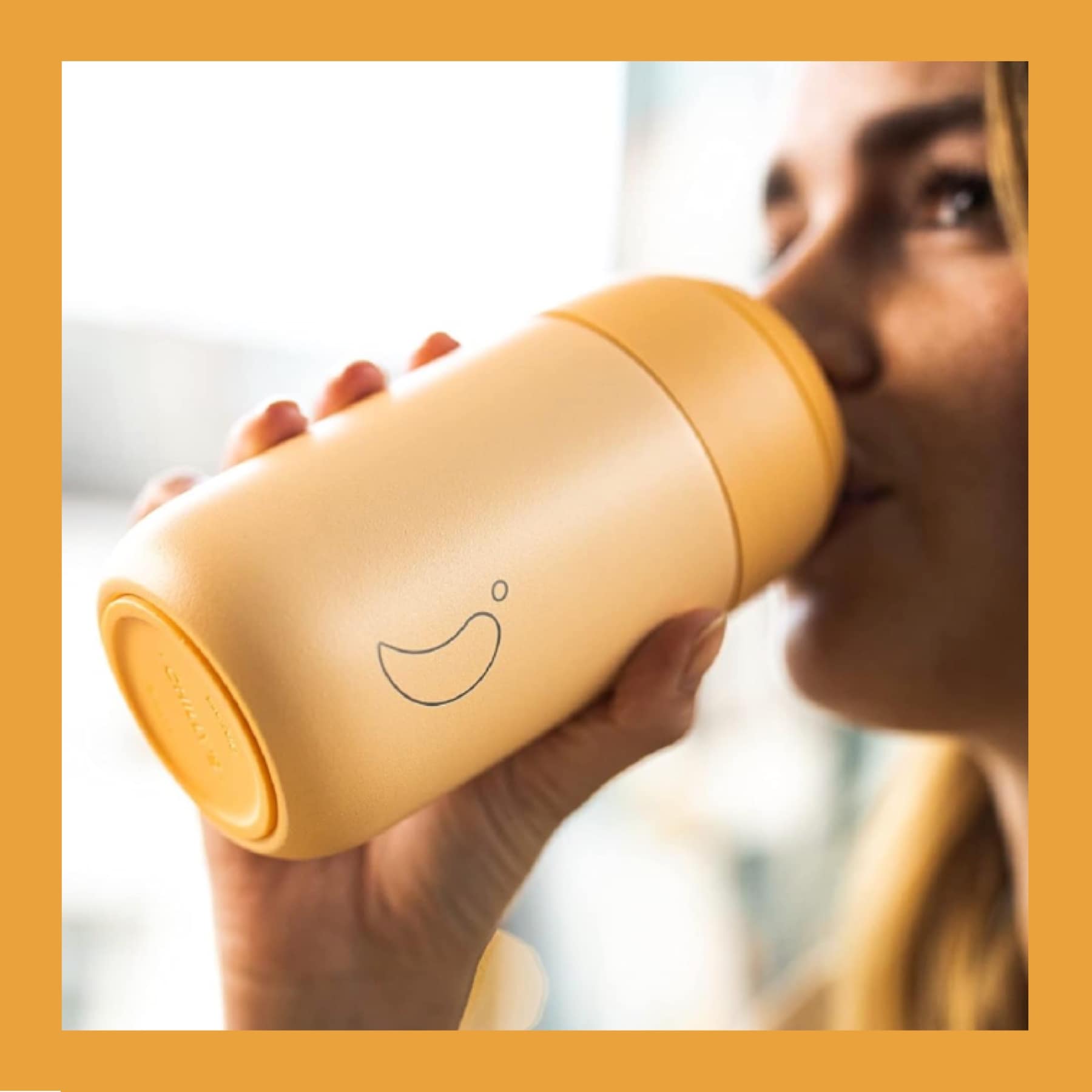
Chilly's takes second place, and it earns it on toughness. It is double-walled stainless, so it will never shatter. If you have kids, or you are a bit clumsy, that really matters. It keeps coffee hot for hours too. However, it looks like a flask, not a cup. That is the catch across every insulated metal cup: baristas hesitate, so the refill dance gets a bit confusing. It is also not dishwasher safe, which means you are hand washing it. Still, for sheer hardwearing utility, nothing else here beats it.
for clumsy hands, busy commutes and kids in the mix
£25
Frank Green Ceramic Reusable Cup (12oz)
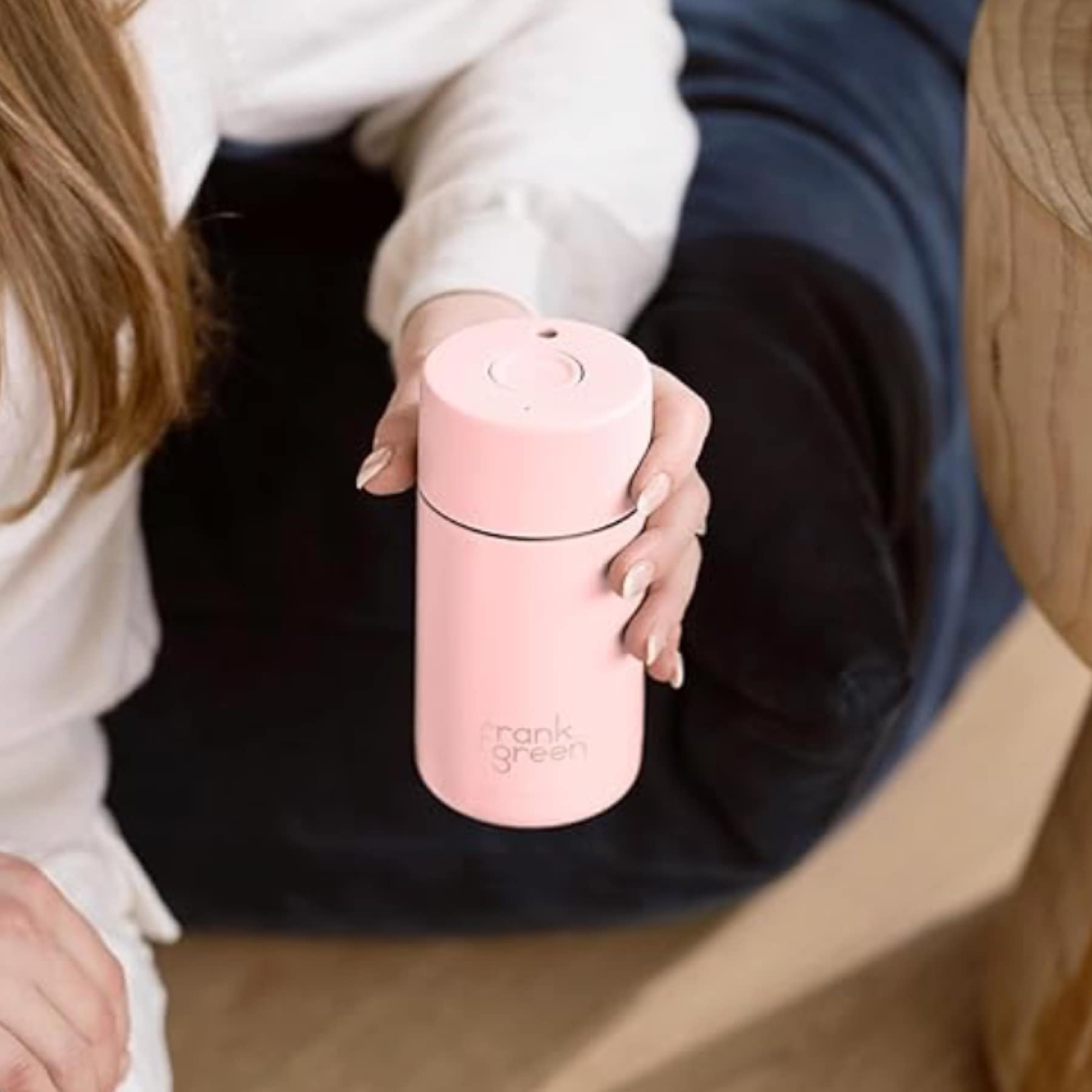
Frank Green is the nicest of the metal-bodied lot. The ceramic lining means no metallic tang, so your coffee genuinely tastes like coffee. It keeps heat in well, and the push-button lid is a smart bit of design. But here is my problem: it still looks like a flask. And a flask confuses the counter, which is unhelpful when you just want a quick refill. The lid is dishwasher safe, while the base is hand wash only. So it is a lovely object, yet slightly the wrong shape for my brief.
for the flavour purist who hates a metallic aftertaste
£30
JOCO Glass Cup (12oz)
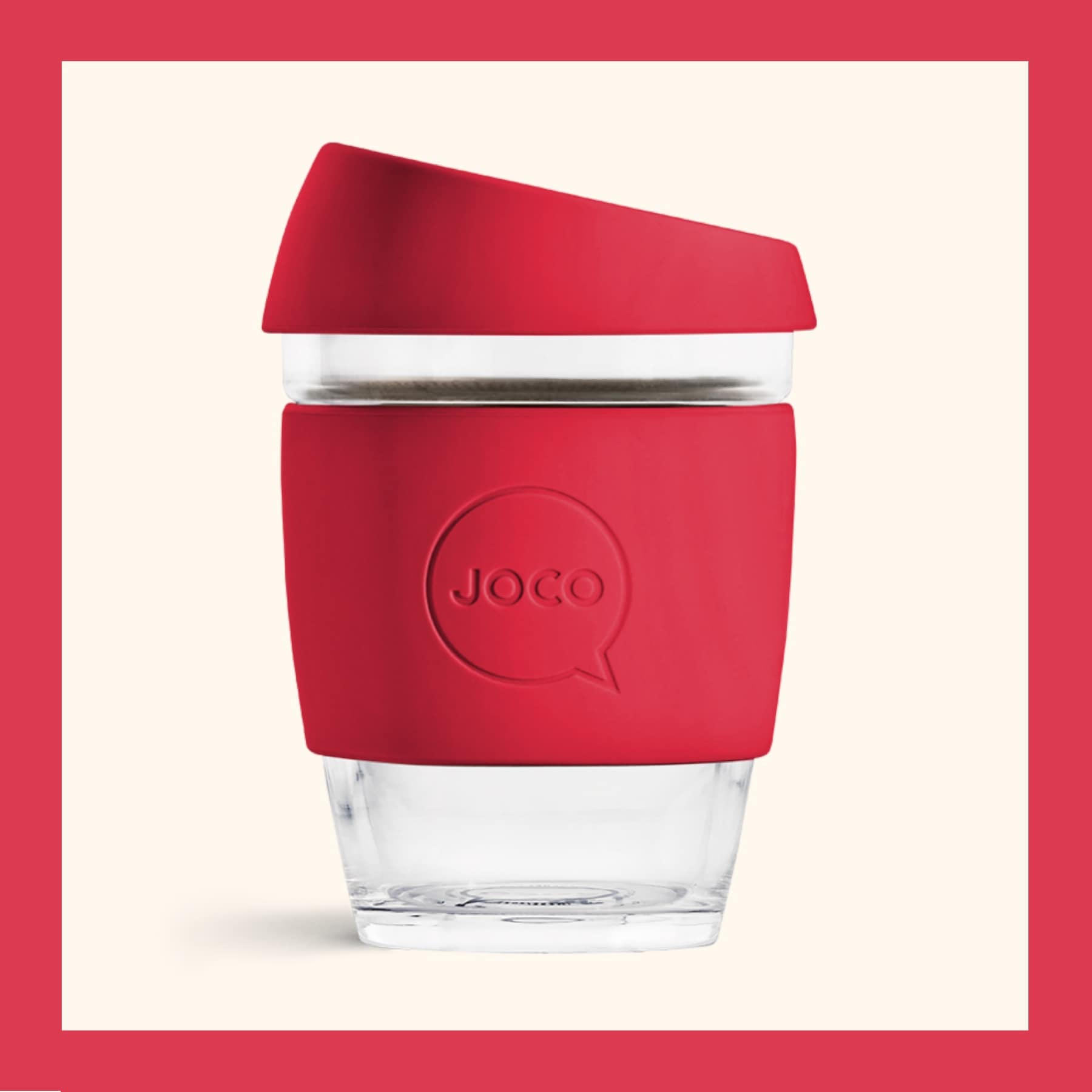
I have not lived with a JOCO, so treat this as researched rather than tested. On paper, though, it is the closest rival to my KeepCup. It is borosilicate glass, fully plastic-free, and it uses a silicone lid and sleeve. The Guardian once voted it their best reusable cup, for what that is worth. It is also top-rack dishwasher safe, and it comes in barista-standard sizes. So if you want the glass upside with a slightly softer, sleeve-wrapped feel, it is well worth considering.
for anyone who wants the glass upside in a softer shell
£25
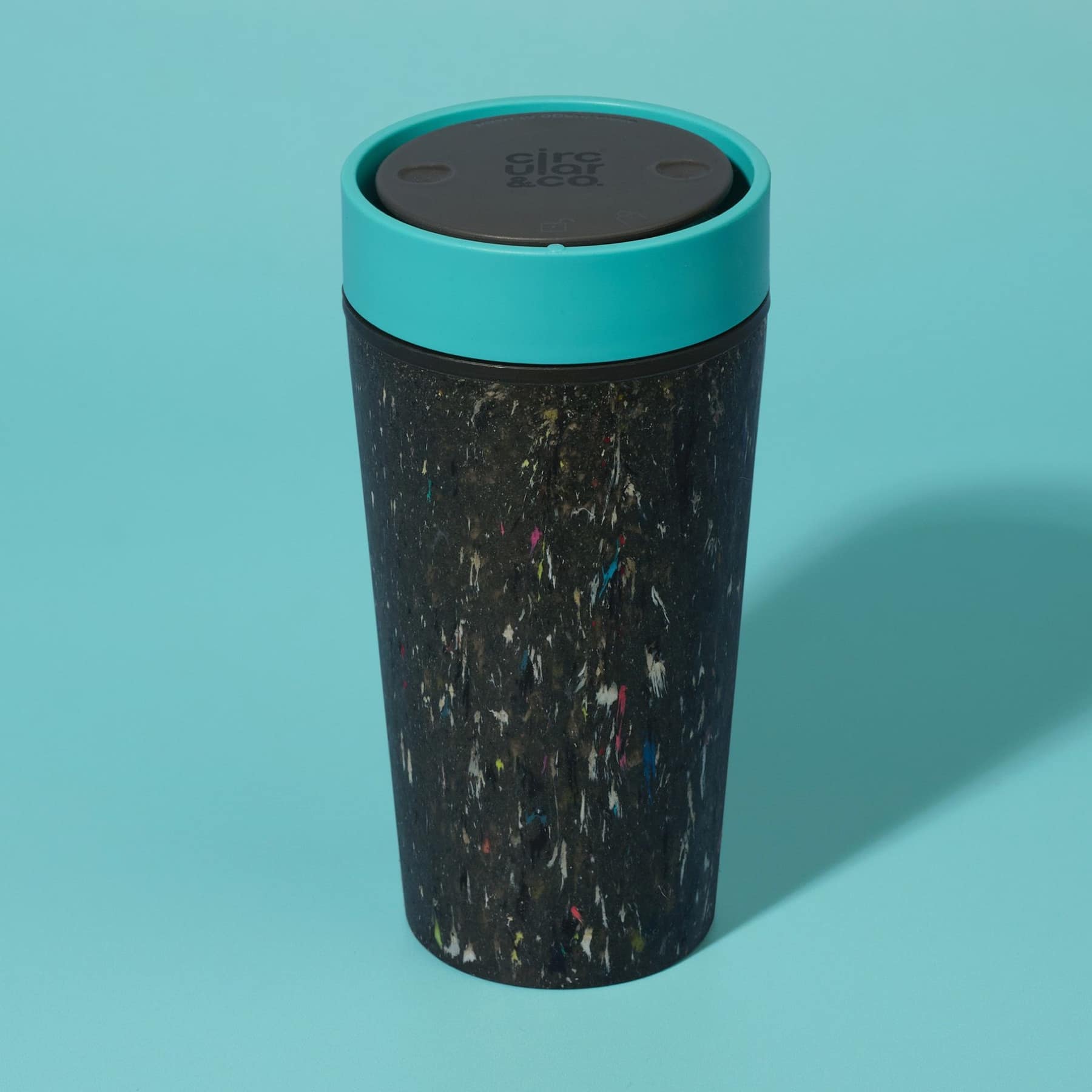
Circular&Co Reusable Coffee Cup (12oz)
I really wanted to love this one. The pitch is brilliant, after all: each cup is made from recycled single-use paper cups, so it starts life saving waste. In daily use, though, I found the seal underwhelming. The recycled-plastic outer also perished over time. On top of that, the brand says do not put it in the dishwasher, which fails one of my basic tests. And I am wary of solid plastic sitting against hot coffee day after day. So it is a great origin story, yet a mixed everyday experience.
for the recycled origin story, if you can live with the caveats
£22
I asked for coffee in my Ocean Bottle at two different London coffee shops. Both times it came back full of water, because it reads as a bottle.
Form factor
Great bottles, wrong job
Two products people constantly mistake for coffee cups. Both are good. Neither is a cup.
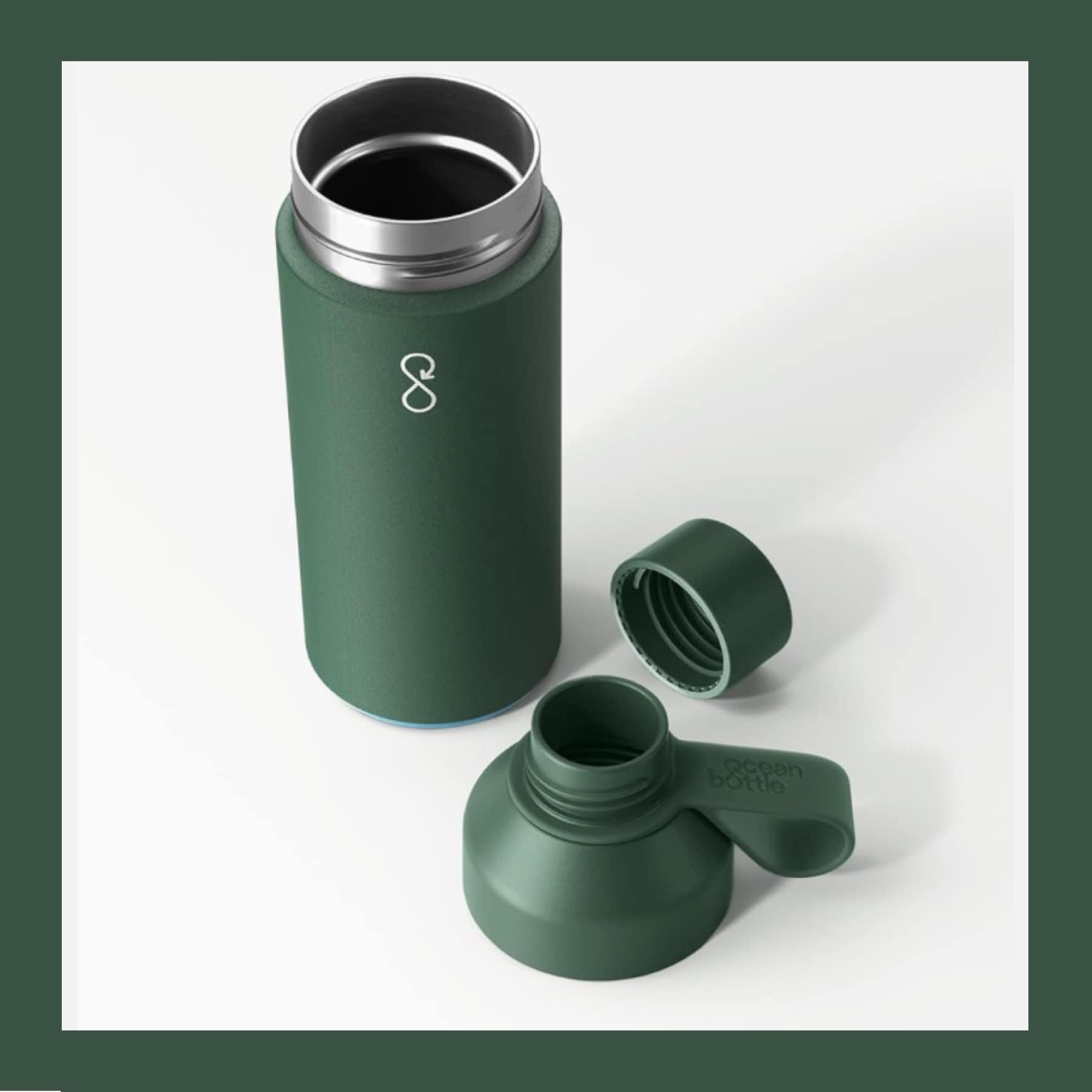
Ocean Bottle
Here is the thing about shape: it tells the barista what to do. The Ocean Bottle is a lovely object, and it funds ocean-plastic collection with every purchase, which I genuinely rate. But it is a bottle. I asked for coffee in it twice, at two different London coffee shops on two different days. Each time, it came back full of water, because the shape simply says water bottle to whoever is holding the jug. That is not a fault. It is just the wrong job. For coffee, therefore, reach for an actual cup.
£35
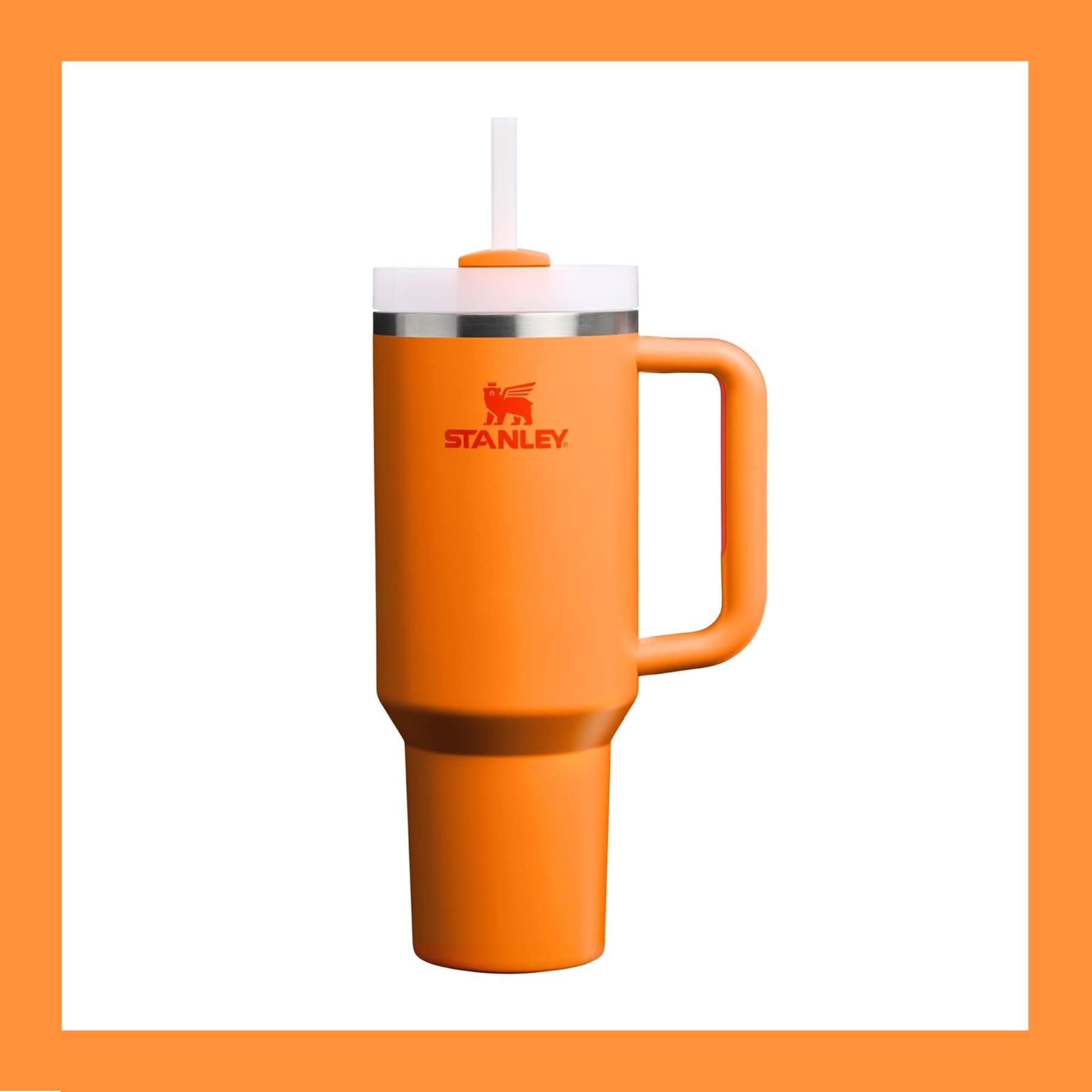
Stanley Quencher
The Stanley Quencher gets the same verdict. It is everywhere right now, and honestly, that is part of why it leaves me a little cold. It is also enormous. A 40oz, 1.2 litre tumbler is not a coffee cup, it is a small reservoir. As a bottle it is perfectly fine. Personally, though, I would rather carry a cup for coffee and a bottle for water, instead of one giant tumbler pretending to be both.
£45
Buyer beware
What I would skip
Two things I would leave on the shelf, and I will tell you exactly why.
First, the Stojo collapsible. I tried it, and sorry, I did not get on with it. The silicone tends to take on the taste of dishwasher tablets. You can hand wash to dodge that, but I am lazy, so that is a real-world problem for me. I also disliked the feel of the silicone generally. To be fair, it does stay only warm to the touch, which is clever engineering. Even so, something about a full silicone lid always feels off to me. For packability it wins easily. For daily joy, though, it lost me.
Second, bamboo-fibre cups. This one is a proper buyer-beware. German consumer testing by Stiftung Warentest found that many released melamine and formaldehyde into hot drinks. As a result, several EU states restricted bamboo fibre in food contact. To its credit, Ecoffee reformulated to plant-based PLA. Still, if a cup is a bamboo-and-melamine mix, I would happily leave it on the shelf.
The science bit
Materials, heat and microplastics
The thread running through every one of my picks, kept measured and honest.
I would simply rather not press solid plastic against a hot drink every single day. This is not scaremongering, to be clear. Peer-reviewed research on single-use plastic cups shows they shed microplastics, and that heat increases the release. Reviews of the wider evidence found the jump from cold to hot water can raise particle release by roughly a third. So glass, ceramic and stainless move to the top of my list, while plastic-bodied cups slide down it. Silicone is body-safe, of course. Then again, so was BPA, right up until it was not. I just prefer less plastic near a hot drink wherever I easily can.
The honest bit
Sustainability and the break-even point
Reusables are not automatically green. You actually have to reuse them.
Let me be balanced here, because the marketing rarely is. One life-cycle assessment found that plastic and steel cups need at least 54 uses to beat single-use paper on climate impact. Ceramic can take a couple of hundred. Washing matters too, since a hot dishwasher cycle adds its own footprint. So the honest takeaway is simple. Buy one good cup, keep it for years, and use it constantly. That is where the real benefit lives, not in owning five different ones.
Money
Value for money
What should you actually spend on reusable coffee cups?
For me, the sweet spot sits around £24 to £30. My KeepCup was £24, and it has served me for years, which makes it one of the cheapest things I own on a per-use basis. Chilly's and Frank Green cost a touch more, yet both should easily outlast a decade of takeaways. On top of that, more and more coffee shops now knock money off when you bring your own cup. Personally, I have seen anything from 10p to 50p a time. You cannot bank on it, of course, but those little discounts do stack up. So you get the environmental win, plus a small daily saving on the side. If you want more low-waste swaps to pair with a new cup, I have rounded up my favourite sustainable gifts and housewarming picks too.
Frequently asked questions
Are reusable coffee cups worth it?
Yes, in my experience they are, provided you actually use them. Because the break-even point runs to dozens of uses, a cup you carry daily quickly pays for itself. Meanwhile, a cup that lives in a cupboard does not. So the trick is buying one you genuinely like enough to reach for every morning.
Is glass or stainless steel better for a reusable coffee cup?
Both work, so it depends on your life. Glass, like my KeepCup, keeps the taste clean and looks like a proper cup. Stainless, like Chilly's, is far tougher and will never shatter, which suits kids and clumsy hands. Personally, I lean glass for taste and stainless for durability.
Are bamboo coffee cups safe?
Be careful here. Older bamboo-fibre cups often used melamine resin, and testing found they released melamine and formaldehyde into hot drinks. As a result, several EU countries restricted them. Some brands have since reformulated, so check the current material before you buy.
Can you get coffee served in your own cup?
Usually, yes, and most independents are happy to. However, it helps enormously if your cup actually looks like a cup. A flask or a bottle confuses the barista, whereas a KeepCup or JOCO gets filled without a second thought. Better still, many cafes now take 10p to 50p off when you bring your own.
How many uses does it take to break even?
It varies by material and washing method. Broadly, though, one life-cycle assessment put plastic and steel cups at least 54 uses to beat paper on climate, while ceramic can take a couple of hundred. So the honest answer is: keep one cup for years rather than churning through several.
Is the KeepCup dishwasher safe?
Yes, the KeepCup Brew glass range is dishwasher safe, which is a big part of why I rate it. I put mine through the dishwasher constantly, and it comes out clean. That said, do drop it gently, because the tempered glass will still break on a hard floor.
More reusable and low-waste picks
- Carbon-conscious gift guide: more low-impact ideas for the eco-minded person in your life.
- Exhale carbon-negative coffee: proper beans to actually put in your shiny new cup.
- Oddbox veg boxes: cut food waste at home with wonky-veg deliveries to your door.
- Best ethical phone cases: another everyday swap that treads a little lighter.
- Gifts for coffee lovers: a full round-up for the caffeine obsessive who has everything.
What's trending






Recent posts
- Best Audiobooks October 2026: 10 UK Listens Ranked
 Ten new audiobooks for October 2026, from a full-cast Dracula with Jonathan Bailey to Russell T Davies reading his own television memoir.
 - Louis Fratino at David Zwirner ReviewLast updated: 4 October 2026 By Tristan · Arts, exhibitions and creative culture This is an opinion piece. Views expressed are the author's own and do not constitute professional advice. Exhibition reviewMayfair Saunas, subway cars and a lot of skin in Mayfair Louis Fratino at Zwirner is the American painter's first solo show in London,… Read more: Louis Fratino at David Zwirner Review
- What Is a Sprive Boost? Seven Days, and What It Actually PaysA Sprive boost lifts your cashback rate for seven days, and it arrives on its own. What mine paid, and why Supercharge is a display toggle rather than extra cashback.


No Comments.