The Bank of England base rate is 3.75% after a 6 to 3 vote on 17 September 2026. What the hold means for mortgages, savings and energy bills.

September 17, 2026Comments are off for this post.
Bank of England Base Rate: Where It Stands and What It Means
August 31, 2026Comments are off for this post.
Should You Fix Your Energy Tariff Before October?
Last updated: 13 October 2026
By Stiv · Design, technology and personal finance
EnergyFix or float · October 2026
Ofgem says fix. I checked the sums.
Ofgem reckons you can beat the October cap by £100 or more, so the obvious question is whether to fix your energy tariff before it lands on 1 October. So I ran the only supplier prices you can check without handing over a postcode against Ofgem’s own regional cap tables. On 30 August, Octopus’s twelve month fix beat the cap in every region of Britain, by £47 to £82. The version on sale since 11 September costs more than the cap in every region, by £75 to £117.
Update, 17 September 2026. Octopus withdrew the 12M Fixed tariff I first tested on 5 September. I have re-run the test on its replacement, on sale since 11 September, and the table and chart below now show those prices. The 12-month fix costs £75 to £117 a year more than the October cap in every region, £93 on average. Octopus 18M Fixed lands between £7 below and £33 above it. The Bank of England held its base rate at 3.75% on 17 September. That decision does not set energy prices, but the rising energy costs behind it are the same ones pushing fixed tariffs up. More on that on my Bank of England base rate page.
This article contains affiliate and referral links, which are paid links. If you click one and buy or sign up, I earn a commission or referral bonus at no extra cost to you. Brands don't choose what I feature or what I say about them.
This is not financial advice, and CoolCuration is not FCA authorised. Tariffs, rates and offers change constantly, so always check the supplier’s own site before you commit.
Thinking about switching as well as fixing?
My Octopus Energy page keeps the current switching credit and the sign-up steps up to date, so you are never working from a stale offer.
See the Octopus referral offer
Read more
August 27, 2026Comments are off for this post.
Energy Price Cap October 2026: What the £60 Rise Means
Last updated: 17 September 2026
By Stiv · Design, technology and personal finance
EnergyOfgem · October 2026
Up £60 a year, and two right answers
Ofgem confirmed the energy price cap October 2026 on Wednesday morning. A typical direct debit household paying for gas and electricity moves from £1,663 to £1,723 a year. That is £60 more, or roughly £5 a month. Meanwhile you will also see £1,935 quoted elsewhere, plus a 4% figure sitting awkwardly next to a 3.6% one. None of those numbers are wrong, and the reasons come down to VAT and a change in how Ofgem measures a typical home.
This article contains affiliate and referral links, which are paid links. If you click one and buy or sign up, I earn a commission or referral bonus at no extra cost to you. Brands don't choose what I feature or what I say about them.
This is not financial advice. Cap rates, tariffs and offers change often. So always check the current terms on the supplier’s own site first.
Weighing up a switch before October?
My Octopus Energy page keeps the current referral credit and the switching steps up to date. That way you are not working from a stale offer.
See the Octopus referral offer
Read more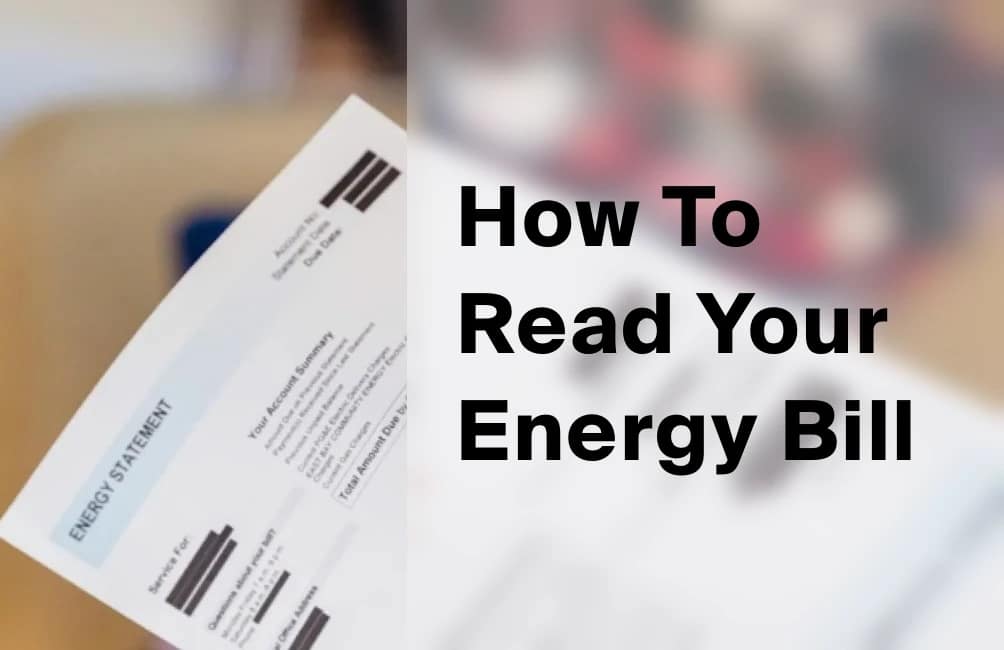
May 10, 2026Comments are off for this post.
How To Read Your Energy Bill UK: The 2026 Guide
Last updated: 27 August 2026
By Stiv · Design, technology and personal finance
This article contains affiliate and referral links, which are paid links. If you click one and buy or sign up, I earn a commission or referral bonus at no extra cost to you. Brands don't choose what I feature or what I say about them.
Your energy bill arrives every month. You glance at the total, wince, and close it. Most of us have no clue whether the number is right, whether we're overpaying, or what any of the line items actually mean. So here's how to read energy bill statements properly, in about five minutes flat.
Honestly, we stared at our own bills for nearly three years before any of it clicked. The numbers looked made up. The terminology was designed by people who hate clarity. Once you understand the four or five lines that actually matter, you can immediately tell if you're overpaying, if your tariff is competitive, and whether switching would save you money. This is the guide we wish we'd had back then.
Energy prices, tariffs, and government support schemes change regularly. All figures in this post are verified as of 27 August 2026. Always check your supplier's website or Ofgem for the latest information.
Read more
May 7, 2026Comments are off for this post.
How to Switch Business Energy UK: A Small Business Guide (2026)
Last updated: 27 August 2026
By Stiv · Design, technology and personal finance
This article contains affiliate and referral links, which are paid links. If you click one and buy or sign up, I earn a commission or referral bonus at no extra cost to you. Brands don't choose what I feature or what I say about them.
If you run a small business in the UK and you want to switch business energy, you're in the right place. Most business owners never actively choose their energy supplier. They just inherit whoever supplied the premises and carry on paying whatever lands in the inbox. That's an expensive way to run things, and once you understand why, the fix is surprisingly simple.
This article is for informational purposes only and does not constitute business or financial advice. Energy prices change frequently. Always verify current rates directly with suppliers.
Business energy is a different world to domestic. There's no price cap protecting you, the VAT is higher, and the market is full of brokers trying to lock you into long contracts. Several of us on the CoolCuration team are freelancers or run small businesses, so we've been through this process ourselves. Here's what we learned.
Read more
April 6, 2026Comments are off for this post.
Octopus vs Ovo Energy 2026: Which UK Supplier Is Better?
Last updated: 17 September 2026
By Stiv · Design, technology and personal finance
If you're weighing up Octopus vs Ovo for your next energy switch, you're not alone. Both are major UK suppliers, both talk a big game on green energy, and both want your direct debit. So which one actually delivers? In this head-to-head comparison, I compare pricing, customer service, green credentials, smart tariffs, and everything else that matters when choosing between Octopus Energy and Ovo Energy in 2026.
This is an opinion piece. Views expressed are the author's own and do not constitute professional advice.
This article contains affiliate and referral links, which are paid links. If you click one and buy or sign up, I earn a commission or referral bonus at no extra cost to you. Brands don't choose what I feature or what I say about them.
Leaning towards Octopus? How to switch, which tariff to pick and how the referral credit works are all in my Octopus Energy guides hub.
Read more
March 28, 2026Comments are off for this post.
Is Octopus Energy safe?
Last updated: 17 September 2026
By Stiv · Design, technology and personal finance
This article contains affiliate and referral links, which are paid links. If you click one and buy or sign up, I earn a commission or referral bonus at no extra cost to you. Brands don't choose what I feature or what I say about them.
Yes. Octopus Energy is regulated and licensed by Ofgem, meaning it must meet the same legal, financial and consumer protection standards as other major UK energy suppliers.
Quick answer
- Octopus holds an Ofgem supply licence.
- Default tariffs are covered by the Ofgem price cap.
- Customers are protected under Supplier of Last Resort rules.
- Complaints can escalate to the Energy Ombudsman.
If you're comparing switching options, you can see how joining works here: Octopus Energy switch process.
Want the rest of the Octopus picture? Tariffs, exit fees and the referral credit are all in my Octopus Energy guides hub.
Read more
March 27, 2026Comments are off for this post.
How to Cut Household Bills in the UK: 7 Realistic Ways to Save
Last updated: 27 August 2026
By Stiv · Design, technology and personal finance
This article contains affiliate and referral links, which are paid links. If you click one and buy or sign up, I earn a commission or referral bonus at no extra cost to you. Brands don't choose what I feature or what I say about them.
The average UK household now spends well over £2,800 a month on bills and living costs. Energy alone accounts for £1,723 a year from October 2026 under the Ofgem price cap, and that is before winter usage climbs. Our energy price cap October 2026 guide has the full breakdown. Council tax is rising again. Broadband providers are quietly adding £3–4 a month to existing contracts. It all adds up fast.
So how do you actually cut household bills in the UK without making your life miserable? This guide covers seven realistic ways to reduce what you pay each month across energy, your mortgage, food shopping, broadband, mobile and more. Every suggestion links to a deeper guide or a tried-and-tested deal on this site, so you can act on each one straight away.
Read more
March 18, 2026Comments are off for this post.
Octopus Agile vs Tracker: Which Smart Tariff Saves More? (2026)
Last updated: 27 August 2026
By Stiv · Design, technology and personal finance
This article contains affiliate and referral links, which are paid links. If you click one and buy or sign up, I earn a commission or referral bonus at no extra cost to you. Brands don't choose what I feature or what I say about them.
Choosing between Octopus Agile vs Tracker comes down to how much pricing volatility you're willing to accept and how actively you want to manage your energy usage. Both tariffs follow wholesale markets, but they work very differently. Tracker changes your unit rate once per day. Agile changes it every 30 minutes. And while Tracker covers both gas and electricity, Agile is electricity-only.
Quick comparison
- Tracker: daily rate, covers gas and electricity, moderate volatility.
- Agile: half-hourly rate, electricity only, high volatility but negative pricing possible.
- Both require a SMETS2 smart meter (or certain SMETS1 models).
- Both have no exit fees.
- Both include Price Cap Protect at 100p/kWh for electricity.
If you're exploring Octopus more broadly, keep switching and referral details centralised here: Octopus Energy referral guide.
Decided on a smart tariff?
Whichever you pick, the current Octopus sign-up credit and steps are on my referral page.
Claim the Octopus sign-up credit
Still deciding whether Octopus is right for you? Switching, leaving and the referral credit are all covered in my Octopus Energy guides hub.
Read more
March 9, 2026Comments are off for this post.
Is Octopus Energy Regulated by Ofgem? UK Licensing and Consumer Protection (2026)
Last updated: 27 August 2026
By Stiv · Design, technology and personal finance
This article contains affiliate and referral links, which are paid links. If you click one and buy or sign up, I earn a commission or referral bonus at no extra cost to you. Brands don't choose what I feature or what I say about them.
Yes. Octopus Energy is regulated by Ofgem, the UK's independent energy regulator. That means Octopus must follow the same consumer protection rules, pricing regulations and licensing requirements as every other domestic energy supplier in Great Britain. In practical terms, this covers everything from how you're billed to how quickly you can switch and what happens if things go wrong.
Quick answer
- Octopus Energy holds both gas and electricity supply licences from Ofgem.
- Default tariffs are subject to the Ofgem price cap.
- Switching, billing and complaint handling rules all apply.
- Customers can escalate unresolved complaints to the Energy Ombudsman.
- If Octopus ever failed, the Supplier of Last Resort (SoLR) process would protect your supply and credit balance.
If you're reviewing suppliers and want to see how switching works in practice, start here: Octopus Energy switch process.
Reassured and ready to switch?
The current Octopus new-customer credit is listed on my referral page, kept up to date.
Checking Octopus out before you switch? My Octopus Energy guides hub collects the safety, tariff and referral guides in one place.
Read moreFollow us: Instagram
Copyright 2026 CoolCuration | Privacy Policy | Cookie Policy | Affiliate Disclosure | Cool Factor
-----------
We are proud supporters of a safer more private internet via encouraging people to use Brave browser and are actively taking on Spammers as part of ProjectHoneypot. This site is hosted on servers that run on 100% renewable energy in the UK thanks to GreenWebHosting.
This site contains affiliate links, including to Amazon.com and Amazon.co.uk. We may earn a commission if you make a purchase or sign up for a service via these links, at no extra cost to you. All offers and promotions are accurate at the time of publication but are subject to change or withdrawal by the businesses featured. We cannot guarantee their continued availability. Read our full affiliate disclosure.
Reviews and opinions on CoolCuration reflect the personal experience of our writers at the time of publication. They are not professional endorsements and your experience may differ. Scores use our Cool Factor rating system and are given independently of any commercial relationship.
All content on CoolCuration is provided for informational and entertainment purposes only. It does not constitute financial advice, investment recommendations or an endorsement of any product or service. We are not authorised by the Financial Conduct Authority and do not offer personalised financial guidance. You should always do your own research or consult a qualified financial advisor before making any financial decisions.