
Last updated: 20 October 2026
By Stiv · Design, technology and personal finance
This article is for informational purposes only and does not constitute financial advice. Always do your own research or consult a qualified financial adviser before making any financial decisions.
This article contains affiliate and referral links, which are paid links. If you click one and buy or sign up, I earn a commission or referral bonus at no extra cost to you. Brands don't choose what I feature or what I say about them.
Capital at risk. The value of investments can go down as well as up and you may get back less than you invested. Past performance is not a reliable indicator of future results.
Update, 20 October 2026. The next Budget is on Wednesday 28 October 2026, the first from Chancellor John Healey. My Autumn Budget predictions cover every rumour so far and which of the 2025 changes below are already law.
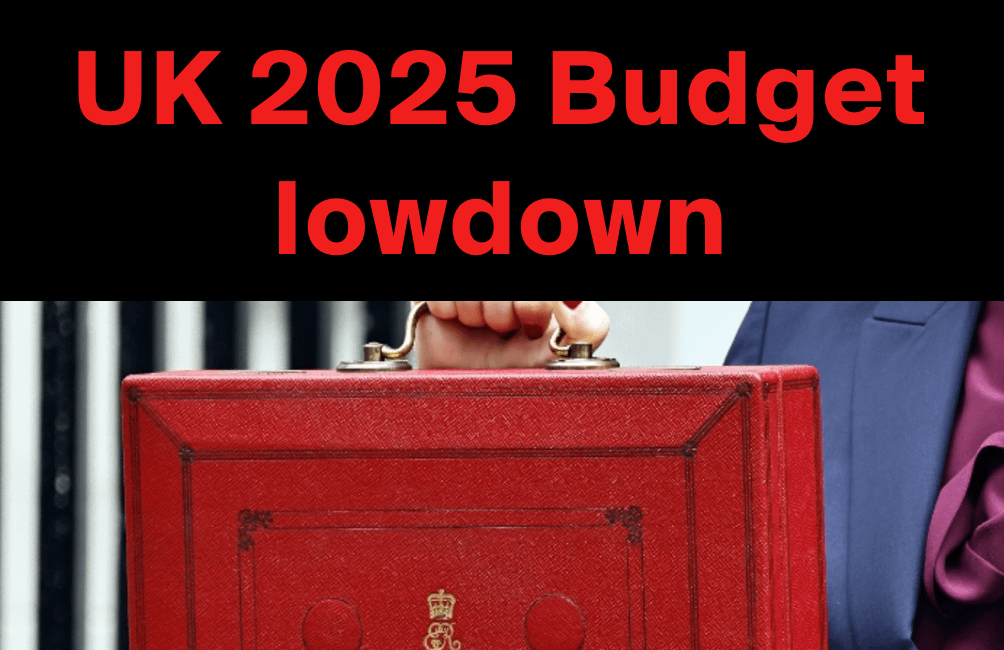
The UK Budget 2025 landed on 26 November, with Chancellor Rachel Reeves announcing a package of measures that quietly raise the tax burden on millions of households. So while headline Income Tax and VAT rates stay put, the Autumn Budget 2025 freezes thresholds, cuts the cash ISA allowance and raises taxes on dividend and savings income, hitting earners, savers and investors in ways that are easy to miss at first glance.
Here is what changed, when it takes effect, and what it could mean for your finances.
Key changes at a glance
- Income Tax and National Insurance thresholds frozen until 2031
- Cash ISA allowance for under-65s cut from £20,000 to £12,000 from 2027
- Salary-sacrifice pension contributions above £2,000 annually lose their National Insurance advantage from 2029
- Dividend tax rates rise by 2 percentage points from April 2026, and savings and rental income tax rates by 2 points from April 2027
- New surcharge on homes worth £2 million or more, from April 2028
Frozen thresholds: the quiet tax rise
The most significant personal tax change is not a rate rise, it is a freeze. The Budget keeps Income Tax and National Insurance thresholds at their current levels until April 2031. Because wages generally rise with inflation, more earners will gradually move into paying tax, or into higher bands, over the next six years. This is what economists call "fiscal drag", and it will pull hundreds of thousands of additional people into higher brackets without any change to the headline rate.
Income Tax rates, National Insurance rates and VAT all stayed put. However, the freeze does much of the same work quietly over time.
Higher taxes on investment income
Tax rates on dividend income rise by 2 percentage points from 6 April 2026. Rates on savings interest and rental income follow from 6 April 2027, rising to 22%, 42% and 47%, according to HMRC. So if you earn income from any of these sources outside a tax-sheltered account, you will pay more. In particular, the change hits income sitting outside an ISA or pension wrapper, which makes those accounts more useful.
If you want to shelter savings or investments ahead of the April 2027 change, it is worth looking at a low-cost investing platform with a stocks and shares ISA wrapper. Freetrade offers a simple ISA with a referral bonus for new sign-ups. Tax treatment depends on the individual circumstances of each client and may be subject to change in future. Capital at risk.
Get a free share with FreetradeAlternatively, Lightyear is worth a look for low-cost ISA investing with no platform fees.
The cash ISA limit cut
From 2027, the annual tax-free limit for cash ISAs falls from £20,000 to £12,000, but only for under-65s. Those aged 65 and over keep the full £20,000 allowance. The government argues this encourages people toward investment-style ISAs rather than low-yield cash accounts. Critics, though, point out it pushes less confident savers into riskier assets before they are ready.
The rule does not touch money already in a cash ISA. However, from 2027, you can save £8,000 less in cash each year. So if you want to use the full £20,000 while it lasts, it is worth planning ahead. Our guide on making the most of your ISA allowance before the deadline covers everything you need to know.
Pensions: salary sacrifice changes from 2029
From April 2029, salary-sacrifice pension contributions above £2,000 per year will no longer attract National Insurance relief, for either the employee or the employer. That removes a major tax advantage many higher earners use to reduce their overall tax bill.
For anyone making modest contributions near or below £2,000 a year, the impact is limited. But for those relying on salary sacrifice as a planning tool, this is a meaningful change worth modelling now rather than leaving until 2028.
Housing and cost of living
A new surcharge applies to properties worth £2 million or more from April 2028, potentially reaching £7,500 for the most expensive homes. So if you own or plan to buy at that level, it is worth factoring this into your calculations early.
On a more positive note, fuel duty stays frozen until September 2026. Rail fares and some prescription costs are also held for a period, modest relief given broader cost pressures. Additionally, the two-child benefit cap lifts from April 2026, which will benefit larger families directly.
If the Budget has you thinking about whether to overpay your mortgage or invest spare cash, our guide on overpaying your mortgage versus investing breaks down the decision clearly.
What you can do right now
This budget rewards planning more than it demands panic. A few practical steps are worth considering sooner rather than later:
- Review how much you hold in cash ISAs and whether a stocks and shares ISA makes sense for your situation
- If you earn dividend or rental income outside a tax wrapper, check whether you can restructure before April 2026
- If you use salary sacrifice heavily, speak to a financial adviser well ahead of the 2029 deadline
- Make the most of the current £20,000 cash ISA allowance while it lasts. The cut to £12,000 lands in 2027
For the full details of what was announced, the Parliament.uk Budget statement page has the complete picture. For a broader introduction to tax-efficient investing, see our beginner's guide to investing in the UK.
Frequently asked questions
When do the UK Budget 2025 changes come into effect?
Dividend tax rises start from April 2026, and savings and rental income tax rises from April 2027. The cash ISA allowance cut for under-65s takes effect in 2027. Salary-sacrifice pension changes land in April 2029. The Income Tax and National Insurance threshold freeze is already running and continues until 2031.
How will frozen thresholds affect my take-home pay?
As wages rise with inflation, a larger share of your pay crosses into taxable bands, even though rates themselves have not changed. Because this compounds over time, the longer the freeze runs, the bigger the cumulative impact on most earners.
I already have a cash ISA. Will my existing savings be affected?
No. The rule only limits how much you can add each year from 2027 onwards. It does not touch money already saved in a cash ISA. Until the change kicks in, you can still save up to £20,000 per year.
Does this affect my pension if I make small salary-sacrifice contributions?
If your salary-sacrifice contributions stay at or below £2,000 a year, the 2029 changes will have very little practical impact. The change mainly affects higher earners using salary sacrifice as a tax-reduction strategy above that level.
Are stocks and shares ISAs still fully tax-free after the UK Budget 2025?
Yes. The Budget 2025 changes only affect the cash ISA sub-limit for under-65s from 2027. A stocks and shares ISA still carries the full £20,000 annual limit, and gains and income inside it remain tax-free. Tax treatment depends on the individual circumstances of each client and may be subject to change in future.
More from CoolCuration
- ISA allowance deadline UK, make sure you don't waste your annual tax-free allowance before the cut-off
- How to start investing in the UK, a practical guide for anyone ready to make their money work harder
- Overpay your mortgage or invest?, how to decide what to do with spare cash right now
- Freetrade referral code, sign up for a stocks and shares ISA and get a free share worth up to £100
- Chip app, the savings and investment app that automatically puts money aside for you
- Lightyear investing, invest in a stocks and shares ISA with no platform fees
Disclaimer: This article is general information, not financial advice. Tax rules, rates, offers and terms can change at any time, so always confirm details with official sources before acting. Capital at risk. The value of investments can go down as well as up and you may get back less than you invested. Past performance is not a reliable indicator of future results. Tax treatment depends on the individual circumstances of each client and may be subject to change in future. Consider speaking to a qualified financial adviser. CoolCuration is not authorised by the Financial Conduct Authority. This article contains affiliate and referral links, which are paid links. If you click one and buy or sign up, I earn a commission or referral bonus at no extra cost to you. Brands don't choose what I feature or what I say about them.
What's trending





Recent posts
- Self Assessment Deadlines 2026/27: Every Date and Penalty
 Last updated: 18 October 2026. I checked every one of these Self Assessment deadlines and penalties against HM Revenue and Customs (HMRC) pages on GOV.UK that day. By Stiv · Design, technology and personal finance Affiliate disclosure: This article contains affiliate and referral links, which are paid links. If you click one and buy or… Read more: Self Assessment Deadlines 2026/27: Every Date and Penalty
 - Black Friday 2026 UK: When It Starts and What Is Actually Worth Waiting ForBlack Friday 2026 UK is on 27 November. What retailers have confirmed, how to spot a fake deal and what is worth waiting for.
- To Kill a Mockingbird Review: Our Book of the MonthOur Book of the Month: To Kill a Mockingbird by Harper Lee. Does it hold up in her centenary year? What still works, where it has dated, and which UK edition to buy. #BookOfTheMonth #ToKillAMockingbird #HarperLee #ClassicBooks #Bookworms


No Comments.