

Last updated: 10 June 2026
By Stiv · Design, technology and personal finance
This Trading 212 review reflects my own experience using the app daily for three months alongside Freetrade, my main broker.
This is our honest Trading 212 review after three months of using it alongside Freetrade, our main broker. When Trading 212 kept coming up in conversations, we figured we should give it a fair shot. After using it daily for a full quarter, the verdict is clear: Trading 212 is a perfectly fine platform trapped inside a frustratingly cluttered app. The fees are competitive, the savings rate is genuinely good, but the experience of actually using it every day left us reaching for Freetrade instead. Here is why we are sticking with the alternatives.
This is an opinion piece. Views expressed are the author's own and do not constitute professional advice.
This article contains affiliate or referral links. If you click through and sign up I may earn a commission or referral bonus at no extra cost to you. It does not affect my editorial view.
This article is for informational purposes only and does not constitute financial advice. Investing involves risk, including the possible loss of capital. Past performance does not guarantee future results. Always do your own research or consult a qualified financial adviser before making investment decisions. CoolCuration is not authorised by the Financial Conduct Authority.
Capital at risk. The value of investments can go down as well as up and you may get back less than you invested. Past performance is not a reliable indicator of future results.
Cool Factor
★★☆☆☆
2 out of 5: Lukewarm
What is Trading 212?
Trading 212 is an FCA-authorised, commission-free investment platform based in London. It offers stocks, ETFs, a Stocks and Shares ISA, a Cash ISA, and fractional shares. The platform is regulated under FCA reference number 609146, serves over 5 million funded accounts globally, and holds more than £25 billion in client assets. It also includes a social feed for community discussion and Pies, an automated portfolio-building feature that lets you set target allocations across multiple holdings.
The value of investments can go down as well as up. You may get back less than you invest.
On paper, that sounds like everything you could want from a modern broker. However, the experience of actually using the app tells a very different story. Before we get into the detail of this Trading 212 review, it is worth checking our full fee comparison of UK investment apps for a broader cost breakdown.
First impressions in our Trading 212 review
Signing up was straightforward enough. Standard identity verification, quick approval, and we had the account funded within a day. So far, so normal.
The free share referral offer gave us something worth about £8. That is roughly the same ballpark as Freetrade's free share offer. Neither is life-changing, but both remove the barrier to trying the platform, which is the whole point. You can check the current Trading 212 free share offer here to see what is available right now.
Then we opened the app properly for the first time, and immediately hit the navigation problem that would go on to define our entire experience with Trading 212.
Navigation and design
Here is the single biggest problem with Trading 212. In the top-left corner of the app, there is a dropdown menu that lets you switch between Invest, CFD, ISA, Stocks ISA, Cash ISA, and more. This dropdown is the primary way you navigate between the core sections of your account. A dropdown menu for a trading app in 2026 feels like a strange design choice, and it creates real confusion.
Freetrade, by contrast, never makes you ask "where am I?" Your portfolio, your ISA, and your balance all sit within each account view. You always know exactly where your money is and what you are looking at. Trading 212 muddies this by letting cash sit inside any of those account types. As a result, "where is my money?" becomes a question you have to answer by checking three or four different sections. That should never happen.
We always choose simplicity over complexity. That is a core CoolCuration principle. Trading 212 fails this test decisively. For new investors, this kind of navigation creates decision paralysis. For experienced users, it creates daily irritation. Neither outcome is good.
If you are new to investing and want to understand the basics before picking a platform, our beginner's guide to investing in the UK is a good starting point.
Search experience
Having a search bar as a main navigation item is pretty standard for investment apps now. However, Trading 212 fills its search page with a complex card-based layout that feels cluttered and adds no real value. There are themed collections, trending stocks, and promotional cards all competing for your attention before you have even typed a single character.
We much prefer Freetrade's approach: recently viewed items followed by a clean, standard list. Simple, functional, and fast. The Trading 212 cards feel like a product manager's pet feature that nobody actually asked for. When you want to find a stock, you want to find a stock. You do not want to be sold a curated experience first.
The social feed
We hate the social feed. There is no diplomatic way to put it.
We can see what Trading 212 is trying to do here: build community, encourage idea-sharing, and drive engagement. In reality, the feed is cluttered, noisy, and dominated by meme stock energy. It feels less like a serious investment platform and more like a casino lobby with a stock ticker bolted on.
Worse still, the app seems to default to opening on the social feed for us. When we open our investment app, we want to see our portfolio. We do not want to read strangers' hot takes on Tesla or GameStop. That is simply not what we want from a broker. No other Trading 212 review we have read seems to mind this, but for us it was a deal-breaker from day one.
For market news, portfolio tracking, and genuine investment ideas, the Stock Events app does this job vastly better. It is focused, clean, and built for purpose. If you want a news feed for your investments without the noise, try that instead.
Where Trading 212 actually wins
In fairness, there are areas where Trading 212 genuinely comes out on top, and it would be dishonest not to acknowledge them in this Trading 212 review.
The standout is the interest rate on uninvested cash. At the time of writing, Trading 212 pays 3.8% AER on GBP held in Invest and Stocks and Shares ISA accounts, paid daily with no cap on the balance. The separate Cash ISA tracks the Bank of England base rate minus 0.15%, which works out at around 3.60% AER while the base rate sits at 3.75%, and new customers can often claim a time-limited promotional bonus for the first 12 months on top. Both rates are variable and move with the Bank of England base rate, so check the live figure on Trading 212's interest on cash page before relying on it.
Tax treatment depends on the individual circumstances of each client and may be subject to change in future.
Compare that to Freetrade, where interest depends entirely on your subscription tier. On the Basic (free) plan, you get just 1% AER on up to £1,000. On Standard (£5.99 per month, or £4.99 on annual billing), it is 2.5% on up to £2,000. Even on Plus (£11.99 per month, or £9.99 annually), the maximum is 3.5% on just £3,000. For anyone holding meaningful cash between investments, Trading 212 wins this specific battle clearly and convincingly.
The value of investments can go down as well as up. You may get back less than you invest.
Beyond the interest rate, commission-free trading is genuinely zero commission. No hidden catches, no sneaky platform fees. Fractional shares work well and let you invest from as little as £1. Pies are a clever feature for building automated portfolios with set allocations. Mechanically, all of these features function exactly as advertised.
However, we choose simplicity over a slightly better savings rate every single time. If interest on cash is your top priority and you can live with the app experience, Trading 212 wins that particular battle. For everything else, there are better options out there.
The Trading 212 card
Trading 212 now offers a debit card that lets you spend uninvested cash directly from your investment account. You continue earning interest (3.8% AER on GBP at the time of writing) on your balance while the card is active, and you can earn up to £15 in cashback each month at a rate of 1.5%. There is a one-off £4.95 fee for the card itself, plus up to £400 in fee-free ATM withdrawals per month (with a 1% fee after that). For spending abroad, the card converts at the interbank rate, which is competitive.
On paper, that sounds useful. In practice, it feels like a bolt-on that does not quite justify its existence. The card cannot replace a current account. It does not support Direct Debits or standing orders. It is essentially a spending card tied to your investment pot, which raises an important question: do you really want to be spending from the same account you are investing from?
For most people, the answer is no. If you already have a decent banking app, the Trading 212 card adds very little. And for spending abroad, while the interbank rate is competitive, dedicated tools do this job better with fewer compromises. This is exactly where specialist apps come in.
What other apps do better
Trading 212 tries to do a lot of things inside one app: investing, saving, a debit card, currency conversion, and social networking. The problem is that dedicated apps do each of those things better, and with less friction.
For day-to-day banking, Monzo is, in our experience, worth considering. It is a proper current account with all the features you actually need: instant notifications, budgeting tools, Direct Debits, salary sorting, and more. Let your banking app be your banking app, and let your broker be your broker.
Try MonzoFor spending abroad, Chase uses the Mastercard rate with no added fees, which is worth comparing if that matters to you. The Trading 212 card uses the interbank rate (which is also competitive), but Chase gives you this on a proper banking card with no need to link it to an investment account.
Try ChaseFor holding and converting foreign currencies, Wise is, in our experience, worth comparing if currency conversion is a priority. Multi-currency accounts, transparent mid-market rates, and none of the confusion of managing currencies inside a trading app. Wise does one thing brilliantly, while Trading 212 does it as an afterthought.
Try WiseTrading 212 vs Freetrade
Freetrade is our daily driver, and it is better in almost every way that matters for day-to-day investing. The design is cleaner, the navigation is simpler, and the portfolio view is far more intuitive. You open the app, you see your investments, and you know exactly where you stand. That is all we want from a broker.
One honest gripe about Freetrade: it can be funny on iPad. On our iPad Pro it lags noticeably, and the experience feels like an afterthought compared to the phone app. Cross-platform clearly is not Freetrade's strength. However, on phone (which is how we use it 95% of the time), Freetrade is comfortably superior to Trading 212 in every interaction.
On cost, Trading 212 does have a genuine edge. Freetrade's ISA is now free on the Basic plan (since September 2025), which is great. But to get better FX fees and higher interest rates, you still need Standard at £5.99 per month (or £4.99 on annual billing) or Plus at £11.99 per month (or £9.99 annually). Trading 212's ISA has always been free, with a flat 0.15% FX fee across the board regardless of plan. For smaller portfolios where those subscription fees add up over the years, that is a genuine consideration.
The free share referral offers are essentially the same on both platforms. Check the latest Freetrade offer and latest Trading 212 offer to see which suits you.
For our full take on Freetrade, read our complete Freetrade review. It covers everything this Trading 212 review compares against.
Value for money
On pure cost, Trading 212 is genuinely hard to fault. Zero commission, a free ISA, a competitive 0.15% FX fee, and an interest rate on cash that beats most high-street savings accounts. If you are shopping purely on price, it is one of the cheapest investment platforms in the UK right now.
However, "value" is not just about price. It is also about the experience of using something every day. We would rather use Freetrade's cleaner interface than wrestle with Trading 212's dropdown menus and social feed, even if it means paying a subscription. That is a personal call, and your priorities might be different. But for us, the app experience is a core part of the value equation, and this is ultimately what shapes our Trading 212 review score.
For a detailed side-by-side comparison of ISA options across UK platforms, see our best investment ISA guide for 2026.
Our Trading 212 review verdict
Cool Factor
★★☆☆☆
2 out of 5: Lukewarm
Trading 212 is a functional investment platform with competitive fees and a genuinely strong interest rate on cash. However, the app is cluttered, the navigation is confusing, the card feels like a bolt-on, and the social feed actively detracts from the experience. When Freetrade, Lightyear, and Robinhood all offer cleaner, simpler alternatives, "perfectly fine" just is not enough to earn a recommendation from us.
Overall, a 2 out of 5 Lukewarm rating. Nothing is actually broken here. The fees are competitive, the savings rate is better than Freetrade's, and the platform does what it says on the tin. However, we choose simplicity over complexity every time, and Trading 212's app makes investing feel harder than it needs to be. If you are starting out, Freetrade or Monzo Invest may suit you better. If you want the cheapest international trades, Lightyear wins on FX fees. Trading 212 sits in an awkward middle ground where it does everything adequately but nothing brilliantly. It did not earn a higher score because the daily experience of using the app is frustrating, and it did not drop lower because the underlying product is genuinely competitive on cost. For anyone new to investing, our guide to investment risk is worth reading before you commit to any platform.
This article is for informational purposes only and does not constitute financial advice. Investing involves risk, including the possible loss of capital. Past performance does not guarantee future results. Always do your own research or consult a qualified financial adviser before making investment decisions. CoolCuration is not authorised by the Financial Conduct Authority.
What we would use instead
We still have a referral link for Trading 212, because some people will genuinely prefer it. The savings rate alone might be enough for you, and we respect that. However, after completing this Trading 212 review, we would suggest trying these alternatives first and seeing which one clicks.
Capital at risk. The value of investments can go down as well as up and you may get back less than you invested. Past performance is not a reliable indicator of future results.
For self-managed investing: Freetrade
Our daily driver and the broker we use most. Clean design, simple navigation, and a portfolio view that makes sense. The ISA is now free on the Basic plan, and commission-free trading comes as standard. Read our full Freetrade review for the complete picture.
Try FreetradeFor cheaper international trades: Lightyear
If you buy a lot of US or European stocks, Lightyear's FX fees are among the lowest in the UK. It is a strong choice for internationally focused portfolios. Read our full Lightyear review for more detail.
Try LightyearFor self-managed investing (US-focused): Robinhood
Robinhood launched its UK Stocks and Shares ISA in early 2026, with a competitive 0.10% FX fee and a clean, familiar interface. If US stocks are your main focus, it is well worth a look.
Try RobinhoodFor managed investing and beginners: JPMorgan Personal Investing
If you would rather not pick individual stocks, JPMorgan Personal Investing offers managed portfolios that take the decision-making off your hands. It is a solid option for anyone who wants a hands-off approach to building wealth over time.
Try JPMorgan InvestFor investing inside your banking app: Monzo Invest
Monzo now lets you invest directly from the app you already use for everyday banking. For beginners who want everything in one place without the complexity of a dedicated broker, it is hard to beat on simplicity. Note that the Monzo Invest referral incentive is currently paused.
Read our Monzo Invest reviewIf you still want to try Trading 212
Fair enough. The savings rate is genuinely good, the fees are hard to argue with, and the platform does work. When you sign up through our link and make a qualifying deposit, you get a free fractional share. The share is randomly selected from a pool, so neither you nor Trading 212 chooses it. Most awards are small (ours was worth about £8, and the offer typically lands between £8 and £25), even though the headline value can reach up to £100. Qualifying conditions apply, including a minimum deposit and claiming within the offer time limit.
Try Trading 212 (free share included)This article contains affiliate or referral links. If you click through and sign up I may earn a commission or referral bonus at no extra cost to you. It does not affect my editorial view. Interest rates, fees, and offers mentioned in this Trading 212 review were correct at the time of writing in June 2026 and can change at any time, so confirm the latest figures on Trading 212's website before acting. If you are unsure about any financial decision, consider speaking to an independent financial adviser.
Capital at risk. The value of investments can go down as well as up and you may get back less than you invested. Past performance is not a reliable indicator of future results.
Tax treatment depends on the individual circumstances of each client and may be subject to change in future. This article is for informational purposes only and does not constitute financial advice. Investing involves risk, including the possible loss of capital. Always do your own research or consult a qualified financial adviser before making investment decisions. CoolCuration is not authorised by the Financial Conduct Authority.
Trading 212 review: frequently asked questions
Is Trading 212 any good in the UK?
It is functional and the fees are genuinely competitive. The interest rate on uninvested cash (3.8% AER on GBP at the time of writing) is one of the more competitive rates among UK brokers. However, we found the app cluttered and the navigation confusing compared to alternatives like Freetrade and Lightyear. It works, but in our experience, better options exist for most people.
Is Trading 212 safe?
Yes. Trading 212 UK Limited is authorised and regulated by the Financial Conduct Authority (FCA reference 609146). Under the FCA's CASS rules, your cash is pooled in segregated client money accounts held with major UK banks (Trading 212 names J.P. Morgan and Barclays), kept separate from the firm's own money. Eligible investments are protected up to £85,000 per person per FCA-authorised firm by the FSCS if Trading 212 were to fail. If one of the banks holding your cash failed instead, eligible deposits are protected up to £120,000 per eligible person per UK-authorised bank, building society or credit union by the FSCS (since 1 December 2025). However, cash placed in qualifying money market funds (QMMFs) to earn interest is treated as an investment and is not covered by FSCS deposit protection. That is worth understanding before you opt in. You can read how Trading 212 holds funds and assets in its own funds and assets protection guide, and verify its regulatory status on the FCA Register.
Is Trading 212 better than Freetrade?
It depends on what matters most to you. Trading 212 wins on interest rates (3.8% AER with no cap vs Freetrade's tiered system capped at £3,000) and on ISA cost (always free, while Freetrade charges for Standard and Plus tiers). Freetrade wins on app design, navigation, and overall daily experience. We use Freetrade as our main broker and prefer it for those reasons. However, if maximising interest on uninvested cash is your single biggest priority, Trading 212 has the edge there.
Is Trading 212 really free?
Yes, for stocks and ETFs denominated in your account currency. There are no commissions and no platform fees. The only trading cost is a 0.15% FX fee when you trade in a foreign currency, which is among the lowest in the UK. Trading 212 makes money from CFD trading spreads, share lending (you can opt out of this), and the margin it earns on interest from your uninvested cash.
Why does Trading 212 have a social feed?
Trading 212 wants to build community and engagement within the app. In theory, users share investment ideas and discuss market news. In practice, we found it cluttered and dominated by short-term speculation. If you want market news and portfolio tracking without the noise, we prefer the Stock Events app instead. It does the same job, but better and without the meme stock energy.
What is the Trading 212 interest rate on cash?
As of June 2026, Trading 212 pays 3.8% AER on GBP uninvested cash in Invest and Stocks and Shares ISA accounts, paid daily with no minimum or maximum balance. The rate is variable and moves with the Bank of England base rate, so it can change at any time. The separate Cash ISA tracks the Bank of England base rate minus 0.15% (around 3.60% AER while the base rate sits at 3.75%), and new customers can usually claim a time-limited promotional bonus for the first 12 months. You need to opt in to earn interest, and your cash may be placed in qualifying money market funds (QMMFs) to generate the return. Always confirm the live figures on Trading 212's interest on cash page before relying on them.
Can you lose money on Trading 212?
Yes. Investing always involves risk. The value of your investments can fall as well as rise, and you may get back less than you originally put in. This applies to every investment platform, not just Trading 212. CFD trading carries even greater risk. CFDs are complex instruments and come with a high risk of losing money rapidly due to leverage. 76% of retail investor accounts lose money when trading CFDs with this provider. That figure was correct at the time of writing; Trading 212 reviews and updates it periodically (typically each quarter), so check the current percentage on Trading 212's CFD page. If you are completely new to investing, read our beginner's guide to investment risk before committing any money.
Is my money protected on Trading 212?
Eligible investments held through Trading 212 are protected up to £85,000 per person per FCA-authorised firm by the FSCS in the unlikely event that the firm fails. If one of the banks holding your uninvested cash failed, eligible deposits are protected up to £120,000 per eligible person per UK-authorised bank, building society or credit union by the FSCS (since 1 December 2025). However, cash that you have opted to place in qualifying money market funds to earn interest is treated as an investment and is not covered by FSCS deposit protection. Your shares are pooled and held in segregated custody, separate from Trading 212's own assets, with The Bank of New York Mellon and Interactive Brokers acting as custodians under the FCA's CASS rules. You can also check Trading 212's Trustpilot page (rated 4.6 out of 5 from over 90,000 reviews at the time of writing) for other users' experiences.
More from CoolCuration
- Chip app referral code: Save automatically with round-ups and earn a competitive savings rate while you are at it.
- Oura Ring 4: The health tracker that genuinely changed how we think about sleep.
- Gift guide for techies: Our curated picks for anyone who loves a well-made gadget.
- Emma app review: Track all your bank accounts, subscriptions, and spending in one clean dashboard.
- TopCashback referral code: Earn cashback on everyday online purchases through the UK's biggest cashback site.
What's trending


Recent posts
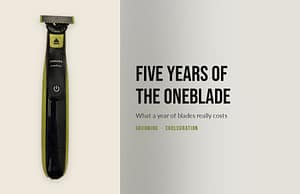
- Philips OneBlade Review UK: 4/5 After Five Years
 Five years with the same Philips OneBlade. One handle, a new blade every four months, and blades that work out at £1.65 a month. Here is what wore out, which blade I stopped buying, and the one design flaw that will eventually kill it. #philipsoneblade #grooming #shaving #ukreviews #coolcuration
 - Best Smart Home Starter Kit UK 2026: Apple, Google or AlexaThree ways into a smart home and one box you replace if you change your mind. Apple, Google and Alexa priced side by side, plus the Matter kit that works with all three.
- Best Refurbished AirPods UK 2026: Where to Buy and What It SavesRefurbished AirPods UK prices at Back Market, Amazon Renewed and Apple, set against the cheapest new price at Argos, AO and Currys.


Comments are closed.