
Last updated: 9 June 2026
By Stiv · Design, technology and personal finance
Quick take: Monzo investment fees were cut in February 2026 from 0.45% to 0.25% a year (or from 0.35% to 0.20% on certain paid plans). If you're a smaller-balance, set-and-forget investor, Monzo just got a lot more competitive. If you're fee-optimising at higher balances, fund costs and fee caps still matter.
This article contains affiliate and referral links, which are paid links. If you click one and buy or sign up, I earn a commission or referral bonus at no extra cost to you. Brands don't choose what I feature or what I say about them.
Capital at risk. The value of investments can go down as well as up and you may get back less than you invested. Past performance is not a reliable indicator of future results. This is not financial advice.
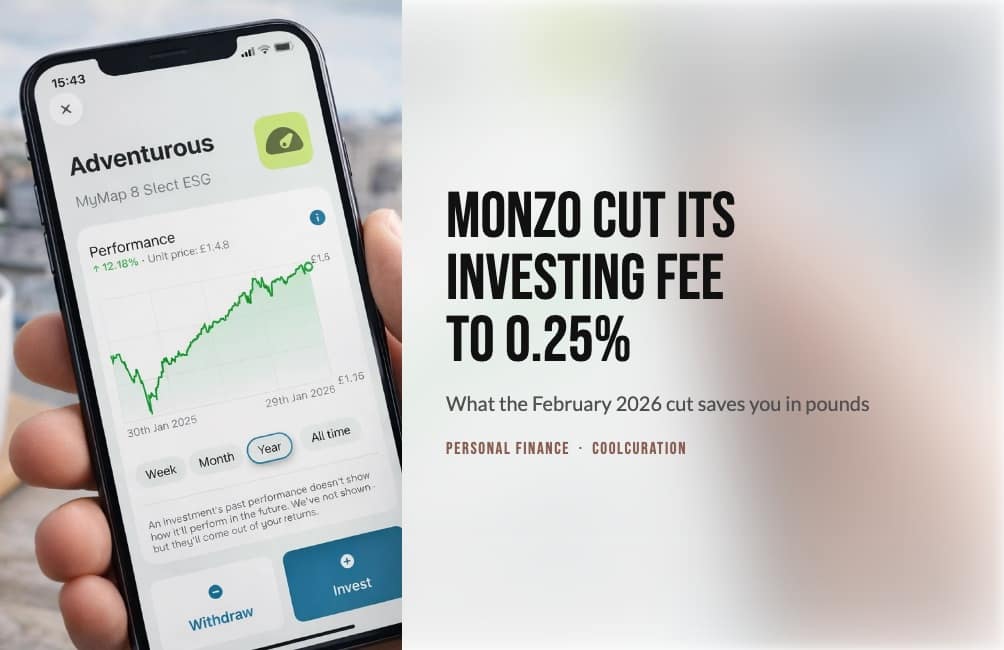
Monzo has made a change that actually matters: the platform fee for Monzo Investments is now 0.25% per year (and 0.20% if you're on eligible paid plans), down from 0.45% (or 0.35% for Plus and Premium customers) before the February 2026 fee cut. Fees accrue daily and get collected monthly from your investment account. That's the "Monzo fee" bit, not the fund manager's own fee (more on that below).
Want the rest of the Monzo investing picture? My Monzo guides hub has the full Monzo Investments review, the paid plans and the savings pots.
If you want the full context first, start here: Monzo Investments review. If you're already set on going ahead, check the Monzo app for any current sign-up offer that may be running.
Not on Monzo yet? You'll need an account first, then you can add Investments. Here's the sign-up route: Monzo sign-up referral.
What exactly changed?
Monzo's current published fees for its Stocks & Shares ISA and Investment Account are set out in the official Monzo fees document (version 2.4, 19 February 2026):
- 0.25% platform fee per year (Monzo's fee), down from the previous 0.45%
- 0.20% platform fee per year if you have certain paid plans, down from the previous 0.35%
- Fees are worked out daily and charged monthly
- Fee cap: £250/year (or £200 on eligible paid plans), compared to the previous cap of £270/£210
- Investments above £100,000 (combined investments and pension) attract no platform fee
- You also pay ongoing fund management fees set by BlackRock (varies by fund, typically 0.07% to 0.65%)
Monzo's own help pages spell out the current platform fee and how it's calculated: Monzo Investments fees, and the public-facing ISA page summarises it too: Monzo Stocks & Shares ISA fees.
Tax treatment depends on the individual circumstances of each client and may be subject to change in future.
Why this fee cut is a big deal (and when it isn't)
Fees don't feel exciting, but they compound. Shaving the platform fee makes Monzo a lot more defensible as a "simple ISA" option, especially if you're investing regularly and want everything in one app.
It's a win if you're in the "I just want to invest monthly" camp
If you're mostly investing small amounts regularly, Monzo's value is the same as it always was: it's dead simple. With lower Monzo investment fees, you're paying less for the convenience of doing it inside your bank app.
It's less exciting if you're focused on the absolute lowest fee stack
The platform fee is only half the story. You still need to look at the ongoing fund charges (the fund's own management fee), plus what you're actually investing in. Monzo makes this easy to check in-app for each fund, which is good, but you should still check it.
Quick maths: what does 0.25% cost you?
Ignore fund fees for a second and just look at the platform fee (Monzo's cut):
- £5,000 invested: about £12.50/year
- £20,000 invested: about £50/year
- £50,000 invested: about £125/year
If you're on a paid plan with 0.20%, those numbers drop again. Not life-changing, but it's the difference between "fine" and "why am I paying that?".
What about the fee cap?
Monzo caps platform fees once your combined Investments and Pension balance passes £100,000. The current cap is £250/year (or £200 for eligible paid plans), which matters more as balances grow. The details can change, so if you're near those numbers, check Monzo's latest terms before you make decisions: Monzo community post on fee caps.
So... is it worth switching to Monzo Investments now?
It can be. Here's the simple decision tree:
- If you're not investing at all: for those not yet investing, the lower fee removes one barrier to getting started, though it's worth comparing total costs before deciding.
- If you already invest elsewhere and hate managing apps: the lower fee strengthens the "one app" argument.
- If your current platform is significantly cheaper: don't switch just because Monzo tweaked a headline number. Compare total fees (platform + funds) and features you actually use.
- If you're building a larger ISA/pension balance: check the current cap rules and whether your platform elsewhere beats Monzo overall.
Capital at risk. The value of investments can go down as well as up and you may get back less than you invested. Past performance is not a reliable indicator of future results. This is not financial advice.
For next steps: read the full Monzo Investments review, or check the Monzo app directly for any current offer if you're ready to open an account.
FAQ
Is 0.25% the total cost?
No. 0.25% is Monzo's platform fee. You'll also pay ongoing fund fees set by BlackRock, which vary by fund (typically 0.07% to 0.65%).
How are Monzo investment fees charged?
Monzo calculates the fee daily, adds it up across the month, and collects it monthly from your Investment Account.
What were the Monzo investment fees before the cut?
Before February 2026, Monzo charged 0.45% per year (or 0.35% for Plus and Premium customers), capped at £270/£210 per year. The fee cut reduced this to 0.25%/0.20%, capped at £250/£200 per year.
Authority signals
- Monzo legal: Investments fees document (version 2.4)
- Monzo help: Investments fees
- Monzo: Stocks & Shares ISA fees overview
- Monzo community: platform fee cap announcement
More useful stuff on CoolCuration
- Monzo Investments review: the deeper "is it actually good?" breakdown.
- Best investment ISA 2026: compare the top ISA picks this tax year.
- Cheapest investment app UK: FX fees compared: see how platforms stack up on the hidden cost most people overlook.
- Monzo sign-up referral: if you need a Monzo account first before you can add Investments.
This article contains affiliate and referral links, which are paid links. If you click one and buy or sign up, I earn a commission or referral bonus at no extra cost to you. Brands don't choose what I feature or what I say about them.
Capital at risk. The value of investments can go down as well as up and you may get back less than you invested. Past performance is not a reliable indicator of future results. Rates, fees and terms can change; always check the latest details at monzo.com before investing. This is not financial advice. CoolCuration is not authorised by the Financial Conduct Authority and does not offer personalised financial guidance.
What's trending




Recent posts
- iPhone Duo Pre-Order UK: Price, Timing and Whether to Bother
 The iPhone Duo pre-order opens at 1pm UK time on 16 October. Every UK price, the case and folio, trade-in values, the eSIM catch and who should skip it.
 - Best Desk Accessories UK 2026: 10 Picks From My DeskLast updated: 5 October 2026. I checked every price in this best desk accessories UK guide at the shop each button points to that day. By Stiv · Design, technology and personal finance Affiliate disclosure: This article contains affiliate and referral links, which are paid links. If you click one and buy or sign up,… Read more: Best Desk Accessories UK 2026: 10 Picks From My Desk
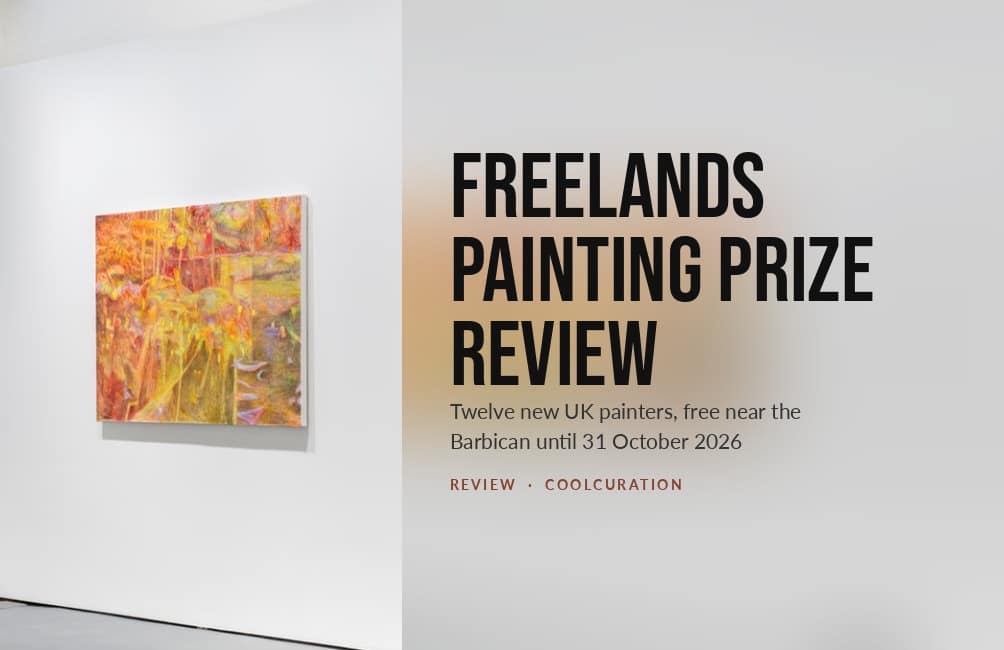
- Freelands Painting Prize 2026 Review: Twelve New Painters, One DisagreementTwelve new UK painters, free near the Barbican until 31 October. We gave the Freelands Painting Prize 2026 a 4/5, and our favourite wasn't the winner.



No Comments.