What is investment risk UK? Learn the types of risk, how to manage them, and where to start investing with confidence. Beginner-friendly guide.


April 8, 2026Comments are off for this post.
What Is Investment Risk? A Beginner’s Guide for 2026

April 1, 2026Comments are off for this post.
Best Mortgage Overpayment Apps UK: Tested and Compared (2026)
Last updated: 13 October 2026
By Stiv · Design, technology and personal finance
I have overpaid my own mortgage since 2021, with Nationwide and now Halifax, and have been testing mortgage overpayment tools throughout, including Sprive alongside manual standing orders and savings apps.
Disclosure: This article contains affiliate and referral links, which are paid links. If you click one and buy or sign up, I earn a commission or referral bonus at no extra cost to you. Brands don't choose what I feature or what I say about them.
Not financial advice. CoolCuration is not authorised by the Financial Conduct Authority. This article is for information only. Your home may be repossessed if you do not keep up repayments on your mortgage.
After the Sprive bonus?
Sprive leads the comparison below, and the sign-up offer it currently runs is covered on our referral page.
Looking for the best mortgage overpayment apps in the UK? Whether you want an app that automates everything, a savings tool that builds your overpayment pot, or a budgeting app that finds spare cash you didn't know you had, there are more options in 2026 than ever. I've tested and compared the main contenders so you can find the right one for how you actually manage money.
Read more
March 31, 2026Comments are off for this post.
Dividend Tax Rise 2026 UK: New Rates, Who Pays More and How to Shelter
Last updated: 9 June 2026
By Stiv · Design, technology and personal finance
CoolCuration is not authorised by the Financial Conduct Authority. This article is for informational purposes only and does not constitute financial or tax advice. Tax rules can change and their effects vary based on individual circumstances. Always do your own research or speak to a qualified tax adviser or accountant before making decisions.
This article contains affiliate and referral links, which are paid links. If you click one and buy or sign up, I earn a commission or referral bonus at no extra cost to you. Brands don't choose what I feature or what I say about them.
Capital at risk. The value of investments can go down as well as up and you may get back less than you invested. Past performance is not a reliable indicator of future results.
From 6 April 2026, UK dividend tax rates are rising by 2 percentage points at the basic and higher rates. If you receive dividends on shares or funds held outside an ISA or pension, your tax bill is going up. Here is what has changed, who is affected, and what you can do about it.
Read more
March 30, 2026Comments are off for this post.
Tax Year End Checklist UK: 7 Things to Do Before 5 April 2026
Last updated: 9 June 2026
By Stiv · Design, technology and personal finance
This checklist covered the 2025/26 tax year, which ended at midnight on 5 April 2026. The deadlines and allowances described below applied to that tax year.
CoolCuration is not authorised by the Financial Conduct Authority. This article is for informational purposes only and does not constitute financial or tax advice. Tax rules can change and their effects vary based on individual circumstances. Always do your own research or consult a qualified financial adviser or accountant before making decisions.
This article contains affiliate and referral links, which are paid links. If you click one and buy or sign up, I earn a commission or referral bonus at no extra cost to you. Brands don't choose what I feature or what I say about them.
Capital at risk. The value of investments can go down as well as up and you may get back less than you invested. Past performance is not a reliable indicator of future results.
The 2025/26 tax year ends at midnight on 5 April 2026. Once it does, several valuable allowances and reliefs disappear for good. Whether you are an investor, a saver, a homeowner, or self-employed, there are practical steps worth ticking off before the deadline. This tax year end checklist covers the seven most important ones.
Read more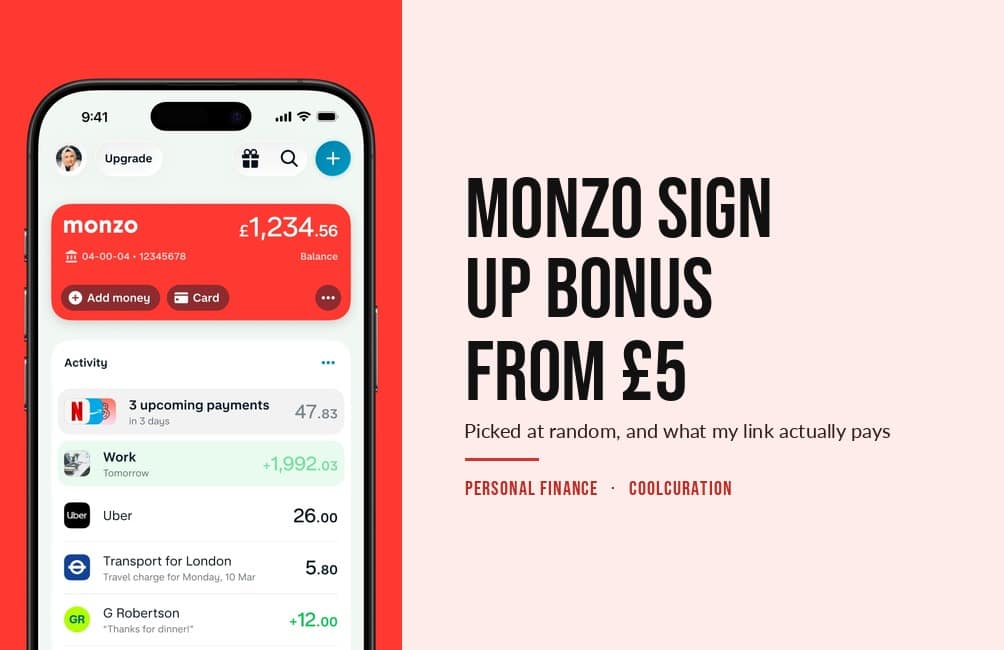
March 28, 2026Comments are off for this post.
Monzo Sign Up Bonus 2026: What My Referral Link Pays
Last updated: 7 September 2026
By Stiv · Design, technology and personal finance
The Monzo sign up bonus pays a random reward from £5, up to £50 (sometimes up to £100). The amount changes with every referral, and Monzo shows the exact amount you could be eligible for on its own invite page when you tap my link. Treat that page as the source of truth, because it is the only place the live figure appears.
This article contains affiliate and referral links, which are paid links. If you click one and buy or sign up, I earn a commission or referral bonus at no extra cost to you. Brands don't choose what I feature or what I say about them. This is not financial advice.
Want the Monzo sign up bonus?
The current offer and the exact steps to claim it are always kept up to date on my referral page.
Joining Monzo and want to know what you are getting? My Monzo guides hub has my four-year review, the paid plans and the savings pots, so you can see past the sign-up reward.
Read more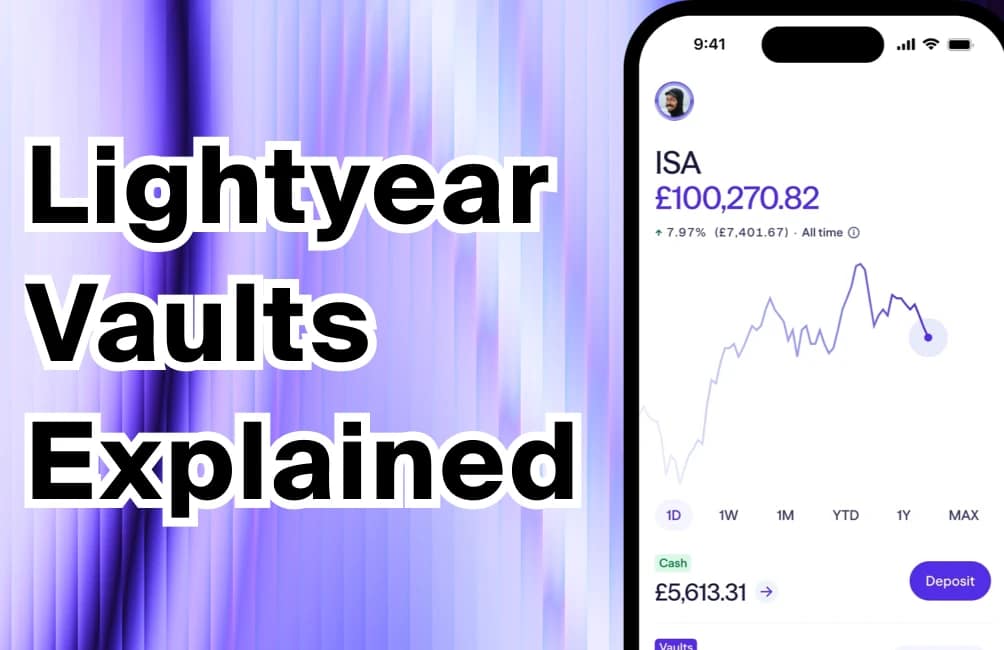
March 27, 2026Comments are off for this post.
Lightyear Vaults explained: rates, risks and how they work (2026)
Last updated: 7 October 2026
By Stiv · Design, technology and personal finance
Not financial advice. This article is for information only and does not constitute financial advice. It also contains affiliate and referral links, which are paid links. If you click one and buy or sign up, I earn a commission or referral bonus at no extra cost to you. Brands don't choose what I feature or what I say about them.
If you have been looking at Lightyear and wondering what Lightyear Vaults actually are, you are not alone. Vaults are one of the platform's standout features, yet the name does not immediately explain what they do. In short, Lightyear Vaults let you earn interest on cash through low-risk money market funds. So, here is a clear guide to how they work, the current rates by currency, the fees, the risks, and how they compare to a savings account.
Capital at risk. The value of investments can go down as well as up and you may get back less than you invested. Past performance is not a reliable indicator of future results.
Read more
March 27, 2026Comments are off for this post.
How to Cut Household Bills in the UK: 7 Realistic Ways to Save
Last updated: 27 August 2026
By Stiv · Design, technology and personal finance
This article contains affiliate and referral links, which are paid links. If you click one and buy or sign up, I earn a commission or referral bonus at no extra cost to you. Brands don't choose what I feature or what I say about them.
The average UK household now spends well over £2,800 a month on bills and living costs. Energy alone accounts for £1,723 a year from October 2026 under the Ofgem price cap, and that is before winter usage climbs. Our energy price cap October 2026 guide has the full breakdown. Council tax is rising again. Broadband providers are quietly adding £3–4 a month to existing contracts. It all adds up fast.
So how do you actually cut household bills in the UK without making your life miserable? This guide covers seven realistic ways to reduce what you pay each month across energy, your mortgage, food shopping, broadband, mobile and more. Every suggestion links to a deeper guide or a tried-and-tested deal on this site, so you can act on each one straight away.
Read more
March 22, 2026Comments are off for this post.
Easiest Mortgage Broker UK: 4 Brokers Compared (2026)
Last updated: 13 October 2026
By Stiv · Design, technology and personal finance
For context: I have overpaid my own mortgage through Sprive since October 2021 and remortgaged from Nationwide to Halifax in June 2026, so the broker notes below sit on hands-on mortgage admin.
This article contains affiliate and referral links, which are paid links. If you click one and buy or sign up, I earn a commission or referral bonus at no extra cost to you. Brands don't choose what I feature or what I say about them.
Want the Better.co.uk voucher offer?
The £100 Amazon voucher offer from Better.co.uk featured below, and the steps to claim it, live on our refer-a-friend page.
Your home may be repossessed if you do not keep up repayments on your mortgage.
CoolCuration is not authorised or regulated by the Financial Conduct Authority and does not provide financial advice. The information below is for general informational purposes only. Always seek advice from an FCA-regulated broker or adviser before making mortgage decisions.
Trying to find the easiest mortgage broker in the UK? I used four different brokers for quotes on the same remortgage and compared them purely on how painless the process was. Spoiler: the rates that came back were almost identical. So if the deals are basically the same, the only thing that really matters is how much of your life gets eaten up by the process. That's even more true right now, as UK mortgage rates have climbed sharply following the Middle East conflict and lenders are repricing fast.
Here's how Habito, Better.co.uk, Sprive and Charles Cameron & Associates stacked up, ranked from smoothest to most old-school.
Read more
March 21, 2026Comments are off for this post.
Monzo vs Chase UK: Which Bank Account Is Better? (2026)
Last updated: 22 August 2026
By Stiv · Design, technology and personal finance
Affiliate disclosure: This article contains affiliate and referral links, which are paid links. If you click one and buy or sign up, I earn a commission or referral bonus at no extra cost to you. Brands don't choose what I feature or what I say about them.
After the bigger sign-up bonus?
Chase's refer-a-friend offer pays £50 when you join and deposit £1,000 within 30 days; our referral page walks you through it.
If you're weighing up Monzo vs Chase in 2026, you're in good company. Both are app-only banks, both are free to open, and both promise to make managing your money less painful. However, once you dig past the slick onboarding screens, the two take noticeably different approaches to savings, cashback and everyday features.
Chase (a trading name of J.P. Morgan Europe Limited) lures new customers with a boosted saver rate and 2% cashback on everyday spending. Monzo, the UK's original fintech darling, counters with powerful budgeting tools, paid plan perks like a free Railcard, and one of the most feature-rich banking apps on the market.
Below, we break down every meaningful difference so you can pick the one that actually fits your life. We also link to both referral offers if you want a bonus for signing up.
Comparing Monzo with more than Chase? I have also put it against Starling and Zopa's Biscuit, and my Monzo guides hub collects every Monzo guide in one place.
Read more
March 19, 2026Comments are off for this post.
TrainPal vs Trainline: Which Train App Saves More? (2026)
Last updated: 24 October 2026
By Stiv · Design, technology and personal finance
This article contains affiliate and referral links, which are paid links. If you click one and buy or sign up, I earn a commission or referral bonus at no extra cost to you. Brands don't choose what I feature or what I say about them.
If you're booking train tickets in the UK, there's a good chance you've used Trainline. It's been around since 1997, and it's the name most people reach for first. But over the past few years, TrainPal vs Trainline has become a genuine debate. That's especially true for anyone who wants no booking fees and automatic split ticketing. So which app actually saves you more money? I've compared the two side by side to help you decide.
Want money off your first TrainPal trip?
TrainPal books UK trains with no booking fees in its app, and my referral page keeps the current new-user offer up to date.
More on TrainPal? My TrainPal guides hub collects my full review, how the membership tiers and PalPoints work, and the current welcome offer.
Read moreFollow us: Instagram
Copyright 2026 CoolCuration | Privacy Policy | Cookie Policy | Affiliate Disclosure | Cool Factor
-----------
We are proud supporters of a safer more private internet via encouraging people to use Brave browser and are actively taking on Spammers as part of ProjectHoneypot. This site is hosted on servers that run on 100% renewable energy in the UK thanks to GreenWebHosting.
This site contains affiliate links, including to Amazon.com and Amazon.co.uk. We may earn a commission if you make a purchase or sign up for a service via these links, at no extra cost to you. All offers and promotions are accurate at the time of publication but are subject to change or withdrawal by the businesses featured. We cannot guarantee their continued availability. Read our full affiliate disclosure.
Reviews and opinions on CoolCuration reflect the personal experience of our writers at the time of publication. They are not professional endorsements and your experience may differ. Scores use our Cool Factor rating system and are given independently of any commercial relationship.
All content on CoolCuration is provided for informational and entertainment purposes only. It does not constitute financial advice, investment recommendations or an endorsement of any product or service. We are not authorised by the Financial Conduct Authority and do not offer personalised financial guidance. You should always do your own research or consult a qualified financial advisor before making any financial decisions.