Everything new on Mobbin this August: Brick makes focus physical, Magnific arrives as the Freepik rebrand, and Railway turns infrastructure into a map.


August 5, 2026Comments are off for this post.
New on Mobbin August 2026: Brick, Magnific, Railway and More

July 20, 2026Comments are off for this post.
That Mortgage App on the Channel 4 Advert? It’s Sprive
Last updated: 13 October 2026
By Stiv · Design, technology and personal finance
I have used Sprive since October 2021, making regular overpayments through the app, first on a Nationwide mortgage and now on a Halifax one.
This article contains affiliate and referral links, which are paid links. If you click one and buy or sign up, I earn a commission or referral bonus at no extra cost to you. Brands don't choose what I feature or what I say about them.
This is not financial advice. It is one homeowner's experience, shared to help you make your own call.
So you spotted the Sprive advert on the telly and wondered what that mortgage app actually is. Here is the short answer: yes, the mortgage app on the Channel 4 advert is Sprive, and it helps you chip away at your mortgage a little faster. Below, I explain what it does, whether it is legit, and what it is like to use.
Your home may be repossessed if you do not keep up repayments on your mortgage.
Want to try the app from the advert?
The current Sprive sign-up offer and how to claim it are kept up to date on our referral page.
Just seen the advert? The app behind it is explained below. For every Sprive guide in one place, see our Sprive guides hub.
Read more
July 3, 2026Comments are off for this post.
New on Mobbin July 2026: Grok, Zip, Marcus and Laravel Cloud
Last updated: 2 July 2026
By Stiv · Design, technology and personal finance
This post contains affiliate or referral links. If you click through and sign up I may earn a commission or referral bonus at no extra cost to you. It does not affect my editorial view.
Mobbin / Design LibraryJuly 2026 Edit
What's new on Mobbin this July
Here is everything new on Mobbin this month, pulled straight from the Latest feeds I keep open like a second inbox. July is a proper mixed bag, too. AI muscles onto the web feed, fintech quietly gets calmer, and the wellness crowd keeps softening every edge in sight.
So grab a coffee, because there is plenty worth stealing. If Mobbin is new to you, start here first with our full Mobbin review, then come back for the picks.
Want a deal on Mobbin Pro?
The current saving on Mobbin's paid plans always lives on our promo code page, kept up to date so you never miss it.
What was new on Mobbin July 2026? The picks are below. For every edition of the series in one place, see our Mobbin new apps hub, updated each month.
Read more
June 30, 2026Comments are off for this post.
Sprive Gift Cards: The Reloadable Card Explained
Sprive gift cards are now reloadable. Here is how the one-card, Apple Wallet and auto top-up setup works, from my own use since 2021.
June 22, 2026Comments are off for this post.
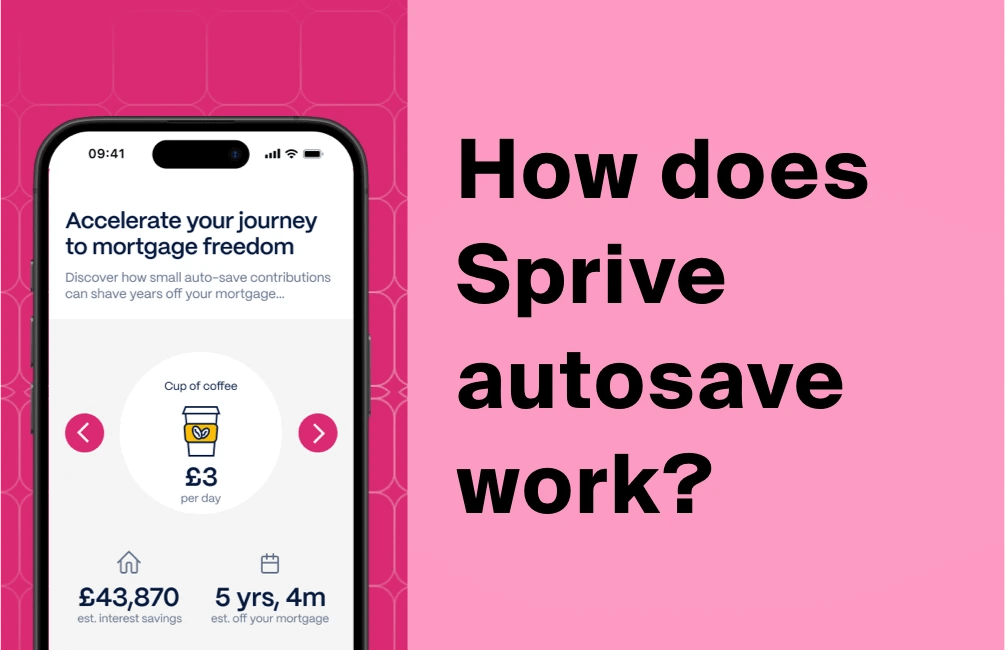
How Does Sprive AutoSave Work?
Sprive AutoSave2026 Guide
How Sprive AutoSave decides what to move each month
Last updated: 13 October 2026
By Stiv · Design, technology and personal finance
I have overpaid my mortgage through Sprive since October 2021, with Nationwide and now Halifax, making regular overpayments through the app. Because of that, this guide to Sprive AutoSave comes from steady real use rather than a quick demo.
This article contains affiliate and referral links, which are paid links. If you click one and buy or sign up, I earn a commission or referral bonus at no extra cost to you. Brands don't choose what I feature or what I say about them.
This is general information, not financial advice. Sprive deals with your mortgage, so your circumstances matter and it is worth doing your own research.
Your home may be repossessed if you do not keep up repayments on your mortgage.
So what actually happens when you switch on Sprive AutoSave? In short, you set an amount, and each month it quietly moves that money into a holding pot inside the app, ready for your mortgage. Above all, you stay in control, because nothing reaches your lender until you tap to send it. Below, I walk through exactly how Sprive AutoSave works, where the money sits, and how to pause or switch it off, with notes from my own use since 2021.
Setting up AutoSave? The walkthrough is below. For every Sprive guide in one place, see our Sprive guides hub, updated as the app changes.
Read more
June 3, 2026Comments are off for this post.
Can AI Turn $1,000 Into $10,000? My AI Stock Picking Experiment
My AI stock picking experiment: can four AI models grow $1,000 into $10,000 on Lightyear? I post honest, not-advice weekly updates.
June 1, 2026Comments are off for this post.
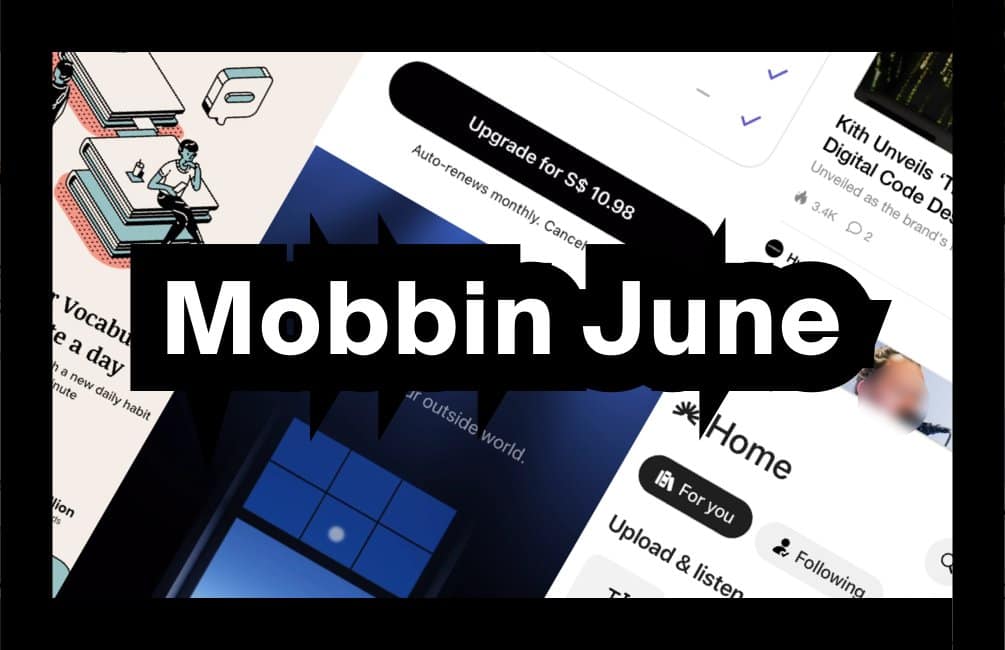
New on Mobbin June 2026: Lumy, Hype and the Liquid Glass Wave
Last updated: 1 June 2026
By Stiv · Design, technology and personal finance
This post contains affiliate or referral links. If you click through and sign up I may earn a commission or referral bonus at no extra cost to you. It does not affect our editorial view.
Tracking Mobbin new apps each month remains one of the quickest ways to see where real product design is actually heading, without trawling the App Store for sport. June's batch is a treat, too. Lumy turns the sunrise into something close to UI poetry, Hype drags fashion culture onto your home screen, and three of the biggest names in tech, ChatGPT, Gemini and Telegram, all turned up wearing the same new outfit.
So grab a coffee, because there is plenty worth stealing this month. If you are new to the platform, start here first: our Mobbin review.
After a Mobbin deal?
The current saving on Mobbin's paid plans always lives on our promo code page.
What was new on Mobbin June 2026? The picks are below. For every edition of the series in one place, see our Mobbin new apps hub, updated each month.
Read more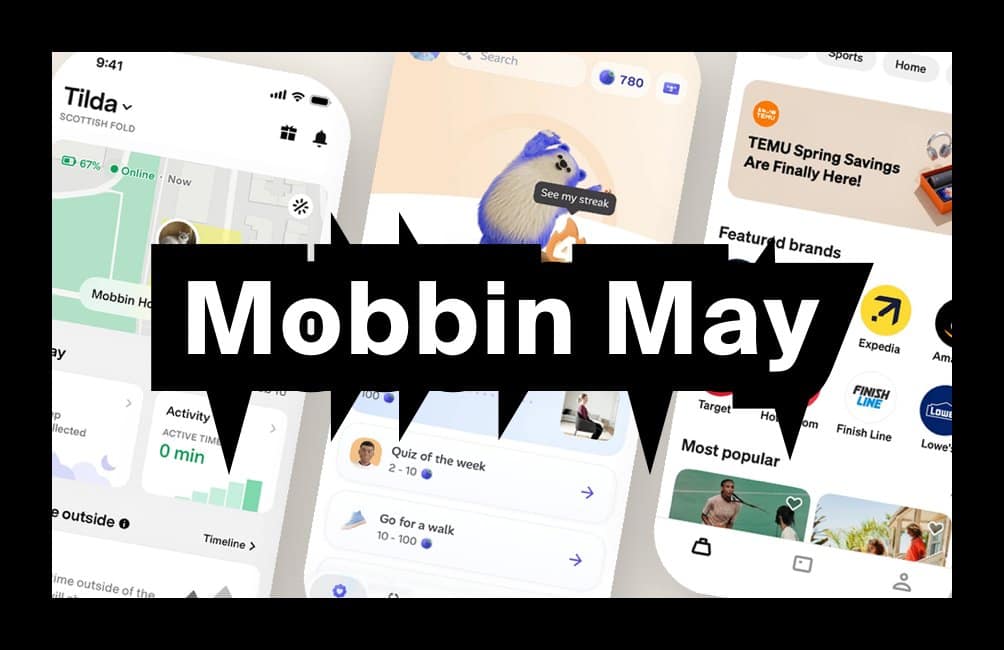
May 10, 2026Comments are off for this post.
New on Mobbin May 2026: Fi, Alan and the Afterpay Refresh
Last updated: 10 May 2026
By Stiv · Design, technology and personal finance
Tracking Mobbin new apps each month is one of the fastest ways to spot where real product UX is heading without scrolling app stores for sport. May's batch is a proper mix: pet-tech, regulated healthcare with a fluffy mascot, and a high-profile fintech rebrand. In other words, three completely different categories, all worth opening side by side.
If you are new to the platform, start here first: Mobbin review: is it worth it? If you already know you want it and just want the cheaper route, head straight to our Mobbin promo code page.
What was new on Mobbin May 2026? The picks are below. For every edition of the series in one place, see our Mobbin new apps hub, updated each month.
Read more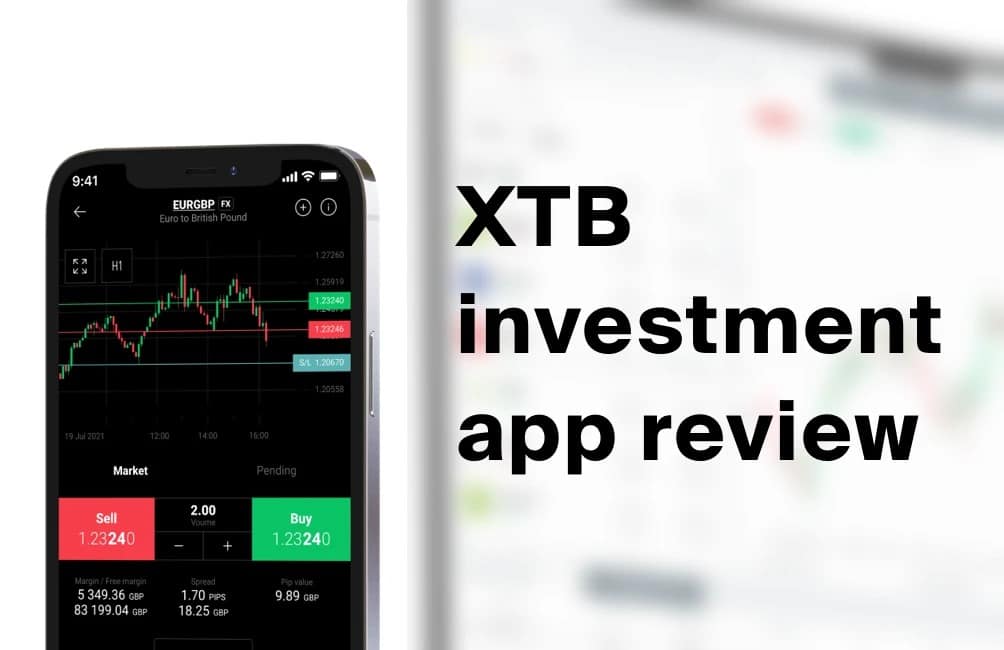
May 9, 2026Comments are off for this post.
XTB App Review UK 2026: One Star Opinion (1/5)
Last updated: 10 June 2026
By Stiv · Design, technology and personal finance
I have used investing apps for over a decade, including Freetrade, Lightyear, Trading 212, Interactive Brokers and JPMorgan Personal Investing. This XTB app review is based on real, recent first-hand use on iPhone over the past few weeks.
This is an opinion piece. Views expressed are my own personal experience and observations. Other XTB customers have reported very different experiences, both better and worse, and you can read those views directly on the App Store, Google Play and Trustpilot. Nothing in this review constitutes professional, financial or legal advice, nor an allegation of wrongdoing by XTB. Capital is at risk when investing.
This article contains affiliate and referral links, which are paid links. If you click one and buy or sign up, I earn a commission or referral bonus at no extra cost to you. Brands don't choose what I feature or what I say about them. This post does not contain any XTB referral links; where alternative brokers are mentioned, those links may include CoolCuration referral codes. We have no referral relationship with XTB and do not benefit financially from XTB itself.
Capital at risk. The value of investments can go down as well as up and you may get back less than you invested. Past performance is not a reliable indicator of future results.
Cool Factor: 1/5
Welcome to our XTB app review. After spending the last few weeks battling with the broker's iOS app, surviving a verification process worthy of a Kafka novella, and being chased around the screen by stock notifications I never asked for, I have reached a personal verdict. It is not flattering. So if you have seen the ads and the free share offers, this XTB app review explains exactly what you would be signing up for, in my experience.
Read more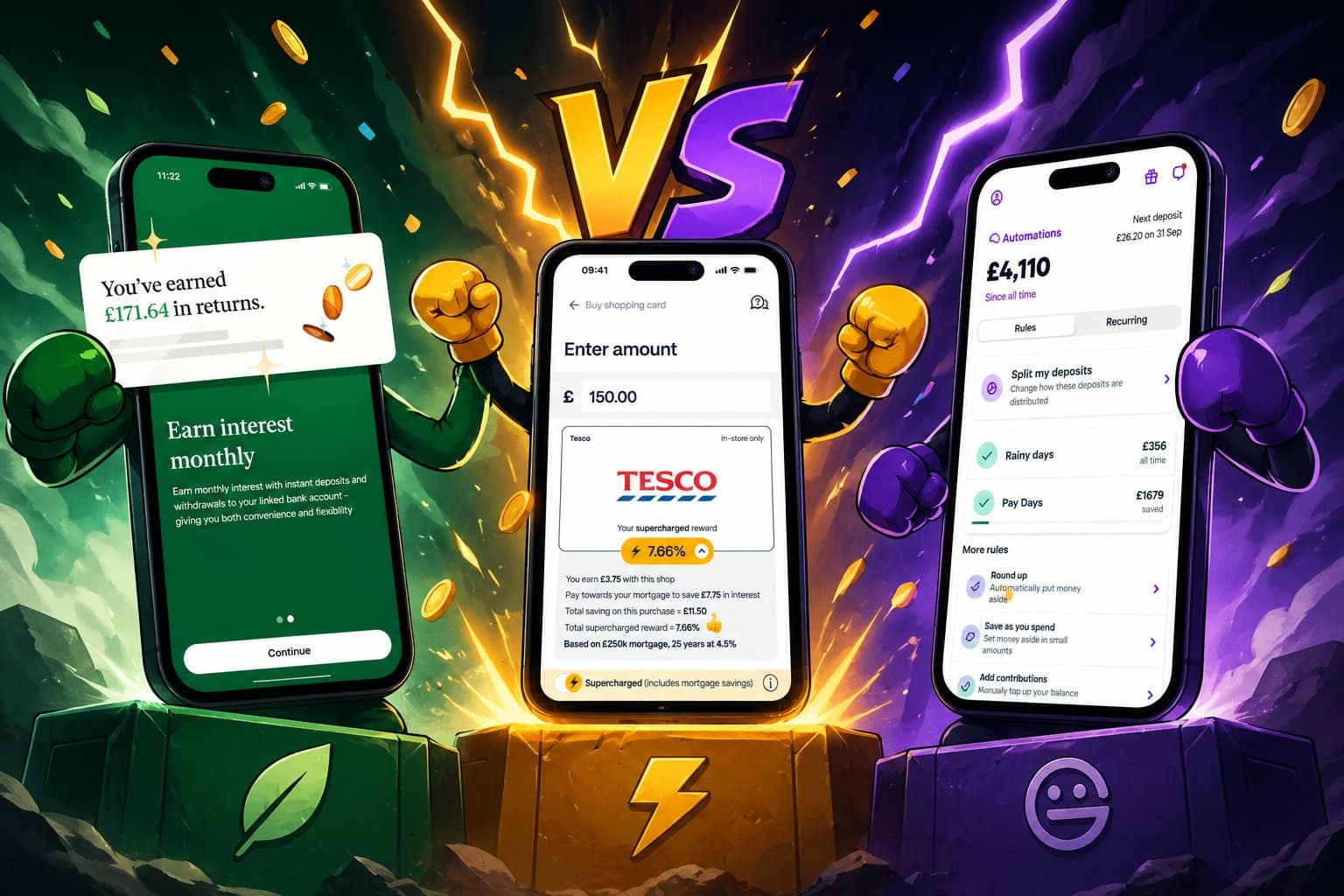
April 29, 2026Comments are off for this post.
Sprive vs Plum vs Chip: Honest Comparison (2026)
Last updated: 13 October 2026
By Stiv · Design, technology and personal finance
I've used Sprive since October 2021, making monthly overpayments on my mortgage through the app. This comparison is based on that real use alongside Chip and Plum.
Sprive vs Plum vs Chip is the question that keeps coming up whenever anyone in the UK talks about saving money automatically. All three apps promise to do the hard bit for you. But they are not the same thing, and picking the wrong one means you are either missing features you need or paying for ones you do not. Here is how they actually compare after months of using all three.
Between the team, we run all three. Sprive handles mortgage overpayments. Chip is our primary auto-saver. Plum runs alongside Chip so we can see how the two compare in real life. Each has earned its place on someone's home screen, but for very different reasons.
This article is for informational purposes only and does not constitute financial advice. Some apps in this comparison offer investing features, which carry risk including the possible loss of capital. Your home may be repossessed if you do not keep up repayments on your mortgage. CoolCuration is not authorised by the Financial Conduct Authority. This article contains affiliate and referral links, which are paid links. If you click one and buy or sign up, I earn a commission or referral bonus at no extra cost to you. Brands don't choose what I feature or what I say about them.
Sprive's current sign-up offer
If Sprive ends up being your pick of the three, the latest welcome bonus is always on our referral page.
Comparing money apps? The three-way verdict is below. For everything we have written on Sprive in one place, see our Sprive guides hub.
Read moreFollow us: Instagram
Copyright 2026 CoolCuration | Privacy Policy | Cookie Policy | Affiliate Disclosure | Cool Factor
-----------
We are proud supporters of a safer more private internet via encouraging people to use Brave browser and are actively taking on Spammers as part of ProjectHoneypot. This site is hosted on servers that run on 100% renewable energy in the UK thanks to GreenWebHosting.
This site contains affiliate links, including to Amazon.com and Amazon.co.uk. We may earn a commission if you make a purchase or sign up for a service via these links, at no extra cost to you. All offers and promotions are accurate at the time of publication but are subject to change or withdrawal by the businesses featured. We cannot guarantee their continued availability. Read our full affiliate disclosure.
Reviews and opinions on CoolCuration reflect the personal experience of our writers at the time of publication. They are not professional endorsements and your experience may differ. Scores use our Cool Factor rating system and are given independently of any commercial relationship.
All content on CoolCuration is provided for informational and entertainment purposes only. It does not constitute financial advice, investment recommendations or an endorsement of any product or service. We are not authorised by the Financial Conduct Authority and do not offer personalised financial guidance. You should always do your own research or consult a qualified financial advisor before making any financial decisions.