
How to start eating vegan (UK): the simple, realistic way
Last updated: 7 February 2026
Want to start eating vegan in the UK without turning your kitchen into a science lab? This guide gives you a beginner plan, a starter shopping list, easy meal ideas, and the few nutrition basics worth getting right.
Start eating vegan without going full chaos
The easiest way to start eating vegan is not “change everything overnight”. It is swapping a few default meals, learning a handful of go-to ingredients, and building momentum. You do not need a new identity. You need a plan that survives a busy Tuesday.
Step 1: Pick your starter approach
Choose one of these and stick to it for two weeks. Consistency beats perfection.
- Vegan breakfasts + lunches first: easiest because they are repetitive by nature.
- Two vegan dinners a week: good if dinner is where you struggle most.
- Vegan Monday to Friday: structured, then flexible at the weekend.
Step 2: Master the “3 building blocks”
Most satisfying vegan meals have three things: a protein, a carb, and something that makes it taste like you actually wanted to eat it.
- Protein: tofu, tempeh, lentils, chickpeas, beans, edamame, vegan mince, seitan (if you like it).
- Carb: rice, noodles, pasta, potatoes, wraps, couscous, bread.
- Flavour: curry paste, tahini, soy sauce, miso, peanut butter, chilli oil, garlic, smoked paprika, nutritional yeast.
Beginner vegan shopping list (UK)
This list keeps things simple and flexible. If you buy these, you can build loads of meals without constantly topping up.
Staples
- Rice, pasta, noodles, wraps
- Tinned tomatoes, coconut milk
- Tinned chickpeas, lentils, beans
- Stock cubes (check they are vegan)
Protein
- Tofu (firm is easiest to start with)
- Frozen edamame or mixed beans
- Vegan mince or burgers (useful when you want “normal dinner” energy)
Flavour and sauce
- Soy sauce, miso paste, curry paste
- Peanut butter, tahini
- Smoked paprika, cumin, chilli flakes
- Nutritional yeast (optional, but handy)
Fresh basics
- Onions, garlic, ginger
- Lemons or limes
- Spinach or kale (fresh or frozen)
- Whatever veg you will actually eat (do not buy aspirational veg)
Easy vegan meals to start with (no fancy skills required)
- Chickpea curry: chickpeas + tinned tomatoes + curry paste + coconut milk.
- Tofu stir fry: tofu + frozen veg + soy sauce + noodles or rice.
- Lentil bolognese: lentils + tinned tomatoes + garlic + pasta.
- Bean chilli: mixed beans + tomatoes + cumin + rice.
- Hummus wrap: hummus + salad + pickles + hot sauce.
The nutrition bits worth paying attention to
Vegan can be brilliantly healthy, but you do want to cover a few basics. These are the common “new vegan” gaps.
Vitamin B12
B12 is the big one. Many people use a supplement or rely on fortified foods. For UK guidance, start with the NHS overview and the Vegan Society’s B12 advice.
Protein
Protein is usually fine if you include beans, lentils, tofu, tempeh, and some higher-protein meals across the week. If you are new to vegan eating, aim to include a clear protein source in your main meals.
Iron, calcium, iodine, omega-3
These are the usual “worth checking” nutrients. Fortified plant milks can help with calcium, seaweed can be a source of iodine (but do not overdo it), and omega-3 can come from chia, flax, walnuts, or algae-based supplements.
This page is general info, not medical advice. If you have a health condition, are pregnant, or are feeding kids on a vegan diet, it is worth speaking to a qualified professional.
How to make vegan eating stick (this is the secret bit)
- Repeat your wins: once you find 5 meals you like, rotate them.
- Keep “emergency food”: freezer staples stop you ordering takeaway when you are tired.
- Make it easy: make the default vegan, not the exception.
The easiest way to start (if you hate meal planning)
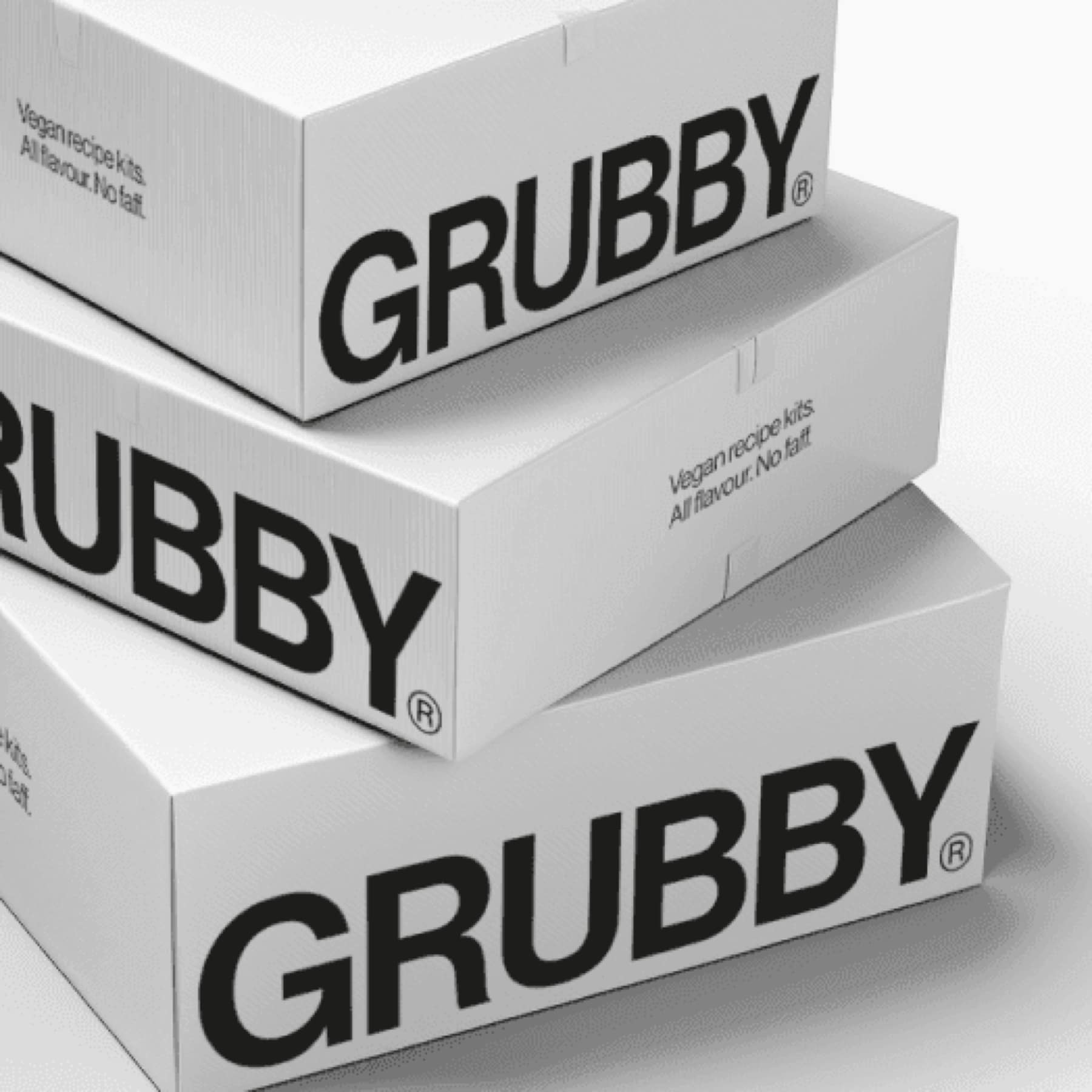
If your main blocker is the weekly admin, a vegan meal kit can be a simple bridge: you learn new meals, you do not buy random one-off ingredients, and dinner decisions are handled.
- Not sure it is worth it? Read: is Grubby worth it
- Ready to try it with the current offer? Start here: Grubby discount code
- Want the full deep dive? Read: Grubby review UK
FAQs
Do I need to go vegan overnight?
No. If you start eating vegan for a few meals a week and build from there, you are much more likely to stick to it.
Will I be hungry?
Not if you build meals properly. Aim for a protein source (beans, lentils, tofu), a carb (rice, pasta, potatoes), and enough fat/flavour to make it satisfying.
What is the easiest vegan swap?
Start with breakfasts and lunches. They are usually the most repetitive meals, so swaps are easy to maintain.
Is vegan eating expensive in the UK?
It can be cheap if you lean on beans, lentils, rice, pasta, and seasonal veg. It can be expensive if you lean heavily on branded substitutes. A balance usually works best.
Random links you will probably find useful
-
Service Guides Hub
The master list of shortcuts and referral guides, when you want to save money without the faff. -
Best vegan meal kits UK
A quick comparison if you are deciding between Grubby and other options. -
Is Grubby worth it?
Cost vs convenience breakdown, so you can decide without guesswork. -
Grubby discount code
The current offer, referral link, and fixes if checkout tracking is being weird. -
Octopus Energy referral guide
If you like simple wins, this one can save money with minimal admin. -
Lightyear referral bonus guide
A clean, step-by-step bonus guide if you want to start investing without making it your personality.


































Follow us: Instagram
Copyright 2026 CoolCuration | Privacy Policy | Cookie Policy | Affiliate Disclosure | Cool Factor
-----------
We are proud supporters of a safer more private internet via encouraging people to use Brave browser and are actively taking on Spammers as part of ProjectHoneypot. This site is hosted on servers that run on 100% renewable energy in the UK thanks to GreenWebHosting.
This site contains affiliate links, including to Amazon.com and Amazon.co.uk. We may earn a commission if you make a purchase or sign up for a service via these links, at no extra cost to you. All offers and promotions are accurate at the time of publication but are subject to change or withdrawal by the businesses featured. We cannot guarantee their continued availability. Read our full affiliate disclosure.
Reviews and opinions on CoolCuration reflect the personal experience of our writers at the time of publication. They are not professional endorsements and your experience may differ. Scores use our Cool Factor rating system and are given independently of any commercial relationship.
All content on CoolCuration is provided for informational and entertainment purposes only. It does not constitute financial advice, investment recommendations or an endorsement of any product or service. We are not authorised by the Financial Conduct Authority and do not offer personalised financial guidance. You should always do your own research or consult a qualified financial advisor before making any financial decisions.