
Energy switching offers UK: what’s actually worth it in 2026 (not just the headline bonus)
Last updated: 12 February 2026
Searching for energy switching offers in the UK? This guide explains the main offer types (referrals, voucher schemes, cheap electricity windows, and tariff-led savings), plus the quick checks that stop you switching into a worse deal. If you’re specifically looking for the live Octopus referral link and the current rules, we keep that on one page here: Octopus referral guide.
The truth about “switching offers”: most of the value is in the tariff
A switching offer is usually a sweetener, not the main saving. The biggest wins typically come from your actual unit rate and standing charge over 12 months, not a one-off credit that looks good in a search snippet.
A quick way to sanity-check an offer is to compare the annual cost of the tariff you’d actually be on. If the “deal tariff” costs more per month, the bonus gets eaten quickly.
What counts as an energy switching offer in 2026?
UK suppliers compete using a handful of recurring offer types. You’ll usually see one (or a combo) of the below:
- Referral rewards (account credit or vouchers triggered after a successful switch and billing set-up).
- Fixed deal promos (a discounted rate or a limited campaign on a specific tariff).
- Usage-based programmes (cheap electricity windows if you shift consumption).
- EV-led pricing (time-of-use tariffs designed around overnight charging).
- Bundle value (home services, boiler cover, or add-ons that reduce other costs).
If you’re only chasing a “bonus”, referral rewards and voucher schemes are the most visible. If you want real savings, usage-based programmes and EV tariffs can outperform a one-off credit.
The 4 checks that prevent a bad switch
- Annual cost based on your usage (not a generic “typical household”).
- Standing charge (this is where “cheap” tariffs quietly sting).
- Exit fees and contract length (especially if you might move or switch again).
- Reward trigger (many offers only apply after you are on supply and Direct Debit is live).
If an offer looks amazing but the tariff is mediocre, it usually is not amazing.
Common switching offers you’ll see in the UK
Referral credit (bill credit)
This is the most straightforward “reward style” for many households because it reduces what you owe. The important detail is timing: credit is usually applied after the switch completes and billing is set up.
We keep all Octopus referral specifics (including the live sign-up link and eligibility notes) on one page to avoid outdated info spreading across multiple articles: Octopus referral guide.
Voucher-based referral schemes
Vouchers can be great if you would spend them anyway, but they are less flexible than credit off your bill. Check restrictions and payout timing before you switch based on a voucher headline.
Cheap electricity windows (PeakSave-style programmes)
These can beat a one-off bonus if your routine fits. If you can stack high-use activities into the discounted window, it can add up across the year.
Fixed tariff promotions
These are the most variable and the easiest to misread. Always compare the annual cost versus a plain alternative tariff. If the fix is more expensive, the promo often just hides that fact.
How long does switching take?
The switching process itself is designed to be quick, and your supply stays on throughout. The bit that can feel slow is the admin tail: final meter reads, Direct Debit alignment, and the first bill.
If you want the full step-by-step of what happens after you sign up (emails, timings, what to screenshot), use our walkthrough: Octopus Energy switch process.
How to claim an offer without messing it up
- Start from the correct route. If it’s a referral reward, begin via the referral flow, not a random comparison journey.
- Use one email address the whole way through.
- Set up Direct Debit and keep it live until the reward triggers.
- Screenshot the offer terms on the day you join.
- Take a meter reading on switch day (even if you have a smart meter).
Which “energy switching offer” is best for most people?
For most households, the best offer is the one that sits on top of a tariff that is already good value for your usage. A one-off bonus is a nice extra, but it should never be the reason you accept worse pricing.
If you’re set on Octopus and you want the referral credit, keep referral details consolidated here: Octopus referral guide.
More useful guides on CoolCuration
- Service Guides Hub – the best “how it works” guides and sign-up wins in one place.
- Octopus Energy switch process – what happens after you sign up, step by step.
- Monzo referral & cashback tricks – easy wins if you like optimising boring money stuff.
- Lightyear referral bonus guide – a quick guide to the bonus and the gotchas.
- Chip promo codes & savings hacks – useful if you want savings that run quietly in the background.
Claude Cowork Free Week: Get a Free Invite (UK)
Service

Free Mortgage Overpayment Calculator UK - See Your Savings
Service
Rover Pet Sitting UK: £15 Off Your First Booking
Service

Chase Refer a Friend Code: Get £50 When You Pay In £1,000
App
Quidco Referral Code: Get £20 Free Cashback Bonus (UK)
Service



Trading 212 investment app: free share up to €100 (UK)
App



GAIL’s promo code: free coffee or loaf with the app
Gift
Affinity by Canva – The Free All-in-One Design App That Rivals Adobe
App


Who Gives a Crap – Get 15% Off Eco Toilet Paper
Gift


ManyPets Discount Code 2025 - Up To £40 Amazon Voucher
Service

TopCashback Referral Code – Get £10 Free Bonus
Service
JamDoughnut Cashback App: Up to £8 sign up reward
Service



Sprive Mortgage Saving App - Money Off Your Mortgage
Service
Simplyhealth Health Plans - From £20 - £10 voucher
Service

Scrumbles Cat Food Discount Referral Code – Get 33% or 40% Off
Service

Chip Savings App UK: How It Works, Rates and Fees
App
Greatest Books of All Time - A CoolCurated List
Service

Hometree Home Cover UK: Boiler Cover + £50 Voucher
Service

Giffgaff Referral Code UK – Get £5 – £10 Free Credit
Service

American Express Referral: Sign Up for Any Card and Get Rewarded
App

Buy Me Once Discount Referral Code – Get £10 Off Your First Order!
Gift

TaxFix Discount Code UK – Save 35% on Tax Services
Service
Onestream Broadband Referral Code – Get £20 Off Your First Bill
Service


Robinhood Free Shares UK: Claim a Free Stock ($7 to $175)
App
Waggel Pet Insurance UK: Get Your First Month Free
Service








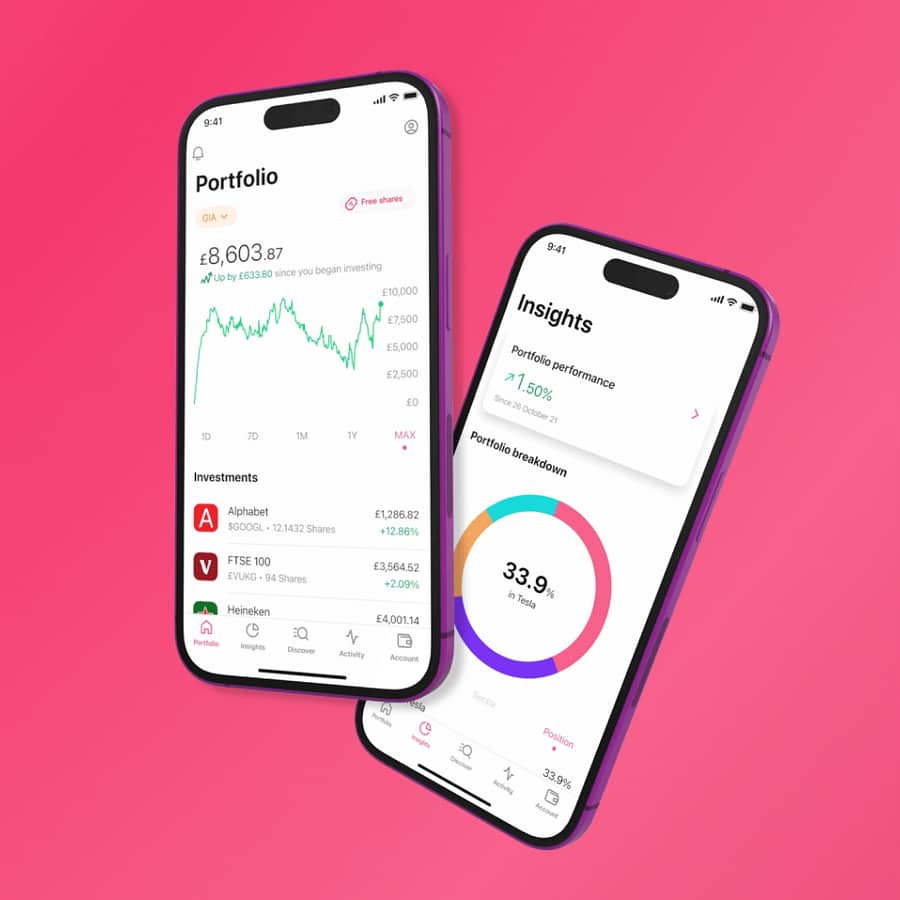
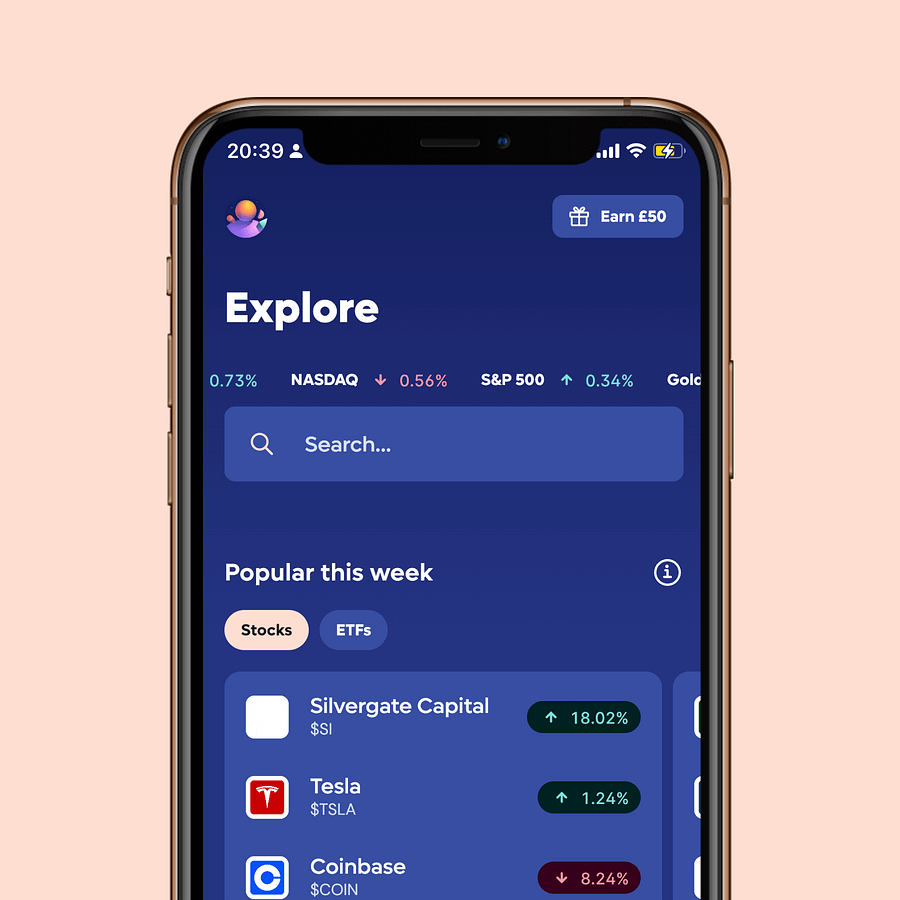
Freetrade - Start trading today with a free share
App




Conversion.ai - Artificial intelligence smart copywriter
Service

Tiiny Host: Easy File Sharing & Website Hosting Simplified
Service
Phox Water - eco freindly water filters - from £25
Gift

Franco Manca App Promo Code: Get a Free Bonus Stamp
Gift

Buy Me a Coffee - support for independent creators
Service
Huel UK: Complete Nutrition Meals, Shakes and Snacks
Service



Follow us: Instagram
Copyright 2026 CoolCuration | Privacy Policy | Cookie Policy | Affiliate Disclosure | Cool Factor
-----------
We are proud supporters of a safer more private internet via encouraging people to use Brave browser and are actively taking on Spammers as part of ProjectHoneypot. This site is hosted on servers that run on 100% renewable energy in the UK thanks to GreenWebHosting.
This site contains affiliate links, including to Amazon.com and Amazon.co.uk. We may earn a commission if you make a purchase or sign up for a service via these links, at no extra cost to you. All offers and promotions are accurate at the time of publication but are subject to change or withdrawal by the businesses featured. We cannot guarantee their continued availability. Read our full affiliate disclosure.
Reviews and opinions on CoolCuration reflect the personal experience of our writers at the time of publication. They are not professional endorsements and your experience may differ. Scores use our Cool Factor rating system and are given independently of any commercial relationship.
All content on CoolCuration is provided for informational and entertainment purposes only. It does not constitute financial advice, investment recommendations or an endorsement of any product or service. We are not authorised by the Financial Conduct Authority and do not offer personalised financial guidance. You should always do your own research or consult a qualified financial advisor before making any financial decisions.